Amidst escalating conflict in Iran, fears of an unprecedented energy supply crisis loom, which will inevitably impact every segment of the global economy sooner or later.
However, it is clear that some countries are more vulnerable to this impact or less equipped to deal with it. Here are the economies to watch closely.
THE G7 POWERHOUSES
The focus first turns to Europe. A new energy shock in the region brings back painful memories of Russia’s invasion of Ukraine four years ago. This event highlighted Europe’s dependence on imports and drove inflation to double-digit highs.
GERMANY – With a heavily industrialized economy, Germany stands to lose more from an energy surge. Its manufacturing sector has just stopped contracting for the first time since 2022. As an exporter, Germany is also exposed to any global slowdown.
The extensive stimulus program announced by Berlin last year will help cushion some of the impact, but increased support is limited by projected budget deficits in the coming years.
ITALY – Also home to a significant manufacturing sector, Italy has one of the highest shares of oil and gas in its primary energy consumption in Europe.
UNITED KINGDOM – Its electricity production relies more on gas power plants compared to other major European economies. Gas prices almost always dictate electricity prices in the UK, advancing more rapidly than oil prices since the start of the conflict.
Capping energy prices will limit the initial inflation impact. The risk is that this could lead to interest rate hikes, leaving the UK with the highest borrowing costs among the G7 for an extended period, amidst rising unemployment. Budgetary tensions and pressure on the bond market limit options to support businesses and households.
JAPAN – Also on the front lines, the archipelago gets about 95% of its oil from the Middle East, with nearly 90% passing through the Strait of Hormuz.
This situation adds to inflationary pressures exacerbated by the weak yen, affecting food and essential goods prices given Japan’s heavy reliance on raw material imports.
EMERGING MARKET HEAVYWEIGHTS
The Gulf region is inevitably feeling a direct economic backlash. Some analysts anticipate an economic contraction in the region this year, overturning pre-war growth prospects.
The surge in oil and gas prices offers no relief if the effective closure of the Strait of Hormuz prevents countries – notably Kuwait, Qatar, and Bahrain – from shipping their hydrocarbons to international markets.
The conflict could also affect remittances from expatriate workers to their families, injecting tens of billions of dollars annually into local economies.
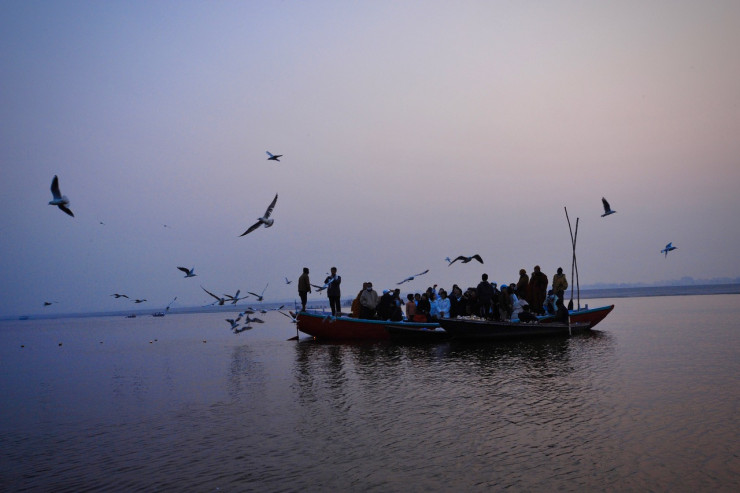
INDIA is another heavyweight exposed. It imports about 90% of its crude oil and nearly half of its liquefied petroleum gas (LPG). Approximately half of this oil and an even larger portion of its LPG must transit through the Strait of Hormuz.
Economists are revising down the country’s growth forecasts, and the rupee has hit a historic low. In Indian restaurants and homes, hot dishes and drinks – even samosas, dosas, and tea – are disappearing from menus as skyrocketing gas prices lead to informal rationing.
TURKEY – Sharing a border with Iran, it braces for a potential influx of refugees and increased geopolitical uncertainty. The major economic impact, however, has been felt at the central bank level.
It relives the nightmare of past inflation crises. The central bank was forced to pause its rate-cut cycle for the second time in a year and sold up to $23 billion of its precious reserves to support its currency.
VULNERABLE ECONOMIES
Finally, there are a handful of countries that appear particularly vulnerable, having recently experienced or teetered on the brink of major economic crises.
SRI LANKA has declared Wednesday a public holiday for government employees to curb energy costs. Schools, universities, and public institutions are closed, non-essential public transportation is suspended, and drivers must now register to obtain a “National Fuel Pass” limiting fuel purchases.
PAKISTAN, on the verge of collapse two years ago, has raised gasoline prices and closed schools for two weeks. Government agencies see their fuel allowances halved, are prohibited from buying new air conditioners or furniture, and have been ordered to immobilize part of their vehicle fleet.
EGYPT – In addition to soaring fuel and staple food costs, the country faces the prospect of a sharp drop in Suez Canal and tourism revenues, the latter bringing in nearly $20 billion last year. Servicing its debt, largely denominated in US dollars, has become even more challenging following a more than 9% drop in its currency since the conflict began.