
Top Economic News Highlights of the Day
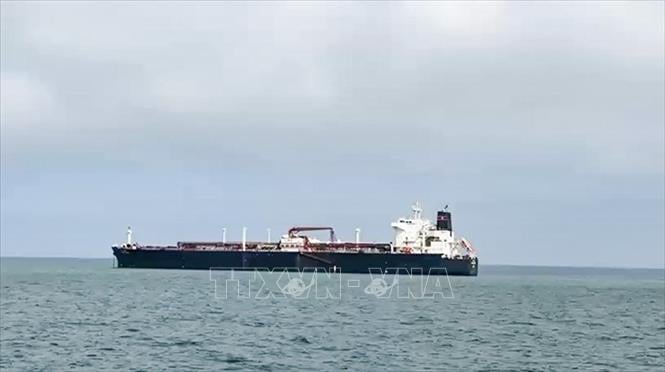
1. The Strait of Hormuz Shows Positive Signals After Ceasefire: Following the announcement of a two-week ceasefire agreement with Iran by the United States, the Strait of Hormuz has seen encouraging signs: two commercial vessels, the NJ Earth and the Daytona Beach, were able to pass through it smoothly on the morning of April 8. According to Kpler data, maritime traffic in this strategic chokepoint, which accounts for 20% of global energy supplies, has decreased by 95% since the conflict began on February 28, leaving approximately 800 vessels immobilized. Despite intensified security efforts, experts recommend shipping companies carefully evaluate risks before fully restoring traffic in this strategic waterway.
2. FTSE Russell Maintains its Vietnam Stock Market Reclassification Plan: The FTSE Russell Index Board has confirmed the continuation of its plan to reclassify the Vietnamese stock market as a secondary emerging market on September 21, 2026. The organization plans to publish the list of eligible stocks on August 21, 2026. The integration of Vietnamese stocks into the global index basket will be done in multiple phases from September 2026 to the end of 2027 to ensure a smooth transition and adaptation to market conditions.
3. Economic Challenges for American Workers Amid AI Wave: A report by Goldman Sachs warns that artificial intelligence (AI) could increase unemployment rates in the United States by 0.5 percentage points and lead to the loss of jobs for approximately 6 to 7% of workers over the next decade. To mitigate the risk of a net reduction of about 16,000 jobs per month, experts emphasize the urgent need to implement professional retraining programs to preserve workers’ incomes.

4. Global Automotive Industry Faces Competition and Economic Instability Pressure: The global automotive market is under significant pressure due to the rise of Chinese electric vehicles and geopolitical upheavals, resulting in a substantial drop in sales for many major manufacturers. While BYD recorded its seventh consecutive month of declining sales in its domestic market, Tesla also faces high inventory levels and its weakest first-quarter results since 2026. Economic instability, combined with rising energy costs and interest rates in important markets like the United States and the United Kingdom, is slowing consumption, forcing manufacturers to adapt to an increasingly competitive environment.

5. Geopolitical Tensions Become Top Risk for Central Banks: A survey conducted by Central Banking Publications among nearly 100 central banks reveals that 70% now consider geopolitical tensions as the main global risk, surpassing concerns related to protectionist policies. While 80% of reserve managers still view the US dollar as a safe haven, this position is being questioned as the greenback has lost 12% of its value and confidence in American bonds has decreased. In this context, gold remains the optimal choice: nearly 75% of central banks hold it, and around 40% are considering increasing their reserves to deal with unpredictable fluctuations.
6. IATA: Aviation Fuel Prices Not Expected to Immediately Decline Despite Strait of Hormuz Reopening: The International Air Transport Association (IATA) estimates that restoring energy supplies will take months to stabilize due to disruptions in oil refining capacities in the Middle East, a region that supplies one-fifth of the world’s traded oil. Faced with soaring fuel prices, airlines like AirAsia X have had to raise their fares by up to 40%, while United Airlines has reduced its capacity by 5% to cope with short-term supply risks.
Source: Vietnam News Agency




/2024/10/03/whatsapp-image-2024-10-03-at-13-19-59-66fe82436d7bf843698726.jpeg "Ceasefire Covers All Fronts of the War, as Announced")


