American Job Market Stable Amid Concerns Over Middle East Conflict
1. The American job market remains stable: The number of new jobless claims in the United States decreased this week, amidst ongoing low layoffs, raising expectations for a stable labor market in March 2026. However, economists warn of potential deterioration due to a prolonged conflict in the Middle East. According to the U.S. Department of Labor, initial jobless claims fell by 9,000 to reach 202,000 (seasonally adjusted data) for the week ending March 28. This figure is lower than the 212,000 forecasts made by economists in a previous survey.

2. IMF, World Bank, and IEA Cooperate to Address Economic Challenges Linked to Middle East Conflict: The International Monetary Fund (IMF), World Bank, and International Energy Agency (IEA) released a statement committing to close cooperation to tackle the serious economic consequences of the conflict in the Middle East. In a joint statement published on April 1, leaders of the three major international organizations affirmed their commitment to sharing data, aligning recommendations, and mobilizing necessary resources to support the hardest-hit countries. They highlighted the global impact of the conflict, affecting energy importers and low-income countries the most.
3. Experts Predict Sharp Rise in Global Rice Prices: Concerns over conflicts involving Iran raise worries about a possible surge in global rice prices in the near future. Disruptions in fertilizer supply and escalating energy costs directly impact production in many Asian countries. The risk of a global rice price increase in the coming months is seen as “very worrying” due to disruptions in the Strait of Hormuz, a strategic route for oil, liquefied natural gas (LNG), and fertilizer exports from the Middle East.

4. American Plastic Bottle Manufacturers Hit Hard by Middle East Conflict: American manufacturers producing a wide range of plastic products, from soda bottles to peanut butter jars and food pouches, face immense pressure as the Middle East conflict disrupts essential raw material supplies. Several producers of monoethylene glycol (MEG) and purified terephthalic acid (PTA) have declared force majeure due to the Gulf conflict affecting their supplies. Globally, these components are mainly derived from naphtha, a byproduct of oil.
5. US Businesses Utilize Tax Refund Rights to Meet Financing Needs: Following significant tariffs imposed by President Donald Trump on April 2, 2025, hundreds of thousands of importers incurred substantial losses, prompting adjustments to their supply chains and passing costs on to customers. In February 2026, the US Supreme Court declared these tariffs illegal, paving the way for refunds of around $160 to $166 billion to approximately 330,000 companies. However, obtaining these refunds is complex, leading American businesses to seek flexible solutions to leverage their import tax refund rights for financing needs amid government reimbursement uncertainties.
6. China Withdraws Funds from Financial System to Address Risks: The People’s Bank of China (PBC, the central bank) has withdrawn significant sums of money from the financial system for the first time in a year. This cautious measure reflects the PBC’s aim to preserve flexibility amidst rising oil prices weighing on the economy. In March 2026, the PBC withdrew a total of 890 billion yuan ($129 billion) through short-term financial operations, and an additional 250 billion yuan via longer-term financial instruments like medium-term lending facilities (MLF) and repurchase agreements. Official data suggests that China’s commercial banking system likely recorded its first net repayment to the PBC since May 2025.

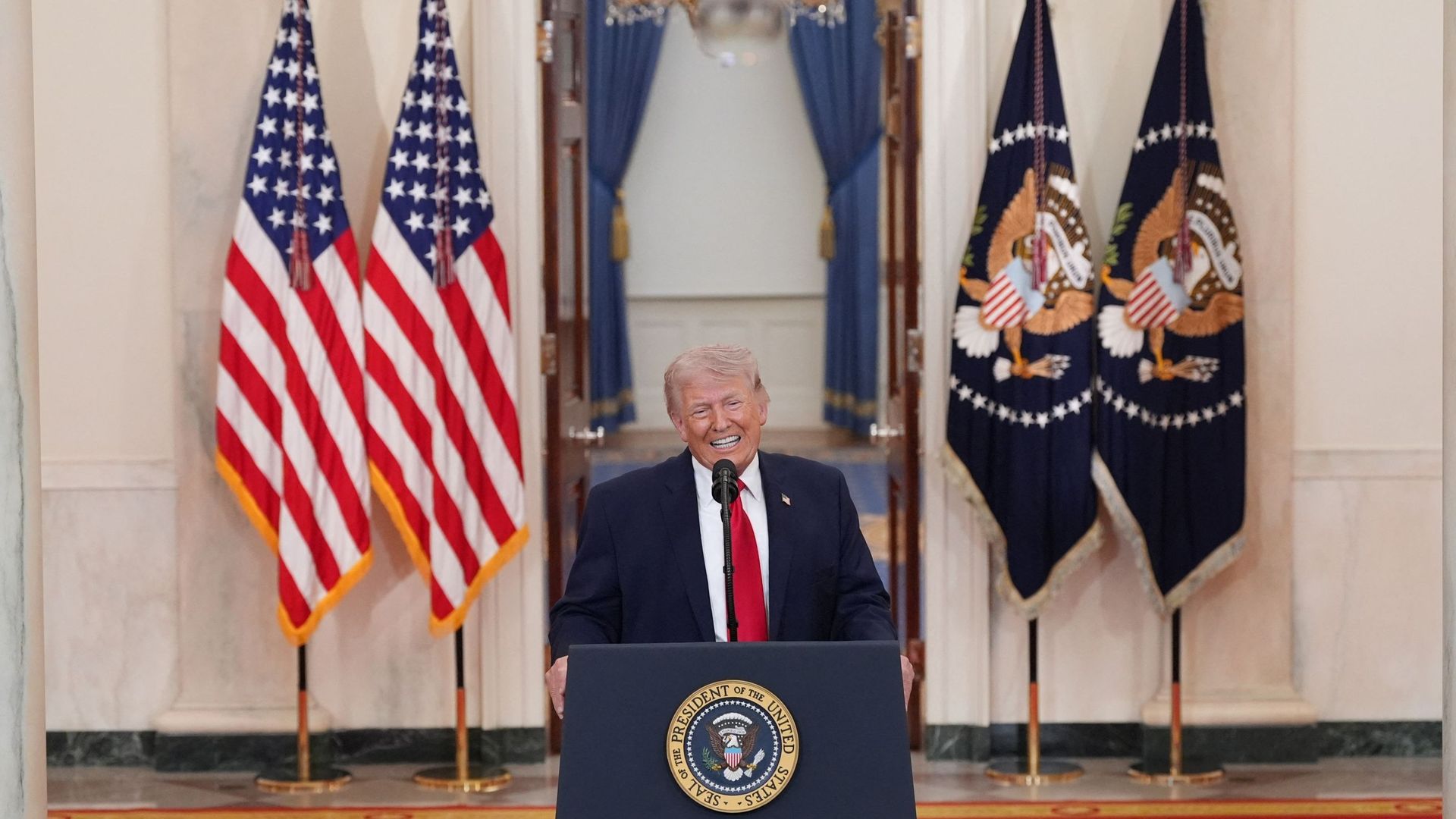
7. Bitcoin Drops as US Warns of Middle East Military Escalation: Cryptocurrencies experienced a general decline in Asian trading on April 2 after President Donald Trump hinted at tougher military action against Iran in the coming weeks. This fall followed Trump’s speech, dashing hopes of a quick end to the Middle East conflict. Bitcoin demand has been under pressure since the price drop in October 2025. As of now, the price of Bitcoin remains about 45% lower than its all-time high of over $126,000/BTC reached in October 2025.