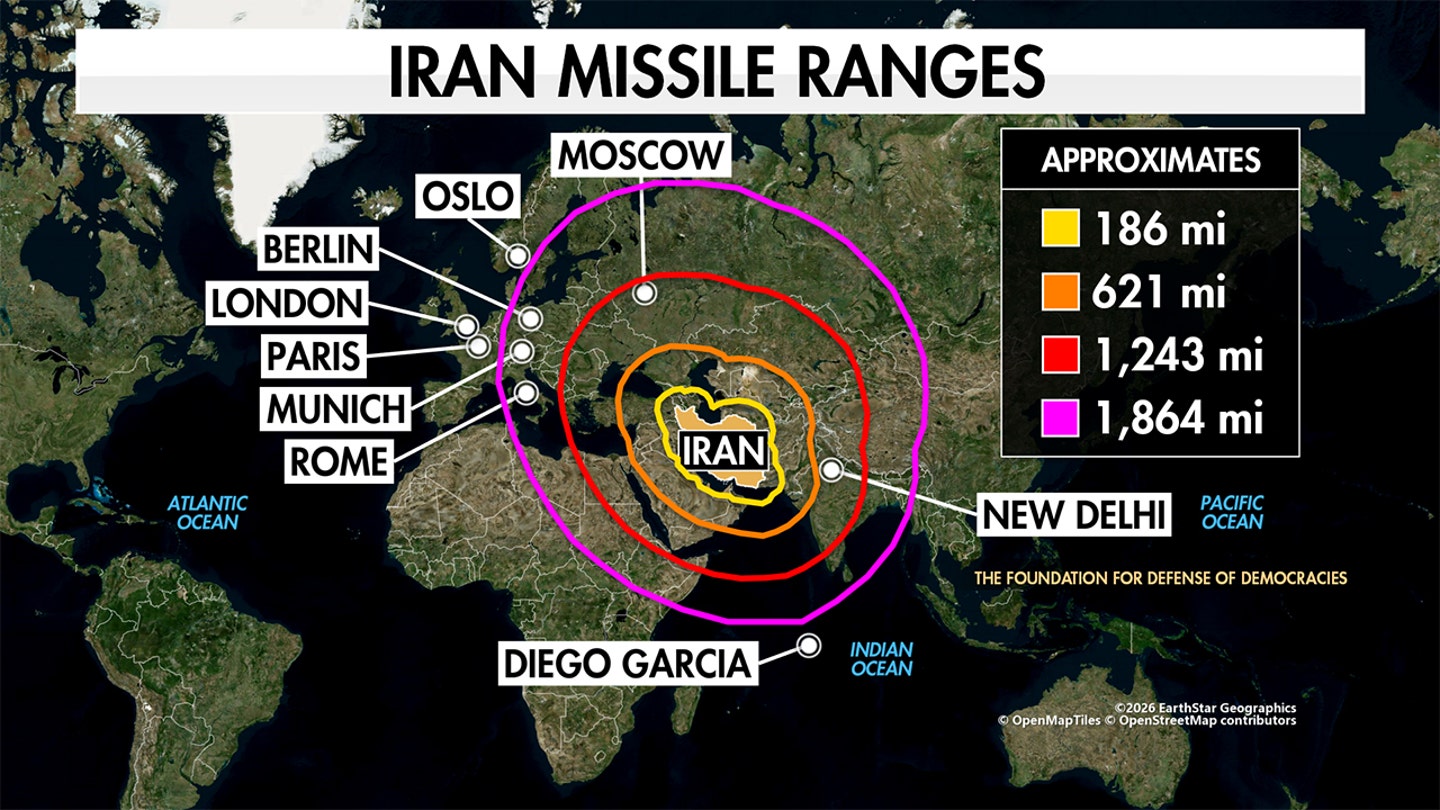
Here are the latest global economic developments on Sunday, as the war in the Middle East enters its second month.
Two more LPG carriers bound for India cross the Strait of Hormuz (Indian ministry)
Two new Indian-flagged ships carrying liquefied petroleum gas (LPG) crossed the Strait of Hormuz, announced the Indian Ministry of Shipping on Sunday.
Following the American-Israeli military strikes that triggered the conflict on February 28, Iran has nearly halted maritime traffic in the Strait of Hormuz, a crucial passage for global crude oil and liquefied petroleum gas.
Indonesia aims to save up to $2.3 billion by reducing free food distributions
Indonesia is seeking to save up to $2.3 billion (2 billion euros) by scaling back its free meal distribution program, the first austerity measure taken in the context of rising prices due to the Middle East war, announced an official on Sunday.
The meals, mainly for school children, will now be distributed only five days a week instead of six, starting Tuesday, March 31, explained Sudaryati Deyang, an official from the national nutrition agency.
Two new arrests in investigation of attempted attack on Bank of America in Paris
Two new individuals were arrested on Saturday night and Sunday in connection with the attempted attack on the Paris headquarters of the Bank of America, which the Interior Minister linked to the Middle East war.
The custody of the minor arrested on Saturday has also been extended, according to the national anti-terrorist prosecutor’s office, confirming.
Israeli-American strikes on Iranian port near the Strait of Hormuz
American and Israeli strikes hit a quay at an Iranian port near the Strait of Hormuz on Sunday, resulting in five deaths, reported the official Iranian news agency IRNA.
“The American-Zionist enemy carried out a criminal attack on the Bandar Khamir dock, causing five deaths and four injuries,” declared IRNA.
Significant damage at a site of Emirates Global Aluminium
Emirates Global Aluminium announced on Saturday significant damage at one of its sites in Abu Dhabi, following a drone and missile attack that resulted in multiple injuries.
Fires broke out in the industrial zone of Al-Tawila in the morning, with debris falling due to the interception of the attack, Emirati authorities announced later in the day, reporting six injuries.
Defense agreements between Ukraine and Gulf countries
Ukrainian President Volodymyr Zelensky stated on Saturday that the agreements he signed with Gulf countries during a regional tour included a “ten-year cooperation” in defense and the establishment of joint production chains.
Attempted attack in Paris at Bank of America headquarters
For the first time since the start of the Middle East war, an explosive device attack targeting American interests, the Paris headquarters of Bank of America, was thwarted on Saturday, a matter taken on by the national anti-terrorism prosecutor’s office.
Production halted at a major Iranian steel plant
Production at a major steel plant in Iran was halted following American-Israeli strikes, reported Iranian media on Saturday.
According to a statement from Khuzestan Steel Company, a company based in southwestern Iran, cited by the Iranian daily Shargh, the “production lines of the factory were stopped” after several units and steel facilities were hit on Friday during strikes.
Thailand claims to have reached an agreement with Iran on the Strait of Hormuz
Thailand asserted on Saturday that it had reached an agreement with Iran to allow its oil tankers to transit safely through the strategic Strait of Hormuz, which has been almost paralyzed since the start of the Middle East war.
“An agreement was reached to allow Thai oil tankers to transit safely through the Strait of Hormuz, thus helping to alleviate concerns about fuel delivery to Thailand,” declared Thai Prime Minister Anutin Charnvirakul during a press conference.
Turnaround in the Strait of Hormuz
The Iranian Revolutionary Guards announced on Friday that they had forced three container ships to turn back in the Strait of Hormuz.
They stated that this strategic route was closed to ships coming to or from ports linked to “the enemy.”