Environmental and Armed Conflicts: An Expert Explains the Hidden Stakes [Video]
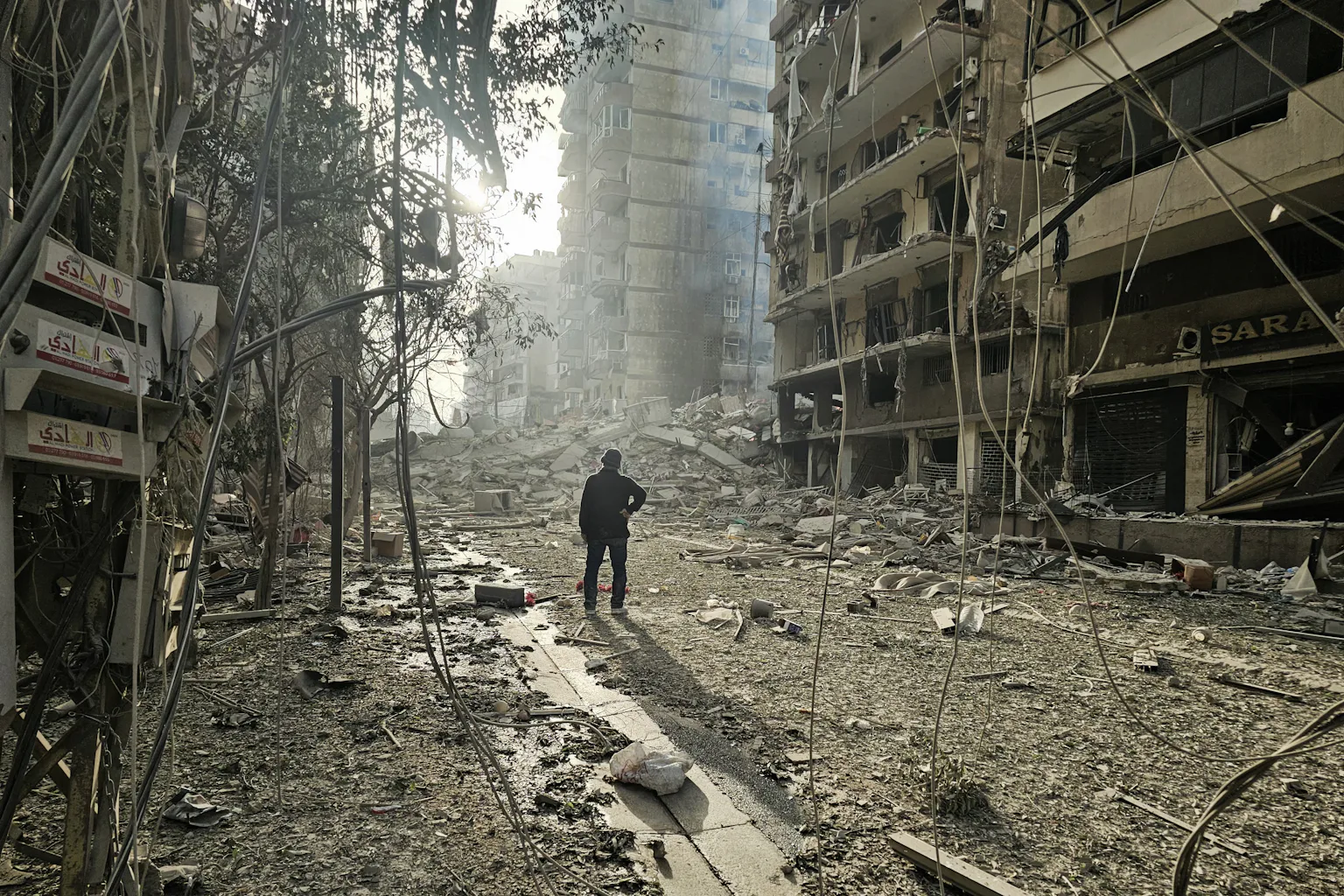
Wars are not just about human casualties and material destruction. They also generate significant environmental costs, the effects of which can persist for years, even decades. Explosions, heavy weapons, gas emissions, and chemical substances all contribute to the long-term degradation of ecosystems and exacerbate climate disruptions. In this context, the ongoing war against Iran could have a major impact, especially due to the targeting of energy and oil installations.
In a statement to Tunisie Numérique, the researcher specialized in development and natural resource management, Houcine Rhili, explained that armed conflicts generally involve the use of dangerous materials, missiles, and explosives that have direct repercussions on the environment.
Weapons with Persistent Ecological Effects
According to Houcine Rhili, the use of internationally banned weapons, especially those containing depleted uranium, has left deep traces in countries like Iraq. He points out that these weapons have had major consequences, especially in the Basra region, where they contributed to the destruction of millions of palm trees. Iraq is said to have lost over 7 million palm trees due to the cumulative effects of war and pollution.
Energy Installations at the Heart of Climate Risks
The researcher emphasizes that the current war, characterized by the use of bombs, missiles, and advanced military technologies, risks having a significant environmental impact, especially due to the targeting of oil and gas fields.
The destruction of refineries and energy installations could lead to the massive emission of greenhouse gases. When these installations burn, they release significant amounts of carbon dioxide and methane, two gases heavily implicated in global warming. These emissions also contribute to air pollution and threaten water resources, especially surface waters.
Pollution, Acid Rain, and Water Stress
Houcine Rhili also warns of the indirect consequences of conflicts on natural cycles. In several countries that have experienced wars, such as Iraq or Syria, precipitation has been affected by air pollution, leading to acid rain.
He adds that the continuation of hostilities could also affect seawater desalination plants, especially in Gulf countries where these infrastructures are essential sources of drinking water. Damaging them could have serious consequences on water resource availability.
Long-Term Effects on Soils and Biodiversity
Finally, Houcine Rhili emphasizes that the use of chemical and explosive weapons has long-term consequences on soils, air, and precipitation cycles. In Iraq, these phenomena have profoundly affected agriculture and biodiversity, particularly the cultivation of palm trees.
Soil degradation, groundwater pollution, and contamination of the food chain pose lasting threats, affecting not only ecosystems but also human health.
Facing these challenges, the expert calls for awareness of the environmental impacts of conflicts, often underestimated but whose consequences can be irreversible.
What’s happening in Tunisia?
We explain on our YouTube channel. Subscribe!