Trump changes tone on Iran, talks of negotiations
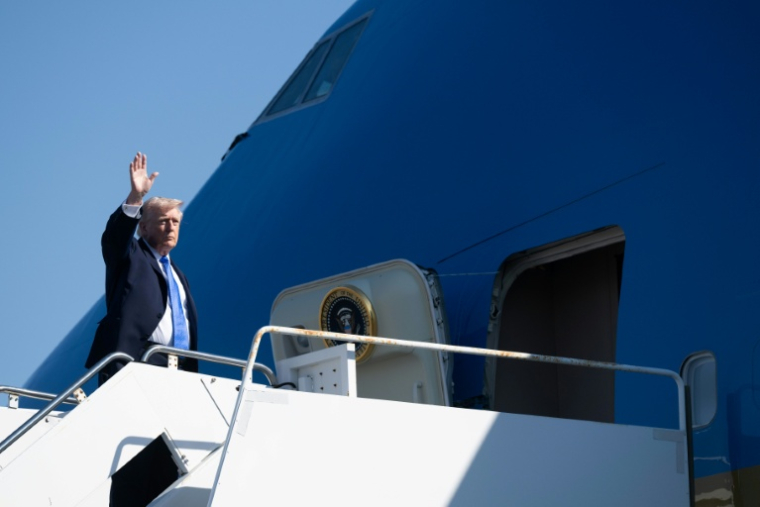
President Donald Trump greets people at West Palm Beach airport in Florida, before boarding Air Force One on March 23, 2026 (AFP / SAUL LOEB)
Donald Trump changed his tone on the 24th day of the war with Iran by mentioning “negotiations” with an unidentified Iranian official to end hostilities, even suspending planned strikes on critical Iranian infrastructure.
However, Iranian Parliament Speaker Mohammad Bagher Ghalibaf, who reportedly spoke to American envoys Steve Witkoff and Jared Kushner, stated that there were “no negotiations” with the U.S. He emphasized that false information was being used to manipulate financial and oil markets.
Israeli Prime Minister Benjamin Netanyahu mentioned speaking with Trump, noting a chance to leverage military successes for war goals within a preserving agreement.
Netanyahu expressed readiness to continue strikes in Iran and Lebanon, with the Israeli army confirming new strikes on Hezbollah targets in Beirut.
The Iranian Foreign Ministry denied any negotiations with the U.S. in the last 24 days of the war but acknowledged receiving messages through friendly countries for negotiations to end the war.
According to Trump, negotiations are ongoing with reasonable and strong individuals, hinting at a potential agreement while not revealing specific names.
-Postponement of Strikes-

At Valiasr Square in Tehran on March 22, 2026 (AFP / -)
Trump announced a five-day postponement of strikes on power plants or energy infrastructure in Iran through his Truth social network.
He asserted that the U.S. and Iran had found major points of agreements during negotiations with a high-ranking leader, not Mojtaba Khamenei, and threatened robust bombing if negotiations failed.
Trump’s flip-flop on Monday began with a post on Truth social praising “VERY GOOD AND PRODUCTIVE DISCUSSIONS FOR A TOTAL AND COMPLETE CEASEFIRE OF OUR HOSTILITIES IN THE MIDDLE EAST.”
British Prime Minister Keir Starmer welcomed the news of the discussions, while oil prices plummeted over 10% in response to Trump’s statements.
Markets reacted positively, with European stock markets turning green and closing in mixed fashion (Paris +0.79%, Frankfurt +1.22%, Milan +0.81%, London -0.24%).
Explosions were reported in Tehran with unidentified targets, while one person was killed in an Israeli strike in Beirut targeting a member of the Iranian Revolutionary Guards, according to Israel.
-Threats on Infrastructure-
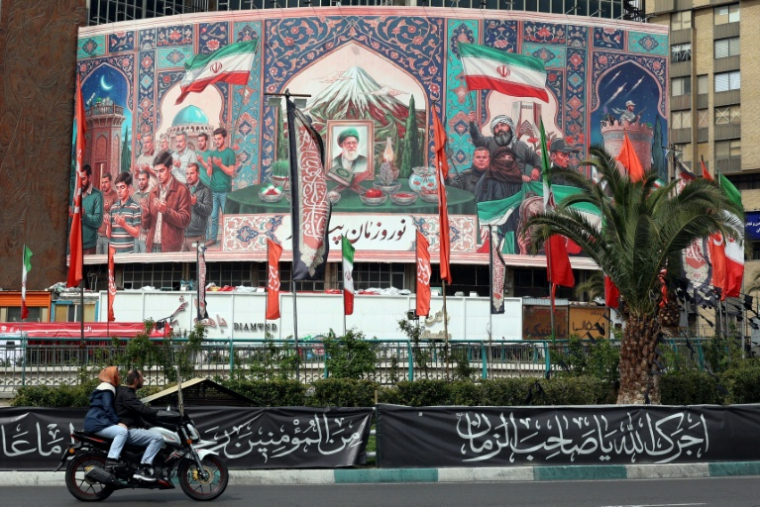
Mural with a portrait of Ayatollah Ali Khamenei on March 22, 2026, in Tehran (AFP / -)
In over three weeks of Middle East war, the U.S. and Iran had not publicly mentioned negotiations. Planned strikes on infrastructure posed a dangerous escalation threat.
The strategic showdown revolves around the Strait of Hormuz, a key route for global oil supplies blocked by Iran in response to Israeli-American attacks.
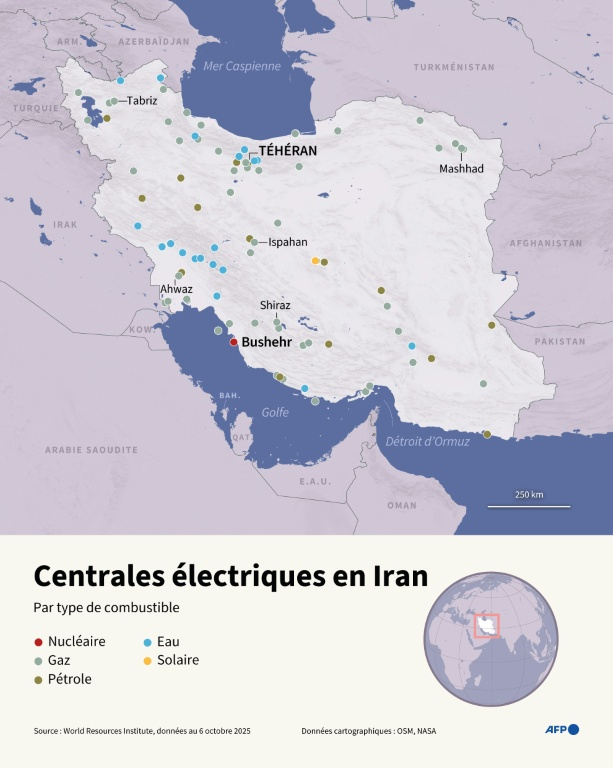
Map of Iranian power plants based on World Resources Institute data (AFP / Jonathan WALTER)
In response to an ultimatum, Iran threatened to close the strait completely and target U.S. energy, IT, and desalination infrastructure, as reported by the Fars news agency, quoting the Iranian military.
Iranian state media published lists of potential targets in the Middle East, including major power plants in Israel, Saudi Arabia, and Gulf monarchies.
-Energy Crisis?-
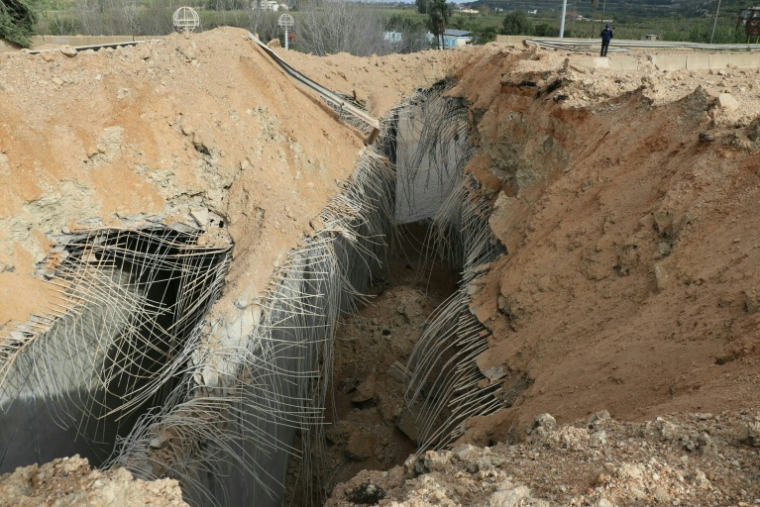
Crater on Qasmiyeh bridge in southern Lebanon after an Israeli strike on March 23, 2026 (AFP / Kawnat HAJU)
International Energy Agency Director Fatih Birol warned of a severe global energy crisis if the war started on February 28 continues, with daily oil losses surpassing major 1970s crises.
Shipping in the Strait of Hormuz had plummeted by 95%, affecting global oil supply, making countries vulnerable to the crisis if it persists.