A War with Wide-Ranging Consequences: Iran and Lebanon in Crisis
Three weeks after the offensive launched by the United States and Israel against Iranian military and nuclear facilities, followed by retaliatory strikes from Tehran in the Gulf and beyond, the conflict continues to escalate. From Lebanon to Gaza, passing through the Strait of Hormuz, the effects are accumulating: massive displacements, collapse of essential services, soaring oil prices – and now, a health concern of a different nature.
“The worst-case scenario is a nuclear incident, and that’s what worries us the most,” warned Hanan Balkhy, director of the Eastern Mediterranean region of the World Health Organization (WHO), in an interview with Politico. “As much as we prepare, nothing can prevent the damage that will occur […] in the region – and globally if it were to happen – and the consequences will last for decades.”
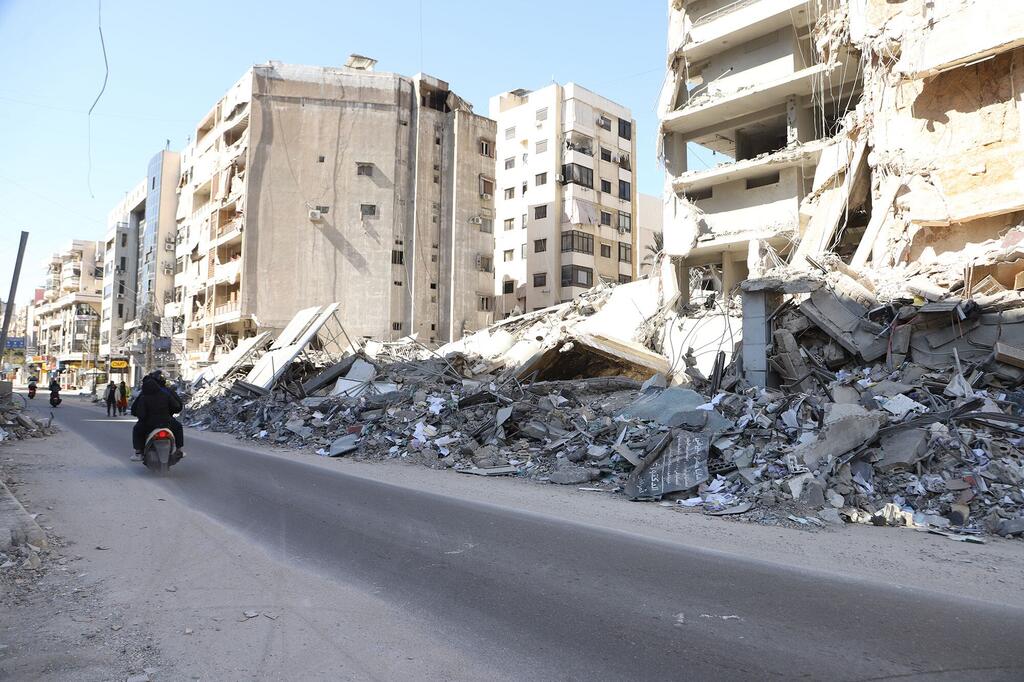
A heavily damaged building by recent airstrikes in Beirut, Lebanon.
A War Spilling Over on Many Fronts
In Iran, the airstrikes have already caused more than 1,200 deaths and thousands of injuries, according to local health authorities, while millions of people have fled the affected areas. The bombings targeted at least twenty provinces, hitting homes, schools, refineries, and vital infrastructure.
Water facilities have been damaged, floods are reported, and environmental risks – toxic fumes, potential contamination – are worrying health authorities. In some regions, water supply now depends on emergency deliveries.
In Lebanon, where the pro-Iranian Hezbollah is facing Israel, more than one in five people have fled the fighting. They are crowded into schools, public buildings, or with relatives, and some are even leaving the country for neighboring Syria. Women represent 20% of the victims, and thousands of them are pregnant, often deprived of access to care.
In these makeshift shelters, risks are piling up: sexual violence, lack of obstetric care, infections related to sanitary conditions. “Women and girls are hardest hit in any crisis, and this one is no exception,” emphasized the representative of the United Nations agency responsible for sexual and reproductive health matters (UNFPA) in Lebanon.
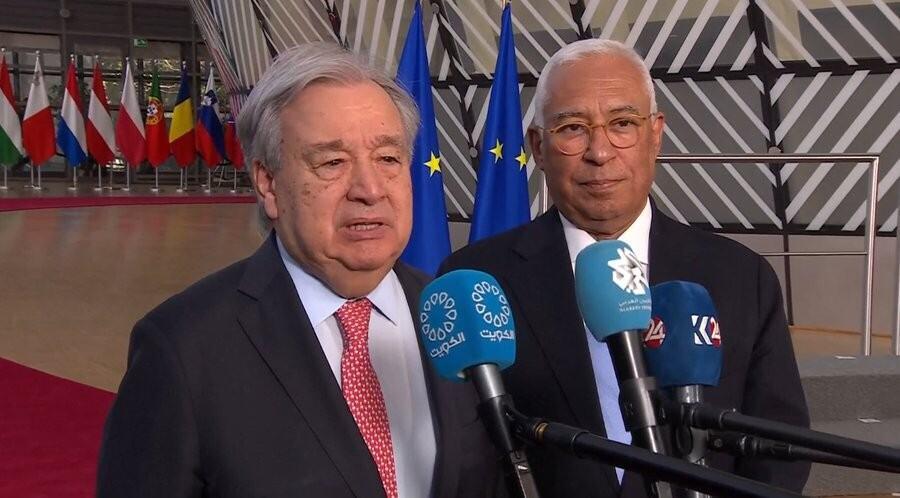
UN Secretary-General Antonio Guterres (left) in a joint press conference with European Council President Antonio Costa on Thursday, March 19.