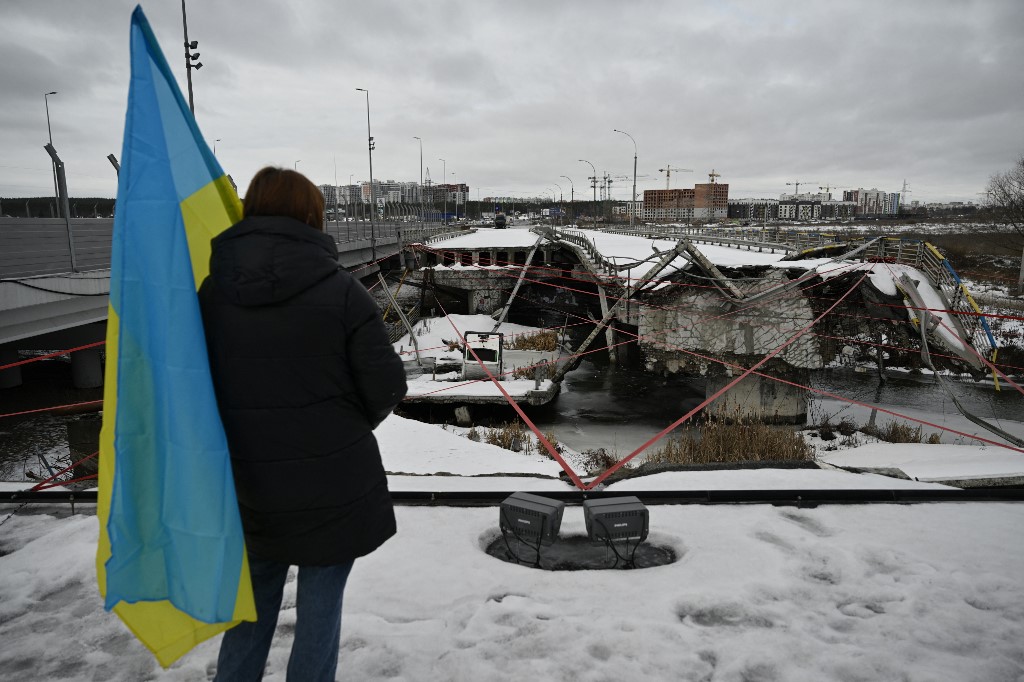
Associating energy transition and defense is not obvious. The issue remains little discussed, even among energy specialists. Yet, like civil society, the armies are facing climate change and the need to reduce their dependence on fossil fuels – with their own priority: strategic independence. However, defense is one of the most energy-intensive sectors. As the war in Ukraine reminded, conducting operations requires massive material and energy-intensive resources, while energy infrastructures are strategic targets.
Ensuring access to energy and securing the supply is vital for the armed forces and the defense industry. This requirement is now supplemented by the energy transition. It is not just about image, but about vulnerability: price volatility, dependence on imported hydrocarbons, increased geopolitical tensions due to climate change (instability, migrations, new Arctic maritime routes). The armies must also anticipate the impact of climate on their infrastructures and equipment, such as base flooding or operating in extreme conditions.
The transition is therefore not accessory. It influences organization, equipment, and strategy. In this spirit, the Ministry of the Armed Forces published a Defense Energy Strategy in 2020 and a Climate & Defense Strategy in 2022. The objective is to strengthen autonomy, resilience, and sobriety by acting on both mitigation and adaptation. Sobriety, eco-design, energy efficiency, and life cycle are gradually becoming essential, while some sector-specific derogations remain.
Defense is characterized by an essential distinction between operational activities – external operations or missions on the territory – and non-operational activities, such as administrative functions or housing. In France, the former concentrate about three-quarters of energy consumption, mainly related to mobility. The remaining quarter concerns common uses and heating of a real estate park of 25 million square meters, whose consumption has decreased since 2010, thanks to improved energy efficiency. Oil remains the main source of energy, representing about three-quarters of consumption. Electricity (3.3 TWh/year, mainly nuclear) and gas complement the energy mix. The nuclear propulsion of eleven vessels – an aircraft carrier and ten submarines – is a decisive strategic asset for France in this regard.
However, dependence on hydrocarbons remains a vulnerability factor: risk of shortage, cost increases, and logistical dangers in external operations. Yet, needs are growing, with equipment becoming heavier and more energy-consuming. Therefore, armies are experimenting with hydrogen, biofuels, synthetic fuels, or photovoltaic. Electrification is also progressing, driven by digitalization, air conditioning, and new weapon systems. It can offer operational advantages, such as reducing the noise of hybrid vehicles or providing electricity on missions.
However, any innovation must avoid creating new dependencies, whether complex supply chains, critical mineral resources, or digital vulnerabilities. Electrification, for example, increases the risk of hacking connectivity elements on board, in a context where Europe remains dependent on certain strategic components (electronic components, batteries).
Innovation is essential but costly. The specific status of defense can also hinder the integration of technologies from the civilian sector. A gap could appear if the armed forces maintained certain powertrains while the rest of society evolves rapidly.
Therefore, the energy transition represents a real strategic challenge, provided it is adapted to military constraints. Non-operational activities can follow the general movement. However, operational activities will evolve more gradually. Derogations will remain because no responsible power would sacrifice the performance of its armies for environmental reasons. National security ultimately relies on guaranteed access to abundant and reliable energy. The stakes are too high to ignore.