Nobody wants to linger on the highway that connects Rafic Hariri Airport to downtown Beirut these days. The dangerous road stretches for several kilometers through Dahiyeh, considered to be Hezbollah’s stronghold in the southern suburb of the capital, mainly Shiite. Elias, a taxi driver, speeds through on the evening of Saturday, March 7.
“A car was struck by an Israeli drone here this week,” he says, pointing to the location of the attack on a member of the pro-Iranian Shiite movement.
Hezbollah, classified as a terrorist organization by the Canadian government, has been in near-constant guerrilla warfare with Israel since its inception as a resistance movement in the early 1980s, when the Israeli state invaded Lebanon. The conflict intensified again since March 2 after rocket and drone attacks towards northern Israel to avenge the assassination of Iranian Supreme Leader Ali Khamenei on February 28, the first day of the Israeli-American offensive against Iran.
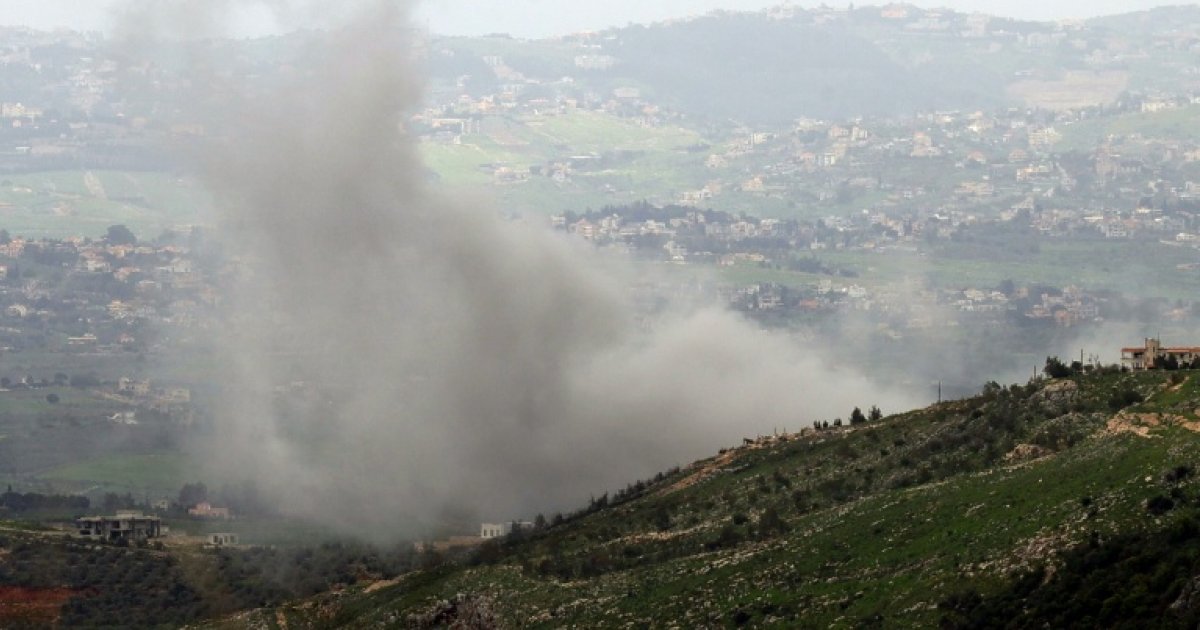
This densely populated neighborhood of about 500,000 to 700,000 inhabitants located in the southern part of the Beirut metropolitan area is regularly bombed, day and night, since the start of the Israeli-American war against Iran. Similar to the previous conflict during the fall of 2024.
Tens of thousands of men, women, and children fled to downtown Beirut, seeking refuge in schools, hotels, with friends, or even on the streets for the poorest, swelling the ranks of Lebanese fleeing the violent fighting in the south of the country, also under Israeli evacuation orders.
The massive population movement is described as a potential “humanitarian disaster” by the country’s Prime Minister, Nawaf Salam. A week after the hostilities began, nearly 520,000 people – equivalent to the population of Quebec City – were officially registered as displaced with authorities.
Many families have set up makeshift camps along the capital’s waterfront. Dozens of cars filled to the roof with bags, mattresses, pillows, and blankets, a sign of the sudden and desperate exodus, line the avenue that follows the seaside.
Some lie resigned on thin foam mattresses on the sidewalk along the palm tree-lined waterfront. Runners and walkers pass by under a gentle almost spring-like sun, barely sparing a glance at their unfortunate compatriots.
“We left in a hurry, leaving our entire life behind. It took us eight hours to travel five kilometers [between Dahiyeh and downtown] because of the traffic and people walking on the road,” a man standing beside a green tent with his seated wife inside recounts.
The weariness in this Lebanese man is palpable. “We don’t know what will happen or when we can return home,” he says before being interrupted by the arrival of three policemen. They’ve come to inform all these war refugees of the obligation to move to a field about a kilometer away, adjacent to the marina where yachts are moored.
“Why this war? This isn’t good at all,” sighs a man in his fifties sitting on a bench facing the sea. He too fled Dahiyeh in a hurry with his wife, three children, and a disabled uncle and have been staying in a nearby hotel. Hoping for a quick return home.
In the meantime, to pass the time, he watches videos of Israeli bombardments in southern Lebanon on his phone. “Israel has been bombing my country for years. And yet, Israel, the United States, Iran, Hezbollah all have a problem, but they don’t talk to each other!”
Just a few hundred meters away, an employee of the Ramada Plaza hotel sweeps shards of glass on Raouche, a seaside tourist district. A targeted strike in the dead of night had pulverized room number 406 on the fourth floor of this hotel filled with refugees, killing its five occupants. The walls and ceiling of the suite are charred. Stone cladding panels have been dislodged, and impacts are visible on the facade around the empty hole instead of the blown-out windows from the Israeli naval projectile explosion. Ten people, including children, were injured in neighboring rooms.
This strike on a five-star hotel in a previously spared tourist district has rattled the Beirut residents and exacerbated mistrust towards a historically marginalized Shiite community. It’s the second establishment hosting refugees to be bombed in a few days. “Many no longer want to rent to strangers or Shiite refugees, out of fear of bombings because we don’t know who we’re dealing with,” says a taxi driver. According to him, this nightmare will only end when the Iranian regime, the sponsor of Hezbollah, is brought to its knees.
In one week, the war had already claimed 486 lives in Lebanon, including at least 83 children, and left 1,313 injured according to an official tally as of the evening of March 9.

:fill(black)/2026/03/30/69ca91df9efad229340475.jpg "Why some compare the war in Iran to Dune")