60 armed conflicts in the world
Human Rights Council
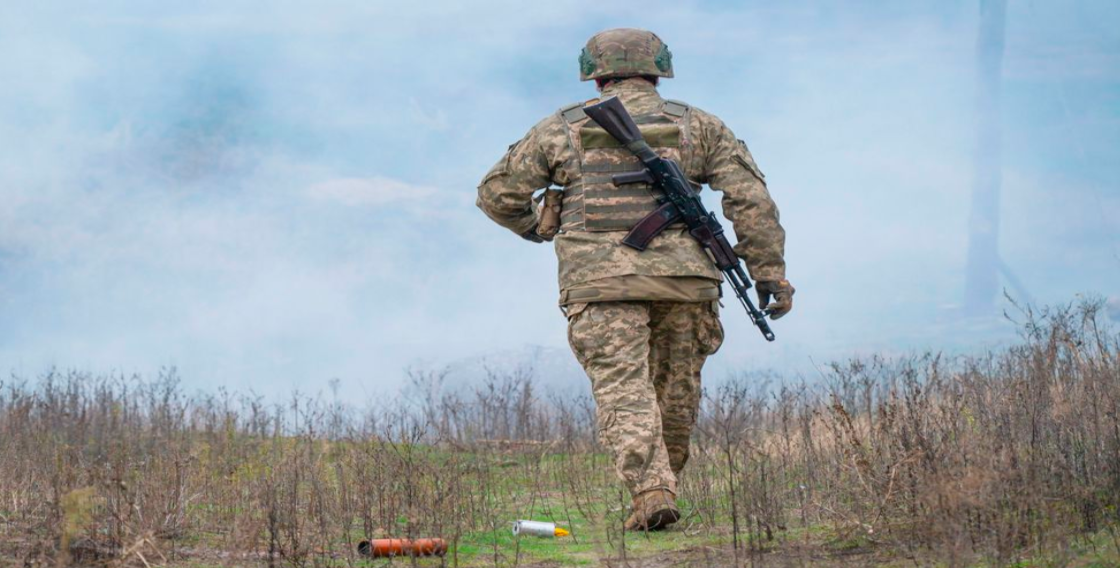
“The use of force to resolve disputes and conflicts should not become the norm,” said Nada Al-Nashif, Deputy High Commissioner for Human Rights at the United Nations Human Rights Council in Geneva. A senior United Nations official warned on Wednesday in Geneva against the normalization of force in conflict resolution, highlighting its unpredictable consequences and the increasing fragility of the world. These remarks come as the conflict triggered by the Israeli-American offensive against Iran spreads in the Middle East on the fifth day of this war. “At first glance, our discussion today may seem somewhat ironic (…). Unfortunately, at the same time we speak, the entire Middle East is plunged into chaos, with unpredictable consequences that will reverberate far beyond the region,” said Ms. Al-Nashif, recalling the remarks of High Commissioner Volker Türk on “a world upside down”. Beyond this region, she described a broader fragmentation of the world. According to the UN Human Rights Office (OHCHR), “division is omnipresent”. In Sudan, hate speech fuels heinous crimes and crimes against humanity. The Russian invasion of Ukraine has torn families and society apart. And Gaza illustrates “the results of decades of dehumanization and persistent violence”. Beyond these examples, she noted a more global drift. A world tainted by “the militarization of societies, the arming of civilians, and the recruitment of children”. A finding that emerges from the work of the Human Rights Council. The human rights forum has thus devoted much of its time “to some of the most flagrant human rights violations committed in over 60 ongoing armed conflicts around the world.” In this context, Ms. Al-Nashif warned against the limits of a purely military approach. “Military solutions may be necessary. But they have a huge human and financial cost,” she said. According to a study, the rate of resolution of violent conflicts is lower today than it has ever been over the past 50 years. Wars ending in a decisive victory have dropped from 49% in the 1970s to only 9% in the 2010s. A statistical finding that reinforces her plea. But according to the UN Deputy Human Rights Chief, militarization and hate have never made anyone safer. Before the Human Rights Council, Ms. Al-Nashif defended approaches based on prevention and human rights, particularly early warning, which “enables quick action”. In regions marked by recurring violence, it helps break the cycle. For the OHCHR, in countries as diverse as Sierra Leone, Colombia, the Gambia, Costa Rica, and Timor-Leste, placing human rights at the center of transitional justice has helped societies establish lasting peace. A concrete example of this successful approach is Colombia, with the 2016 peace agreements. “Our long-standing presence and cooperation with civil society have enabled us to facilitate the direct participation of victims,” she argued, recalling the importance of cooperation with civil society, which has facilitated the direct participation of victims in the negotiations. In conclusion, Ms. Al-Nashif called for a more united response in a world where some powerful states weaken the multilateral system. “In this context, the vast majority of nations must show even more courage and commit anew to ending war as an instrument of international relations,” she insisted. “States must speak with one clear voice in favor of the United Nations Charter, international law, and a culture of peace.” – Samir Sabek