Iran and United States Negotiations Expected in Pakistan. A top Iranian leader demanded a truce in Lebanon and the freezing of his country’s assets before any peace negotiations with the United States, casting doubt on the holding of these talks at a time when Vice President JD Vance is en route to Pakistan to participate. An Iranian delegation, however, arrived in Islamabad on Friday. Since the conclusion of the two-week truce, Tehran and Washington have disagreed on the inclusion of Lebanon in the agreement, while Israel has expressed determination to continue its fight against the pro-Iranian Hezbollah.
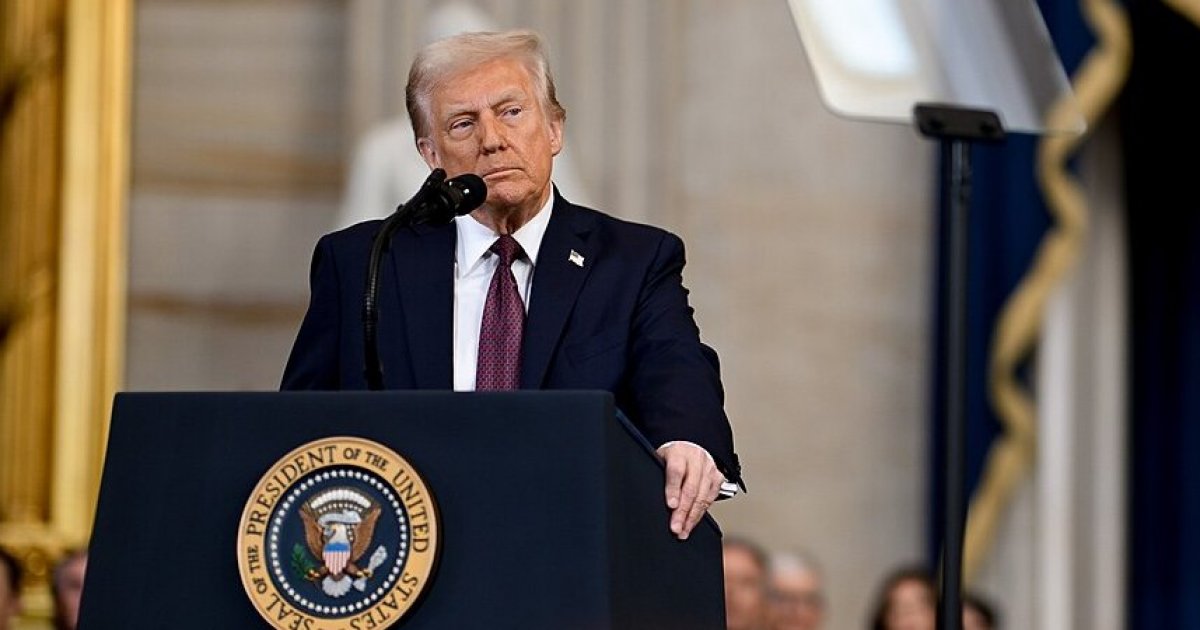
Donald Trump Threatens in Case of Negotiation Failure. President Donald Trump stated that Iran had “no cards to play” other than blocking the Strait of Hormuz, a strategic passage for global hydrocarbon trade, and threatened the country with new strikes if the discussions fail.
Death Toll Rises to 357 in Israeli Strikes in Lebanon. Just hours after the ceasefire took effect, Israeli strikes on Wednesday killed 357 people in Lebanon, according to a new toll. Israel claimed to have killed 180 Hezbollah fighters that day. These bombings are the deadliest in the country since the start of the war in the Middle East. On Friday, new strikes killed 13 security force members in southern Lebanon, according to the Lebanese state news agency.
Lebanon Announces Meeting with Israel in Washington on Tuesday. Following a meeting between the ambassadors of the two countries to the United States, “it was agreed to organize a first meeting on Tuesday at the State Department to discuss the establishment of a truce and the start date of negotiations between Lebanon and Israel under the auspices of the United States,” according to a statement from the Lebanese presidency.
In France, Sebastien Lecornu Announces Electrification Measures. Ban on gas boilers, assistance for heavy electric vehicle users: Sebastien Lecornu presented on Friday initial measures aimed at “accelerating” electrification in transportation and housing to be less dependent on gas or oil, whose prices are soaring due to the war in the Middle East. He announced that the government would double its support for electrification uses from 5.5 billion to 10 billion euros per year. In the housing sector, the installation of gas heating will be banned from the “end of this year” in new constructions, including collective housing, and two million social housing units will no longer be heated with gas by 2050. For transportation, the government will help finance, starting in June, an additional 50,000 electric vehicles for social rental (social leasing) for “heavy users” affected by the surge in fuel prices, such as nursing assistants, nurses, and artisans.