In a move that could give new impetus to cease-fire efforts in the Middle East, Israeli Prime Minister Benjamin Netanyahu declared on Thursday that he had authorized direct negotiations with Lebanon “as soon as possible,” aiming to disarm Iran-backed Hezbollah militants and establish relations between the neighboring countries.
The two countries have technically been at war since the creation of Israel in 1948, and Mr. Netanyahu emphasized that there was no cease-fire between them. In a video statement, he asserted that Israel would continue to strike Hezbollah until security was restored in northern Israel.
There was no immediate reaction from Lebanon. However, negotiations between Israel and Lebanon are set to begin next week at the State Department in Washington, according to a U.S. official and a person familiar with the matter, who spoke on condition of anonymity due to the sensitive nature of the issue.
The prospect of talks appeared to reinforce the temporary cease-fire in the war against Iran, which was shaken by Israeli bombings in Beirut, Tehran’s control of the Strait of Hormuz, and uncertainty about the possibility of reaching an agreement during discussions.
Later on Thursday, U.S. President Donald Trump seemed to question the effectiveness of the cease-fire, writing on his social network: “Iran is doing a very bad job, some would even say dishonoring, allowing passage of oil through the Strait of Hormuz.”
“This is not the deal we made!” President Trump asserted.
Netanyahu’s authorization for peace talks with Lebanon came amid ongoing disagreements over whether the cease-fire agreement involved a truce in fighting between Israel and Hezbollah. It also followed Israeli airstrikes in Beirut the day before, making it the deadliest day in Lebanon since the war began on February 28.
Israel has fought multiple wars and launched major invasions in Lebanon over the years, including sending troops last month in response to Hezbollah’s attacks on communities along Israel’s northern border.
The launch of direct peace talks is a significant step forward, although reaching an agreement is expected to be challenging after decades of hostilities, the continued presence of Hezbollah, and long-standing disagreements over the common land border between the two countries.
According to a source close to the planning, the talks in Washington are expected to be led, from the U.S. side, by the U.S. Ambassador to Lebanon, Michel Issa, and from the Israeli side, by the Israeli Ambassador to the U.S., Yechiel Leiter.
It was not immediately known who would represent Lebanon. The date and location of the talks were first reported by the American news site Axios.
Despite disagreements over the cease-fire, it appeared to have ended weeks of missile and drone attacks by Iran against its Arab Gulf neighbors and Israel, with no new attacks reported on Thursday. There were no U.S. or Israeli strikes against Iran reported.
Israel vows to continue strikes against Hezbollah
Iranian Parliament Speaker Mohammad Bagher Qalibaf warned on social media on Thursday that Israel’s ongoing attacks on Hezbollah in Lebanon would result in “explicit costs and firm responses.”
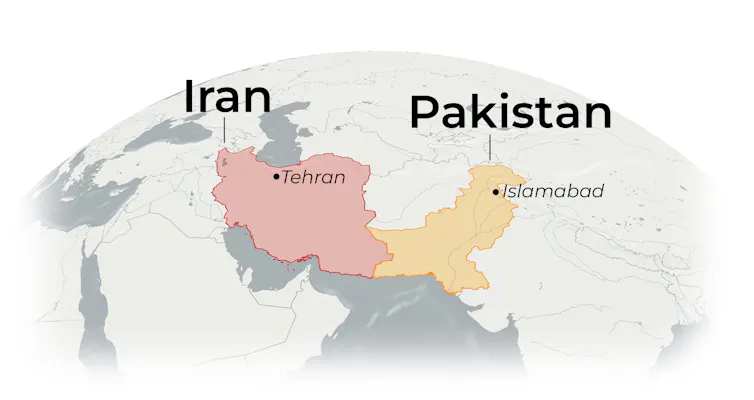
Qalibaf was mentioned as a potential negotiator who could meet with U.S. Vice President J.D. Vance this weekend in Islamabad. The White House reported that Vance would lead the delegation for talks starting on Saturday.
Iran had said that ongoing Israeli attacks on Hezbollah violated the cease-fire agreement. Netanyahu and Trump asserted that was not the case.
Trump stated on Thursday that he had asked Netanyahu to reduce the intensity of strikes in Lebanon.
The Lebanese Ministry of Health reported that over 300 people were killed and more than 1100 injured on Wednesday in Israeli strikes on central Beirut and other regions of Lebanon. The strikes, according to Israel, targeted Hezbollah, who is at war alongside Tehran.
/2026/04/08/69d63b6f1e5b8538714555.jpg "Israel continues its military operations in southern Lebanon, despite international condemnation and the")