The losses of military equipment contribute to inflating the bill for Washington. This does not seem to deter Donald Trump, who plans to ask Congress to approve a 40% increase in the US defense budget in 2027.
The cost of the war against Iran continues to rise for the United States. It is now estimated between 22.3 and 31 billion dollars (19.3 billion euros and 26.8 billion euros), according to Elaine McCusker, former Pentagon budget official turned researcher at the American Enterprise Institute (AEI) as reported by the Financial Times. This represents more than half a billion dollars every day. After the first six days of combat, the Pentagon reported a cost of 11.3 billion dollars.
In detail, combat-related material losses represent about 10% of the total cost (between 2.1 and 3.6 billion dollars) considered by Elaine McCusker. The American military suffered significant material losses over the weekend during an operation conducted on Iranian territory to rescue an ejected aviator, according to Washington.
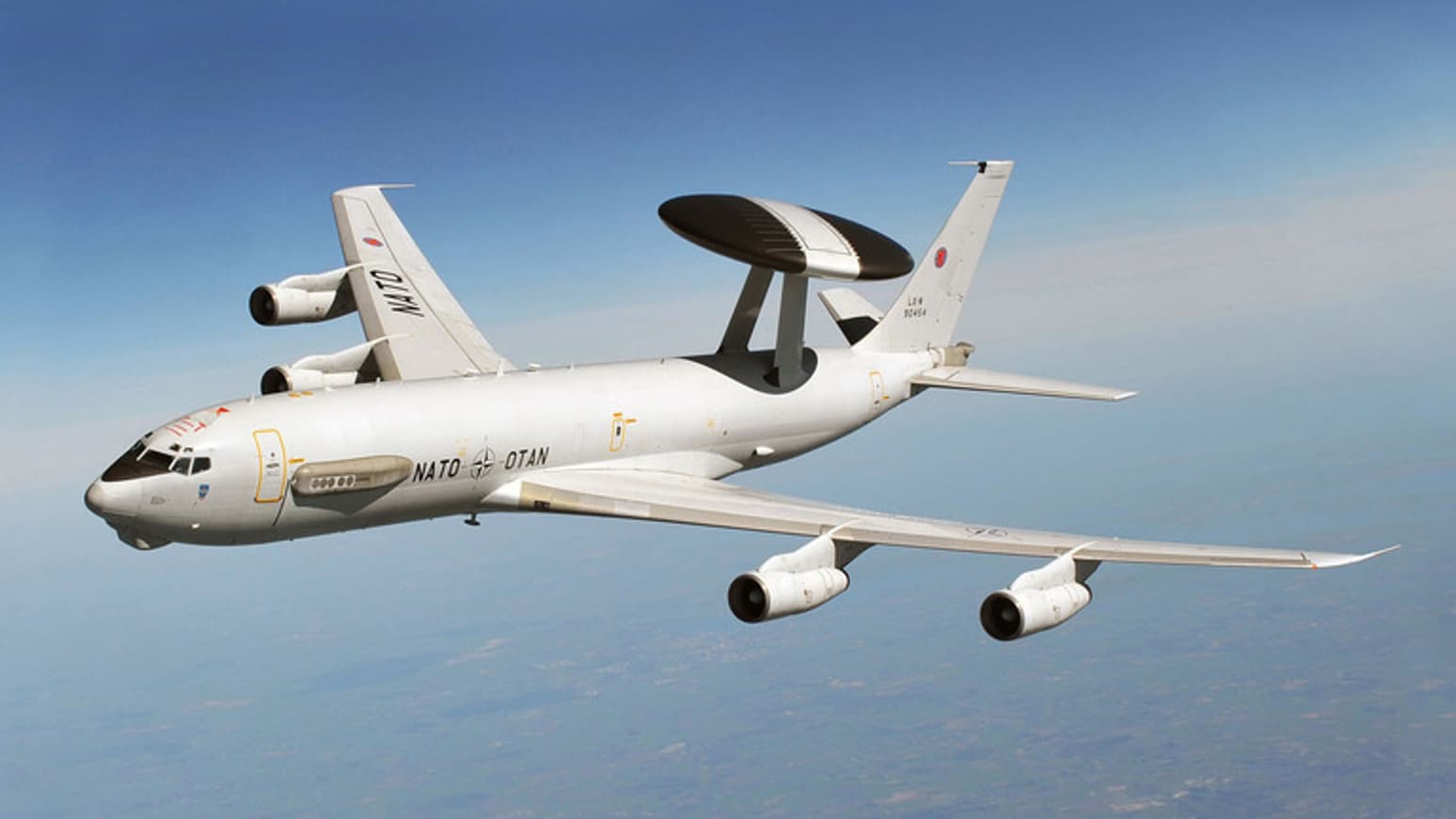
In previous weeks, other aircraft, including a highly strategic Boeing E-3 “Awacs” specialized in detection and command missions with a price of about 700 million dollars each, were lost. In her highest estimation, Elaine McCusker includes the repair costs of the USS Gerald R. Ford aircraft carrier, which suffered a fire at sea, and the refurbishment of a very expensive missile alert system damaged at a base in Qatar.
Concerns about stocks
The US military makes intensive use of missiles, leading to increased costs and damages. At the end of March, the US Army had fired more than 850 Tomahawk missiles, priced at 3.6 million dollars each, according to the Center for Strategic and International Studies (CSIS), an American research center. This is more than in any recent military intervention. For comparison, 802 Tomahawks were fired during the invasion of Iraq in 2003. However, this war and the subsequent occupation cost the United States over 3 trillion dollars, according to Harvard University researchers.
Beyond the cost, some officials are particularly concerned about dwindling weapon reserves.
“While the ammunition is sufficient to wage this war, significant expenditure on Tomahawk and other missiles in the context of Operation Epic Fury poses risks to the United States in other theaters of operations, including in the Western Pacific,” notes the CSIS.
The research center reports that Tomahawk stocks are estimated at less than 3,000 units, and the US Navy is expected to receive only 110 in 2026. However, its manufacturer, RTX, has signed several framework agreements with the Pentagon to significantly increase its production capacity and be able to produce 1,000 per year.
Trump will request a colossal budget for 2027
Logically, the bill will be presented to American taxpayers, of whom a clear majority oppose this war (60% disapprove according to a Reuters/Ipsos poll). The White House unveiled its budget proposal for 2027, demanding a 42% increase in defense spending in one year, calling for colossal expenses. The project, announced a few months before the midterm elections, would see US military spending soar to 1.5 trillion dollars next year, according to documents released by the executive branch. The White House indicated that this falls within President Trump’s “peace through strength” program.
It would be a record in recent history for the world’s leading superpower if the Parliament, currently narrowly controlled by the president’s Republican party, validates the proposal. The increase would be precisely 445 billion dollars compared to the defense budget set for 2026. To finance it, a 10% cut is planned in non-military federal spending. Drastic cuts would notably be applied to certain social, educational, or health-related expenditures. For example, the main public medical research agency would see its budget reduced by 5 billion dollars.

/2026/04/07/69d545cef2185728972943.jpg "An entire civilization will die on Tuesday evening, Donald Trump threatens before the expiration of his ultimatum counter")