The prices of petroleum products have been soaring since the beginning of the conflict in the Middle East, with diesel leading the way. In a tense market before the war, Europe is paying a high price for its dependence on imports of this fuel, which is the most consumed.
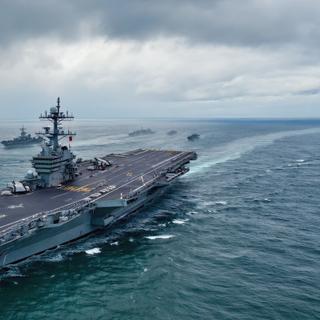
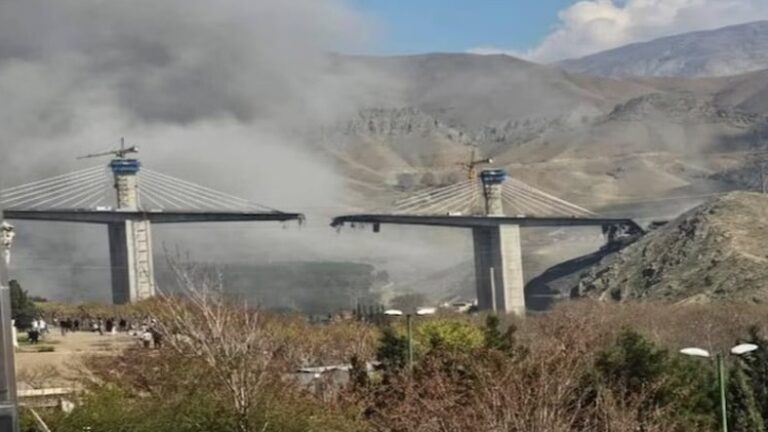
The Gulf’s oil exports are being hindered by attacks on infrastructure and the blockade of the Strait of Hormuz. This exacerbates pre-existing tensions over Europe’s diesel supply, leading to sharp increases in pump prices and threatening inflation in many sectors.
Diesel is crucial as it fuels cars, road transport for goods and passengers, agricultural and construction machinery, fishing, and part of the maritime sector.
Despite the gradual electrification of vehicles in the European Union, diesel still accounted for 86% of road fuel consumption in Latvia, 73% in France, 66% in Germany, but only 50% in the Netherlands in 2024, according to a report by FuelsEurope representing the refining and fuel industry.
On Thursday, European diesel prices surpassed $200 a barrel, a level unseen since March 2022 and the repercussions of the war in Ukraine.
Before the Middle East conflict, the global diesel market was much tighter than that of gasoline, resulting in a significant increase in diesel prices while gasoline prices remained relatively stable, according to Susan Bell, a commodities specialist at Rystad Energy.
In France, diesel prices have risen by 32.7% since February 27, much more than the 16.86% increase in the most consumed gasoline SP95-E10 in the country. As of March 30, the average pump price in the EU was €2.07 per liter for diesel compared to €1.87 for Super95 gasoline.
Diesel used to be cheaper than gasoline, but in recent years, due to geopolitical tensions and tax adjustments, this is no longer always the case.
Europe has historically been a net exporter of gasoline but a net importer of diesel due to an industrial and fiscal legacy that favored diesel consumption.
Russia was the leading diesel supplier to the EU until the invasion of Ukraine in 2022 and sanctions against Moscow, prompting Europe to diversify its sources from India, Turkey, the United States, and Saudi Arabia.
The Middle East supplied just over half of European diesel imports in 2025, with about a third passing through the strategic Strait of Hormuz, which is challenging to replace.
Relying on maintenance deferments, strategic reserve usage, and reduced consumption seem to be the only ways to partially address the imbalance in the diesel market.