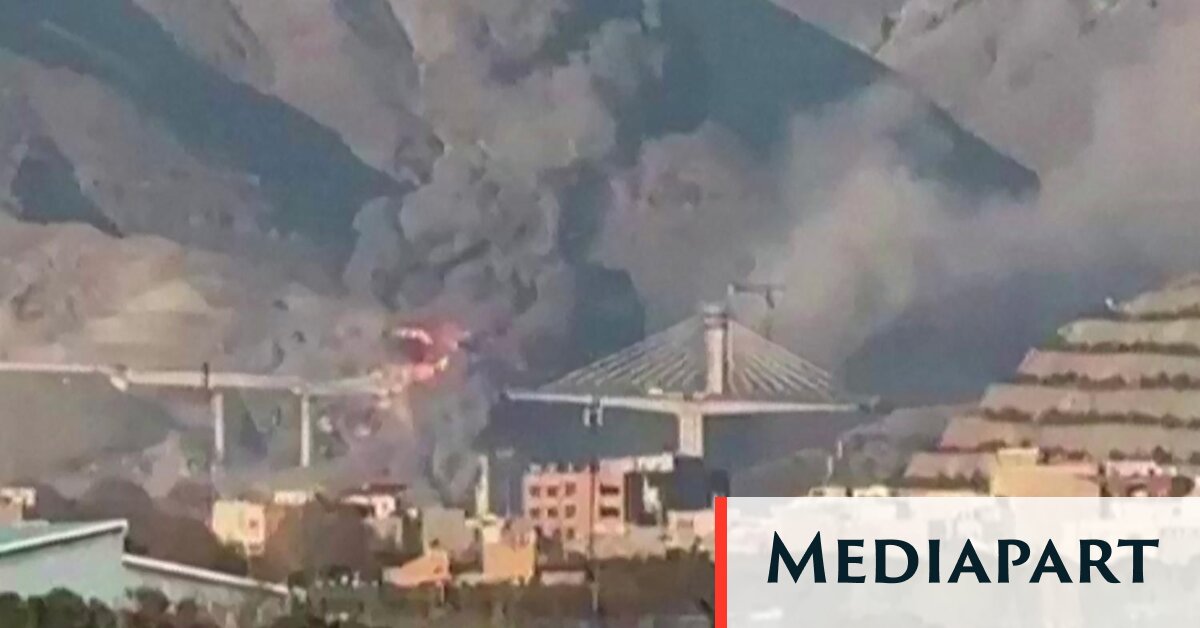
Images carry a powerful symbolic force. This week, the Lebanese army withdrew from several villages in southern Lebanon, including Christian villages like Rmeich, Ain Ebel, Debel, and Qlayaa. The Israeli army continues to advance in the region, with the objective of creating a “buffer zone” free from the threat of Hezbollah.
The withdrawal is all the more harshly felt as most of the inhabitants of these villages have decided to stay even though “everything, absolutely everything, pushes them to leave,” wrote the head of the political department of the French-speaking Lebanese newspaper L’Orient-Le Jour.
As “the state withdraws, the army retreats, and the world looks away,” they find themselves now exposed, “without protection.” “Abandonment, betrayal,” some cry. Words that hurt.
“They first target the institution that, in the Lebanese imagination, remained the last bastion. This time, no one can claim helplessness. The state exists, the institutions still stand – at least in appearance – yet, at a crucial moment, they withdraw, leaving behind Lebanese people alone in the face of war, alone in the face of fear, alone in the face of destiny.”
The army’s dilemma
On the ground, the Shiites, who make up the vast majority of the population in southern Lebanon, overwhelmingly.