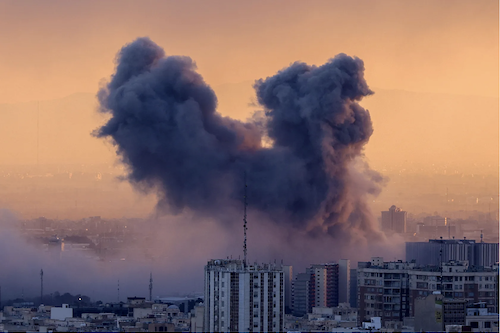
Before the outbreak of the conflict on February 28, marked by a series of American and Israeli strikes against Iran, the US economy was already “close to stagflation”, linking strong inflation to weak growth, according to Mr. Stiglitz. Several indicators anticipated weak growth in the United States before the war, but this conflict “plunged us into crisis,” he explained in an interview with AFP at the United Nations headquarters in Geneva.
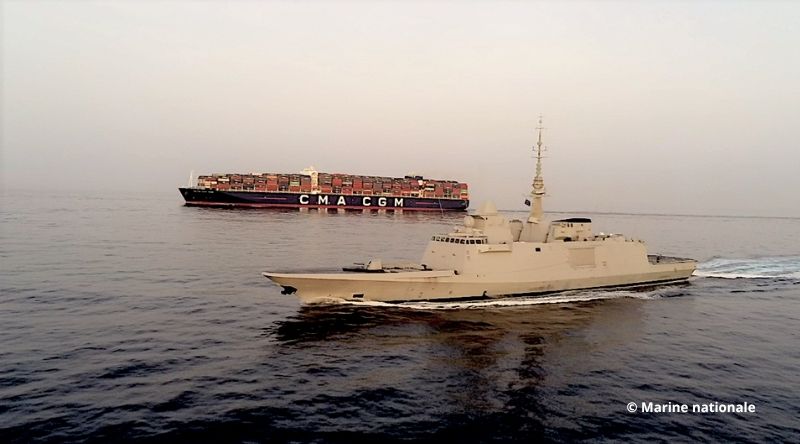
The conflict in the Middle East has virtually paralyzed traffic in the Strait of Hormuz, a strategic passage for a fifth of the world’s crude oil supplies and a significant portion of gas, causing a spike in oil prices. Global oil prices have surged 40 to 50% after Iran blocked this maritime route and targeted energy and maritime assets in retaliation to Israeli-American strikes.
This situation has raised concerns for the global trading system, already weakened by President Donald Trump’s trade policy and the fragmentation of supply chains since the Covid-19 pandemic and the war in Ukraine.
Joseph Stiglitz, former chief economist of the World Bank and co-winner of the Nobel Prize in Economics in 2001, affirms that the United States remain the most exposed to the risk of stagflation, as during the oil shocks of the 1970s. “The risk of stagflation seems quite high for the United States,” he argues, estimating that Donald Trump’s policies had significantly weakened the US economy even before the war.
Mr. Stiglitz lists concerning indicators, such as the expected stagnation of the active population in 2025 and the rise in unemployment last month. And despite recording positive economic growth, it is “unbalanced,” he notes, with about a third of it coming from the creation of data centers dedicated to artificial intelligence.
– Increased uncertainty –
“The stock market, on the other hand, is doing well because it is dominated by AI and technology companies,” continues the Columbia University professor, while “if we look at the rest of the stock market, it simply lags behind.”
In the economist’s view, the situation is less critical elsewhere. While Europe also faces inflationary pressures in the energy sector, it benefits from a boost in growth due to a substantial increase in defense spending, after Washington “clearly indicated that the United States could not be relied upon” in this area, he explained.
Meanwhile, Mr. Stiglitz expects Mr. Trump’s protectionist policy to fuel inflation in the United States. Generally, when a country imposes tariffs, it can expect an appreciation of its exchange rate, since it imports fewer goods, which should lower inflation, the economist explained.
However, in this particular case, he notes, “the dollar has weakened.” This is explained by the fact that “Trump has destroyed confidence in America and in the dollar.”
“The weakness of the dollar means that instead of reducing inflation through tariffs, we are seeing an increase in inflation – Everything we import costs more in dollars.”
This is now compounded by inflation related to the war, as well as increased uncertainty among households and businesses. The latter “do not know what the amount of tariffs will be, how long this war will last. They do not know how energy prices will evolve,” Mr. Stiglitz points out.
Businesses, he insists, “cannot invest under these conditions.”
Source: AFP