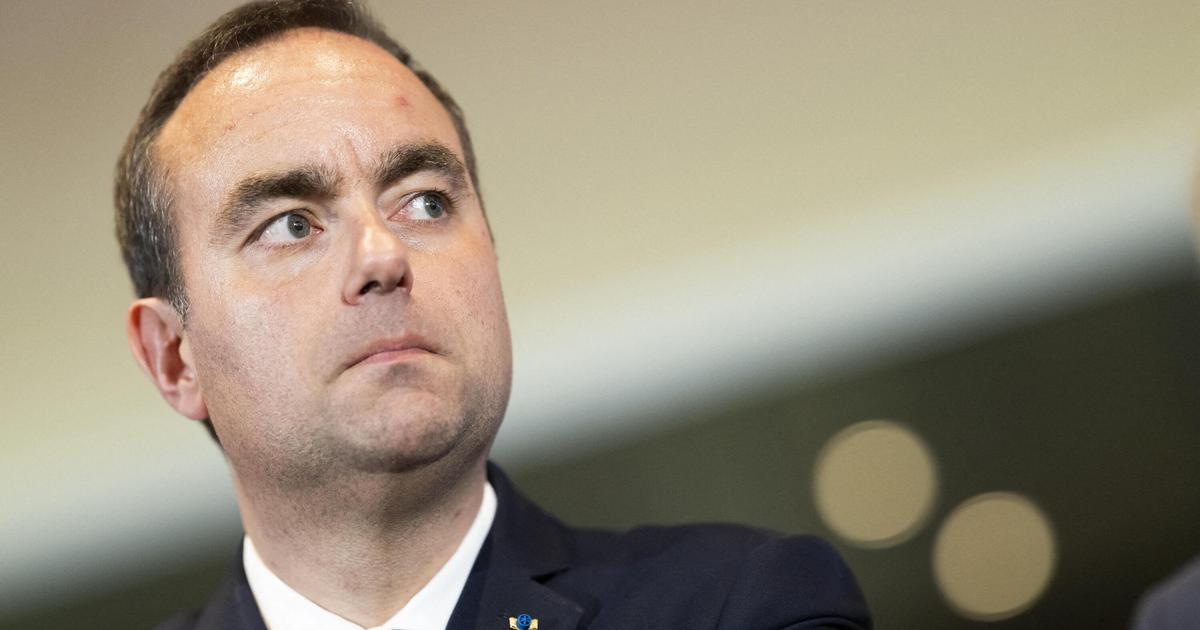
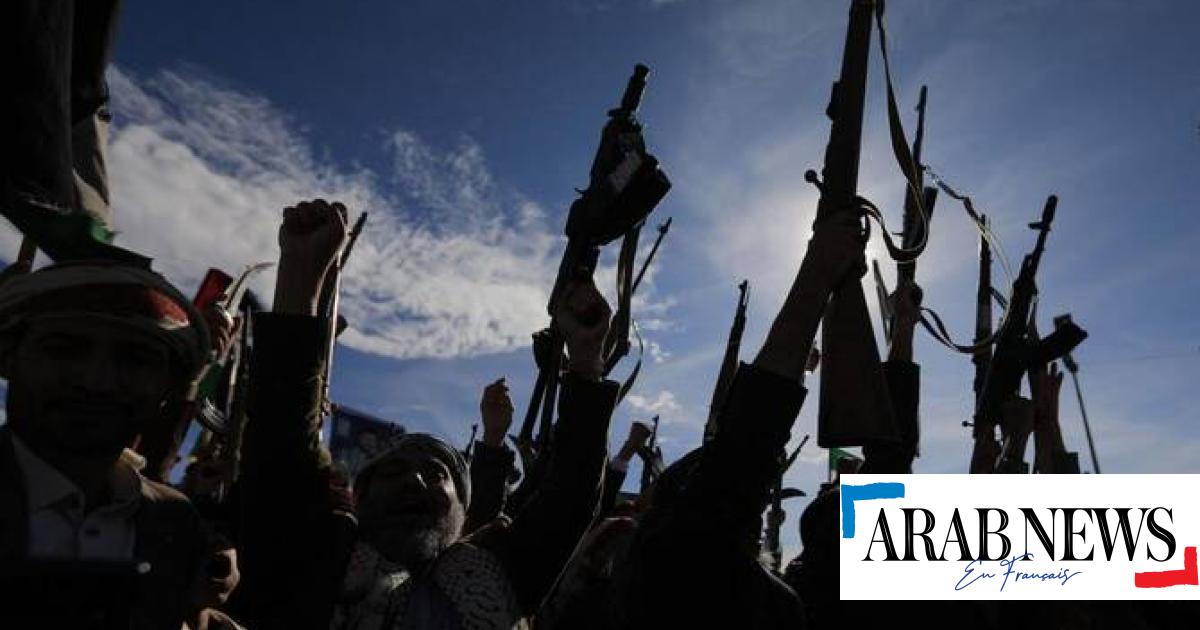
A new era is opening in Iran with the death of Ali Khamenei. The Supreme Leader was not only the highest religious authority in the country, but also embodied its anti-Israeli and anti-American policy for thirty-seven years. At 86, the man, who was rarely seen smiling, was the dean of Middle Eastern leaders. His portraits flooded the streets of Tehran and other cities in the country. But for several months, the old man knew he was being hunted.
He had not appeared in public since the twelve-day war in June 2025, launched by Israel to try to destroy Iran’s nuclear program. Ali Khamenei’s few speeches were recorded before being broadcast.
This son of an imam from the city of Mashhad in northeastern Iran had long been a loyal follower of Imam Ruhollah Khomeini, the first Supreme Leader of the Islamic Republic who overthrew the authoritarian Shah of Iran in February 1979.
Khamenei proved himself as president during the eight years of the terrible and deadly war with Iraq, which reportedly resulted in nearly 1 million deaths in Iran. It was only natural that he was chosen to succeed Khomeini after his death in June 1989.
The man who boasted of loving Victor Hugo and “Les Misérables” gradually transformed his position into an implacable personal power. As the supreme decision-maker, he was increasingly criticized in recent years for his uncompromising stance on the nuclear program, isolating the country on the international stage and causing economic deterioration due to sanctions. In fact, it was the unprecedented economic crisis that triggered the bazaar protest movement at the end of December, which spread throughout the country in January.