
Vance says he expects negotiations in Pakistan to be ‘positive’
When US Vice President JD Vance arrives in Pakistan on Saturday for ceasefire talks with Iran, he will become the highest-ranking US official to enter negotiations with Iranians since 1979.
The talks would be the latest chapter in the turbulent history of engagement between Washington and Tehran.
Over the past year, Iran’s Foreign Minister Abbas Araghchi held indirect talks with Jared Kushner, US President Donald Trump’s son-in-law, and US envoy Steve Witkoff, aimed at curbing Iran’s nuclear program. Those efforts ultimately failed after Israel attacked Iran’s nuclear sites in June 2025, and another round this year was cut short when the US assassinated Iran’s Supreme Leader Ayatollah Khamenei on the first day of the war in late February.
A quick history: The last major breakthrough came in 2015, when the US and Iran, alongside other world powers, reached the nuclear deal known as the Joint Comprehensive Plan of Action, placing limits on Iran’s nuclear program in exchange for sanctions relief after years of negotiations.
Those talks were led by then-Secretary of State John Kerry and Iranian Foreign Minister Javad Zarif.
That deal was built on earlier openings. In 2013, President Barack Obama held a phone conversation with Iranian President Hassan Rouhani, marking the first direct contact between leaders of the two countries since the 1979 Islamic Revolution. Obama had already set the tone in his 2009 inaugural address, saying: “If you unclench your fist, we will extend a hand.”
Even before that, Iran’s reformist President Mohammad Khatami had called for a “dialogue among civilizations” in the late 1990s, with attempted cultural and diplomatic openings with the US during the Clinton administration.
In 1989, President George H. W. Bush offered a cautious opening of his own, declaring that “goodwill begets goodwill,” signaling that cooperation, including on the release of US hostages in Lebanon, could lead to a thaw in relations. That thaw in relations never materialized.

/2026/04/10/69d91db85e0b1995193748.jpg "Three young Frenchmen take legal action for war crimes after being forcibly recruited into the (organization)")
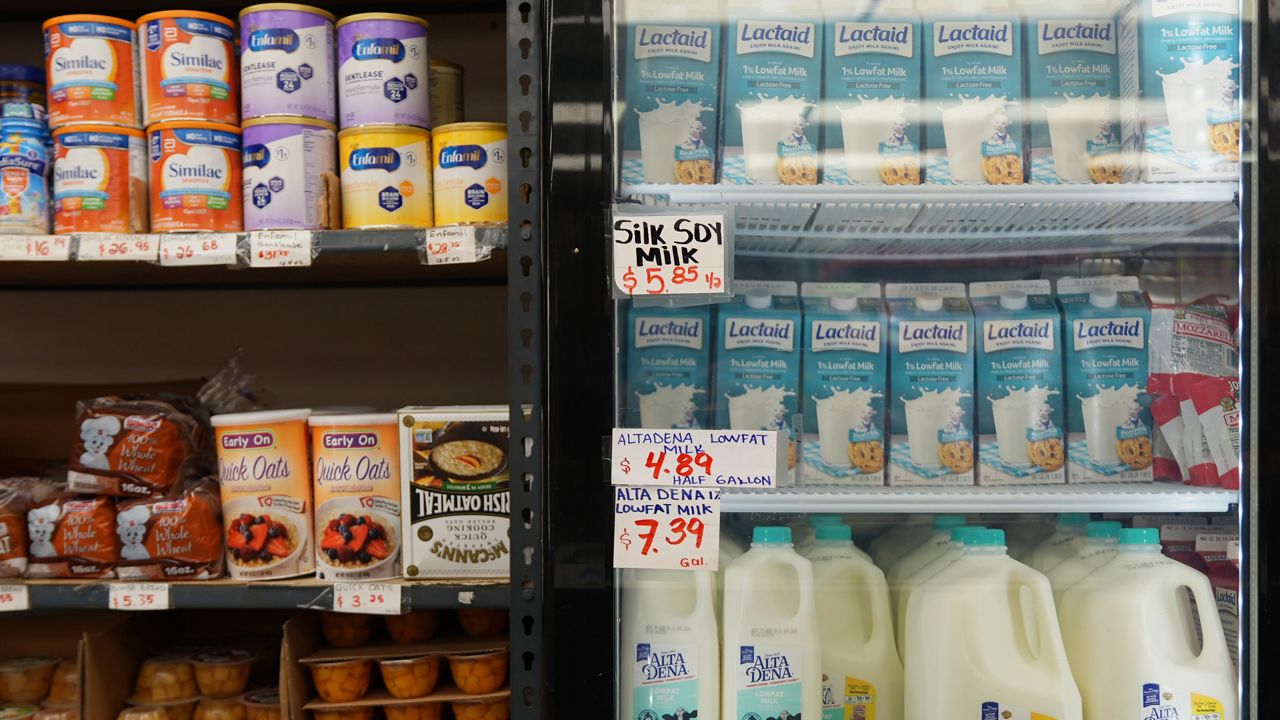
/2026/04/10/69d91e09719d4658291006.jpg "Negotiations between Washington and Tehran: The United States under pressure from inflation caused by the war")