Global security was based on a quiet certainty, that of great powers no longer waging war face to face. This certainty is crumbling as the armies of entire countries find themselves against each other again. Interstate conflicts are multiplying so quickly that several of them have descended into open war in the same year.
A peak of armed clashes never reached since 1946
In 2025, the Uppsala Conflict Data Program, a global reference for recording organized violence, counted 65 conflicts involving at least one state. This is the highest total ever recorded since records began in 1946. Eight of these clashes directly opposed two countries, double the number from the previous year.
The changeover is recent. The number of direct conflicts between countries has doubled two years in a row, going from two in 2023 to eight in 2025. Thirteen clashes reached the level of war, that is to say at least 1,000 combat deaths in one year, the highest total in almost a decade.
Interstate conflicts return to the threshold of war
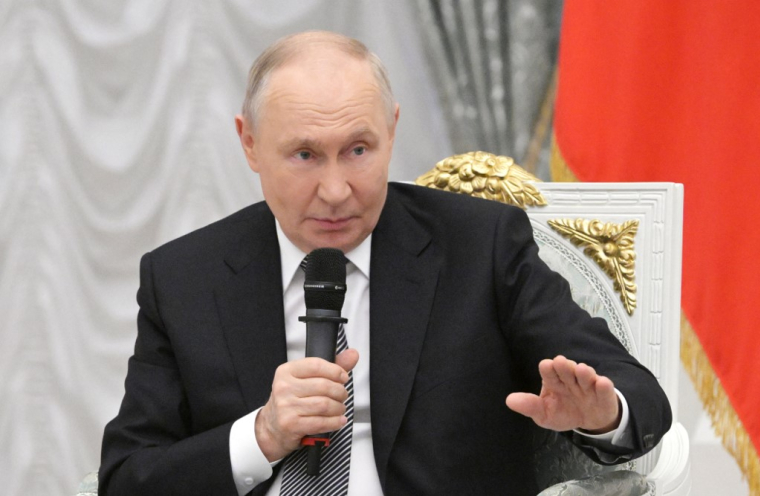
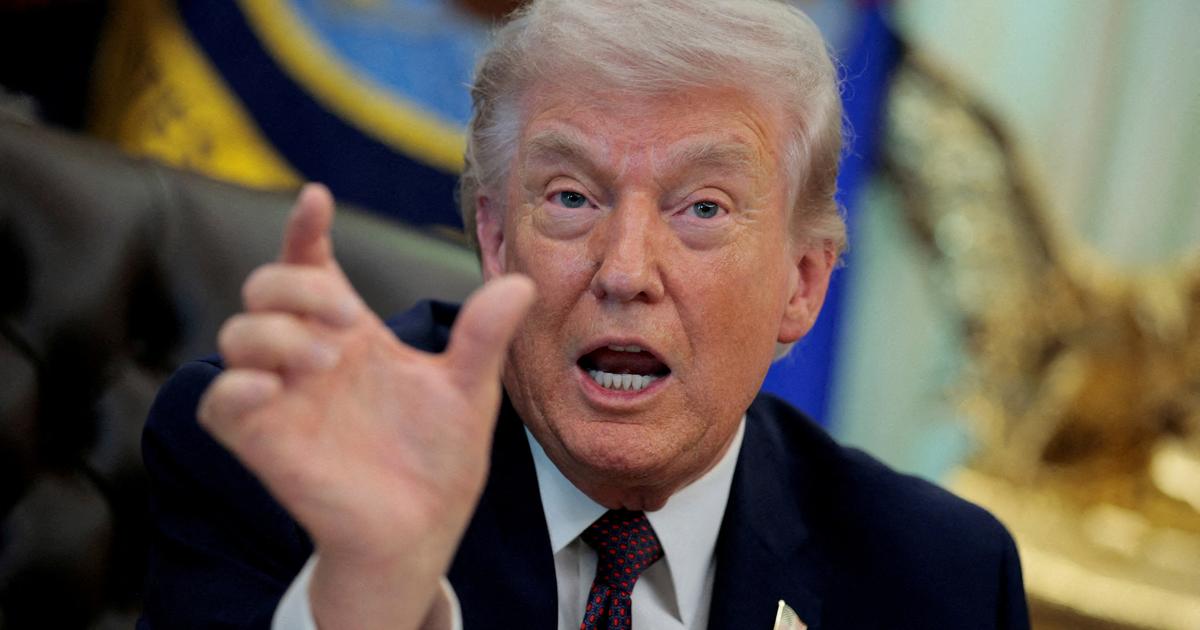
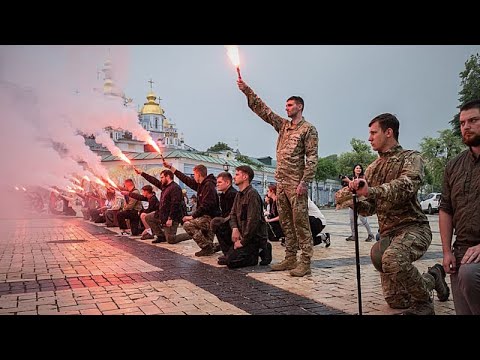
For the first time since 1987, two interstate wars exceeded the threshold of 1,000 deaths in the same year. On one side, Russia and Ukraine. On the other, Iran and Israel. The Ukrainian front, however, remains the deadliest in the world, far ahead of the others. In 2025, it caused at least 94,700 combat deaths. It alone accounts for almost two out of three combat casualties recorded in the world.
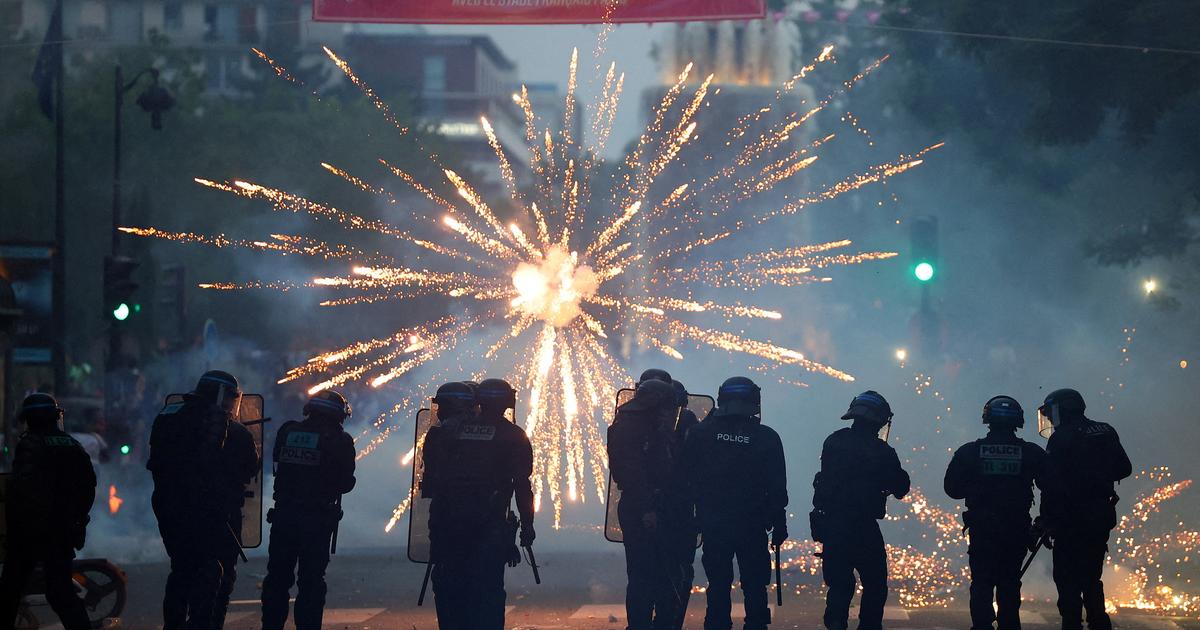
Elsewhere, other states clashed more briefly, from India and Pakistan to Thailand and Cambodia. At the same time, Israel continued its operations in Syria and Yemen. In total, all forms of violence combined, around 244,600 people lost their lives in 2025. According to the analysis published in the Journal of Peace Research, only one year since the Rwandan genocide of 1994 has been bloodier. The fighting between belligerents accounted for nearly 153,600 deaths. The rest corresponds to violence which directly affects civilian populations.
Ten years that transformed the map of wars
The movement goes beyond a simple bad year. Since 2010, the number of conflicts involving at least one state has almost doubled. Analysts link this surge to the crumbling of the international order dominated by the United States since 1945, which until then governed rivalries between great powers. Wars where a state secretly supports armed groups in a neighboring country have also become commonplace.
Violence deliberately targeting civilians has, for its part, increased fivefold, driven by the massacres in Sudan which bring this type of loss to its highest level since 1994. Conversely, clashes between armed groups without any state involved are fell to their lowest point since 2013.
The next annual data from the UCDP, expected in 2027, will tell whether the increase in wars between states is confirmed or marks the peak of an already extraordinary decade.