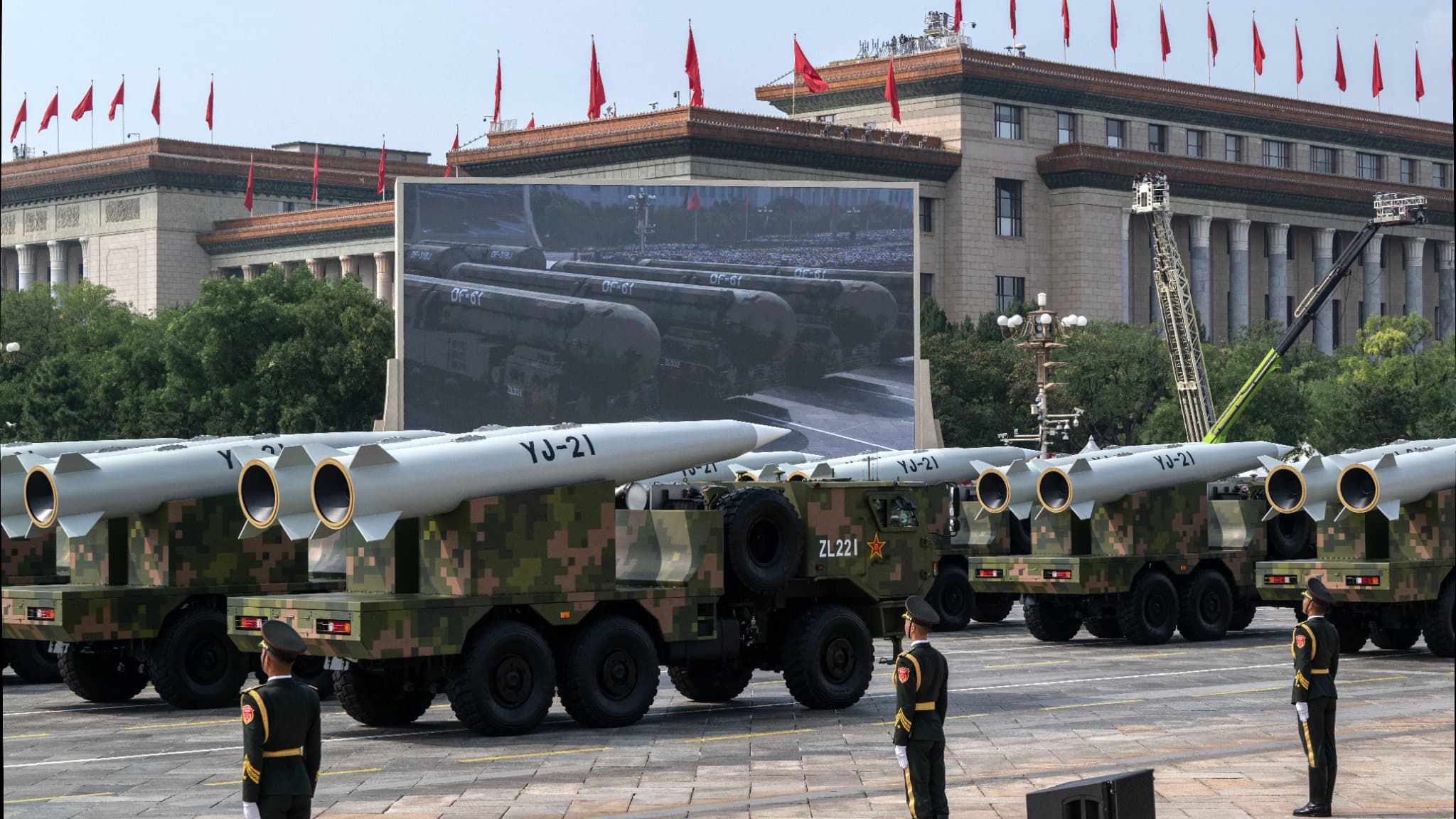
Behind the excitement that animates the Majicavo-Duba neighborhood in Mayotte, merchants are worried, nearly a month after the start of the war in the Middle East. “For supplies, there is fear,” said Saoudati Madi, a seller who witnessed several shops liquidate their stocks during Ramadan. This district in the commune of Koungou owes its name to the numerous clothing stores mostly from Dubai. In 2025, the United Arab Emirates were even the top source country for imports to Mayotte, with 98 million euros and a share of 20.1%, according to Customs. But since the start of the war triggered by the United States and Israel against Iran, which retaliated by striking the Gulf monarchies, exports from the UAE have been severely hindered. Tehran announced on Tuesday that it would allow “non-hostile ships” to pass through the strategic Strait of Hormuz, but the conditions, such as the payment of transit fees up to $2 million according to Bloomberg, remain unclear. Some traders are considering turning to Tanzania or China. There is no shortage yet, but Madi fears container blockages and increased costs of goods and transportation. “It’s not just a question of price, there’s also fear of going there,” she added. In a shop away from the busy main street, Naf Kamal is concerned. Some of his associates left for Dubai just before the conflict began to place ready-to-wear orders. “They’re stuck. We don’t know when they’ll come back,” worried the merchant, as several airlines have announced extending the suspension of their links with the Middle East. Daniel Halidi usually goes to Dubai three times a year to renew the stocks of his store with modern and traditional dresses. He is now considering turning to other countries like Tanzania or China, but not everyone has the experience to buy products online from China, he explained. If the conflict lasts “until the start of the school year, we will have difficulties,” warned Shaïma Houmadi, who buys her products from other merchants. According to Fahardine Mohamed, president of the Employers’ Group of Mayotte (GPM), the geopolitical context already has concrete effects, including increased costs of maritime and air transportation, delivery delays, and supply disruptions. “In Mayotte, given the insularity of its economy, any fluctuation inevitably creates difficulties,” added the president of the employer union, expressing strong concern among the traders. Halidi’s last order from Dubai is currently stuck in a container at the port of Longoni, the entry point for imported goods, due to missing documents provided by the UAE authorities. According to the Chamber of Commerce and Industry, some companies have goods blocked in the Emirate. Its director general, Abdoul-Karime Bamana, ensures that economic actors have enough stocks to hold for a while. But if the war continues, “by the start of the school year, we will face difficulties.” In the short term, the prefecture is expected to redefine the price caps for petroleum products in Mayotte by April 1st. In Reunion Island, this will result in an increase in fuel prices per liter.