It was three months ago. Donald Trump was attacking Iran and we were going to see what we were going to see. After kidnapping the Venezuelan president at the beginning of January, the American president would continue his cleansing of the world’s dictators and bring down the Mullahs of Tehran. There would be three days and the Cuban regime, next on the list, would have better watch out. We know the rest.
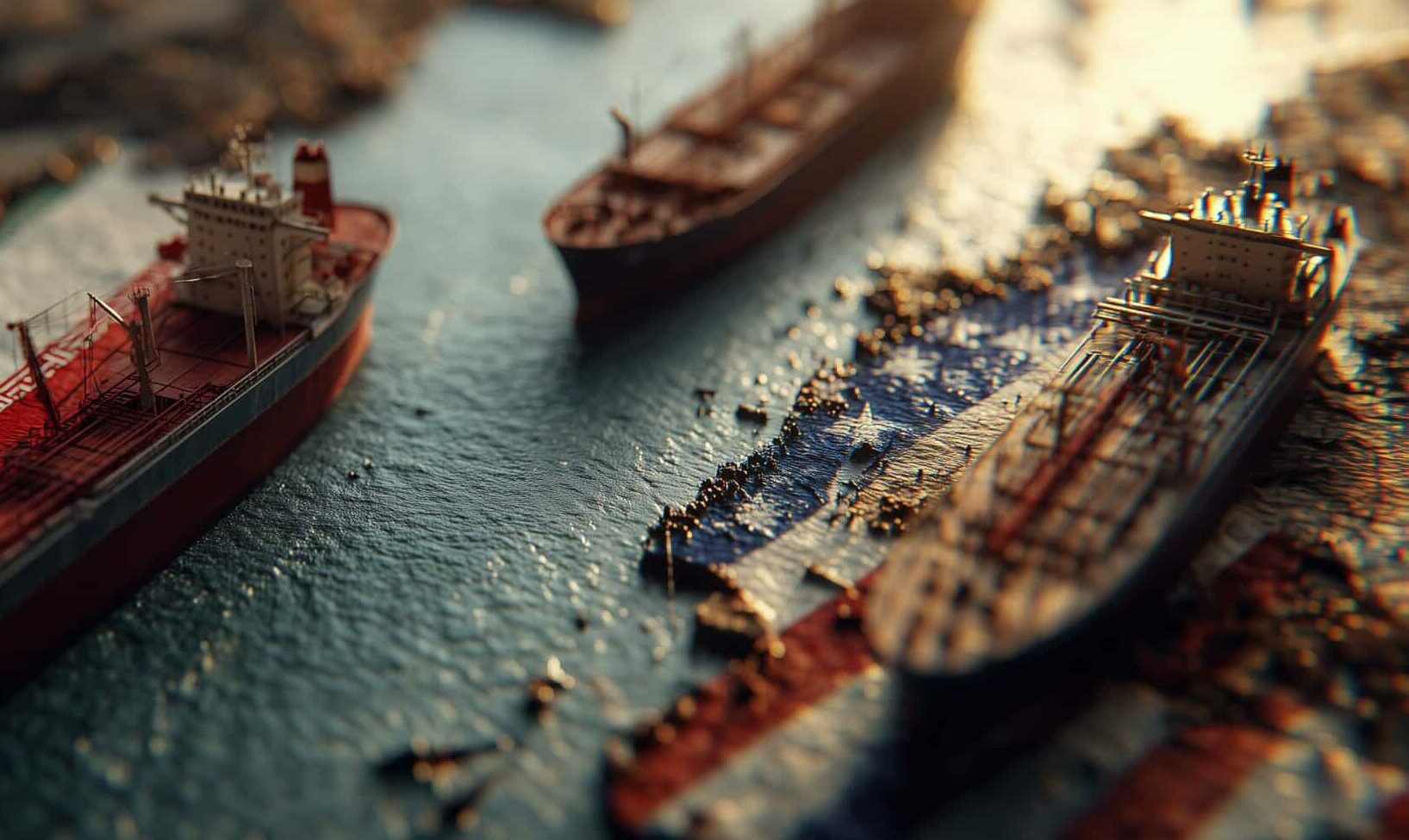
Although the American army inflicted considerable damage on Iran and brought the regime to its knees, it did not break. Worse, the power has become radicalized and the guards of the revolution have emerged strengthened from these three months of war. Iranian civilians are the first victims of this failure of the United States which, for several weeks, has been negotiating an agreement which is taking longer each day to arrive. Beyond that, the whole world is destabilized. Not content with having resisted, Tehran is upping the ante and has an ace up its sleeve, the blockade of the Strait of Hormuz, which had absolutely not been anticipated by the Trump administration.
New strikes?
Iran, whose finances are drained, is today trying to obtain a right of passage for cargo ships through the strait, and is also demanding the release of billions of frozen assets. Not certain that the United States will give in, as Trump’s strategy, or rather lack of strategy, remains unfathomable. Another major issue concerns Tehran’s capacity to acquire nuclear weapons, which could lead Washington to carry out new strikes.
Meanwhile, taking advantage of the procrastination of the White House, Israel is pushing its offensive into Lebanon where, there too, it is the civilian population who are paying the price for Benyamin Netanyahu’s go-to-war logic. Between a sin of pride and guilty adventurism, this new poorly prepared military operation in the Middle East highlights the extent to which the United States is incapable of learning the lessons of History.
/2022/12/02/638994d9d5adf_61168cfc8256bf7ea5ef3720-1.png "DIRECT. War in the Middle East: Iran says it has not yet accepted the agreement brandished by Donald Trump after the cancellation of American strikes")