In recent days, the public has been shocked to learn that several artists and celebrities have found themselves embroiled in legal cases. Some are involved in drug cases, while others are targeted by offenses related to advertising, public statements, conduct and privacy.
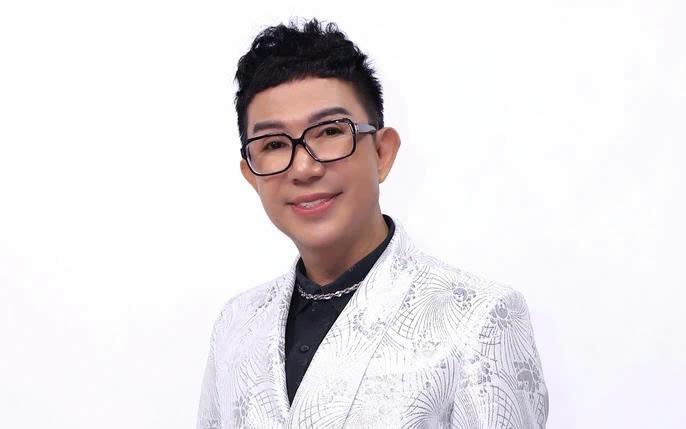
The public pays too much attention to harmful content.
These incidents not only damage the artists’ personal image, but also raise a more important question: does the Vietnamese entertainment world need more rigorous, more humane and more socially responsible introspection behind the scenes?
Art was born to beautify life. Therefore, artists are not just those who sing well, perform skillfully, appear frequently in the media, or have a large following on social media. Artists are also those who arouse emotions, shape aesthetics, disseminate lifestyles and nourish the public’s faith in beauty, goodness and benevolence.
When an artist takes the stage, the spotlight shines not only on his talent, but also on his personality. When he ventures into public space, each of his words, each of his actions, each of his life choices can become a social message.
Therefore, any scandal involving an artist cannot be considered a simple private matter. An artist’s private life must be respected, but when their personal behavior transgresses social norms, professional ethics, or even the law, it is no longer a hushed up affair.
A mistake made by an ordinary person may have limited impact. On the other hand, a mistake made by a celebrity can shake the confidence of tens of thousands, even millions of viewers, especially young people, who are easily seduced by the glamour, fame and lifestyle of their idols.
Unfortunately, in some sectors of today’s entertainment industry, fame sometimes arrives before cultural maturity. Some people are lionized too early, become famous too quickly, and make money too easily, but lack professional ethical foundations, self-discipline, and the strength to resist temptation.
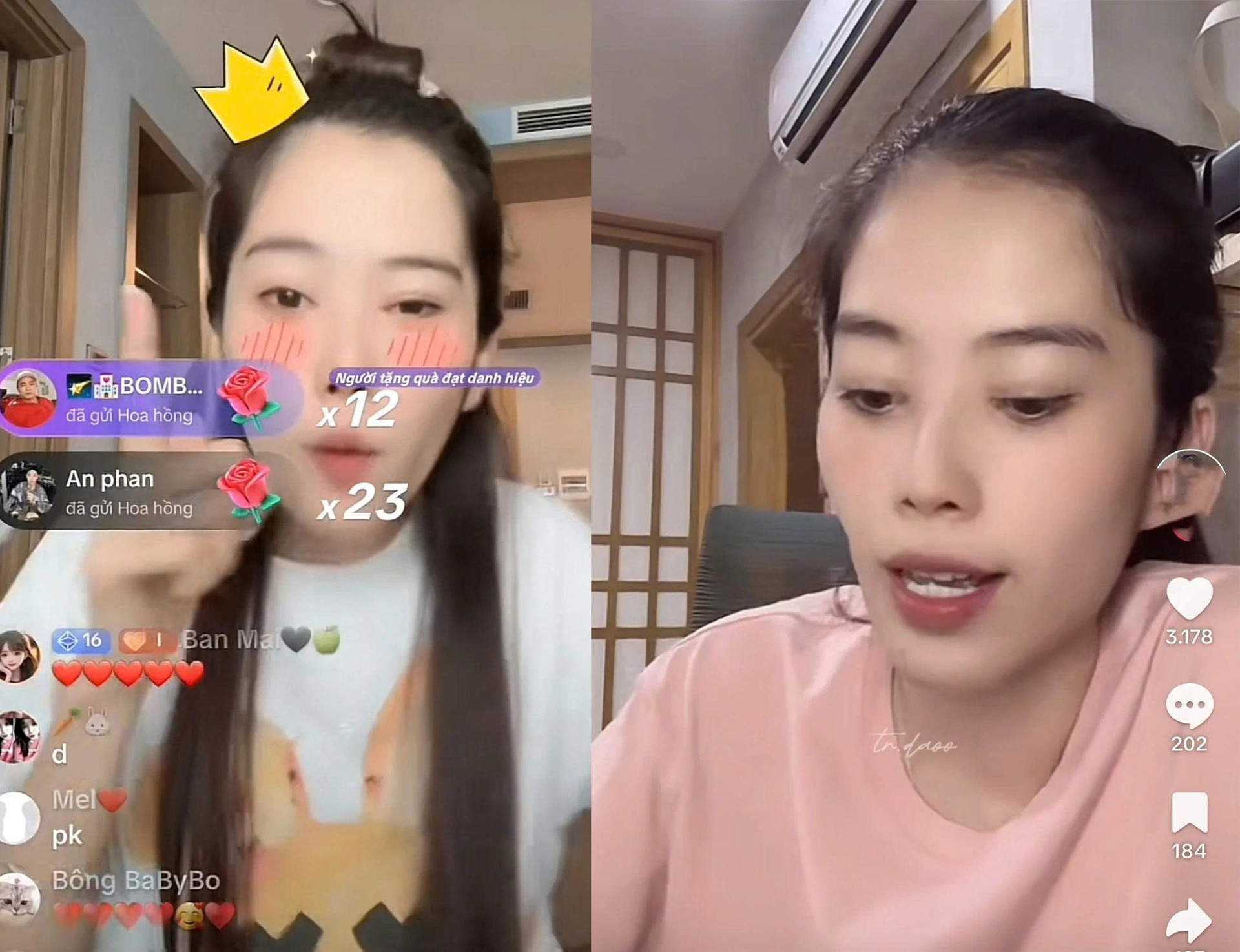
The pressure to maintain one’s notoriety, the pressure of competition and the pressure of always being in the spotlight in the “view economy” push some people to choose the shortest path to stardom: shocking statements, controversial live broadcasts, exposure of their private lives, creation of controversies, even disregard for standards.
But scandal is not synonymous with talent. Controversy does not equal value. The number of views is not the ultimate criterion of culture. An artist can get a lot of attention after an incident, but that doesn’t mean he deserves respect. Fame is sometimes built on creativity, years of hard work and works that leave a lasting impression. But there is also a celebrity based on controversy, and this kind of celebrity is fragile because it lacks character and commitment.
If Vietnamese showbiz aspires to become a healthy component of the cultural industry, it can no longer afford to consider the scandal as a simple “media strategy”. An entertainment industry worthy of its name cannot survive on superficial curiosity. An ambitious artistic scene cannot let artifice eclipse talent, controversies obscure creation, nor deviant behavior be excused by the pretext of “private life”.
The more popular art becomes, the more responsible it must be. The more influential an artist is, the more he must know how to set limits within the legal, ethical and professional framework. Of course, when discussing scandals involving artists, it is impossible to limit yourself to just one point of view. The public and social networks also have their place in this matter.
We are outraged by wrongdoing, but often our curiosity fuels controversy. We condemn offensive comments, and yet we share them, comment on them and debate them, thus contributing to their dissemination. We demand a healthier world of entertainment, but we often pay excessive attention to harmful content, futile arguments and exposures of private lives that contribute nothing to society. Consequently, to clean up the world of entertainment, we need not only more self-respect on the part of artists and more rigorous management, but also greater maturity on the part of the public in their cultural consumption. Every vision counts.
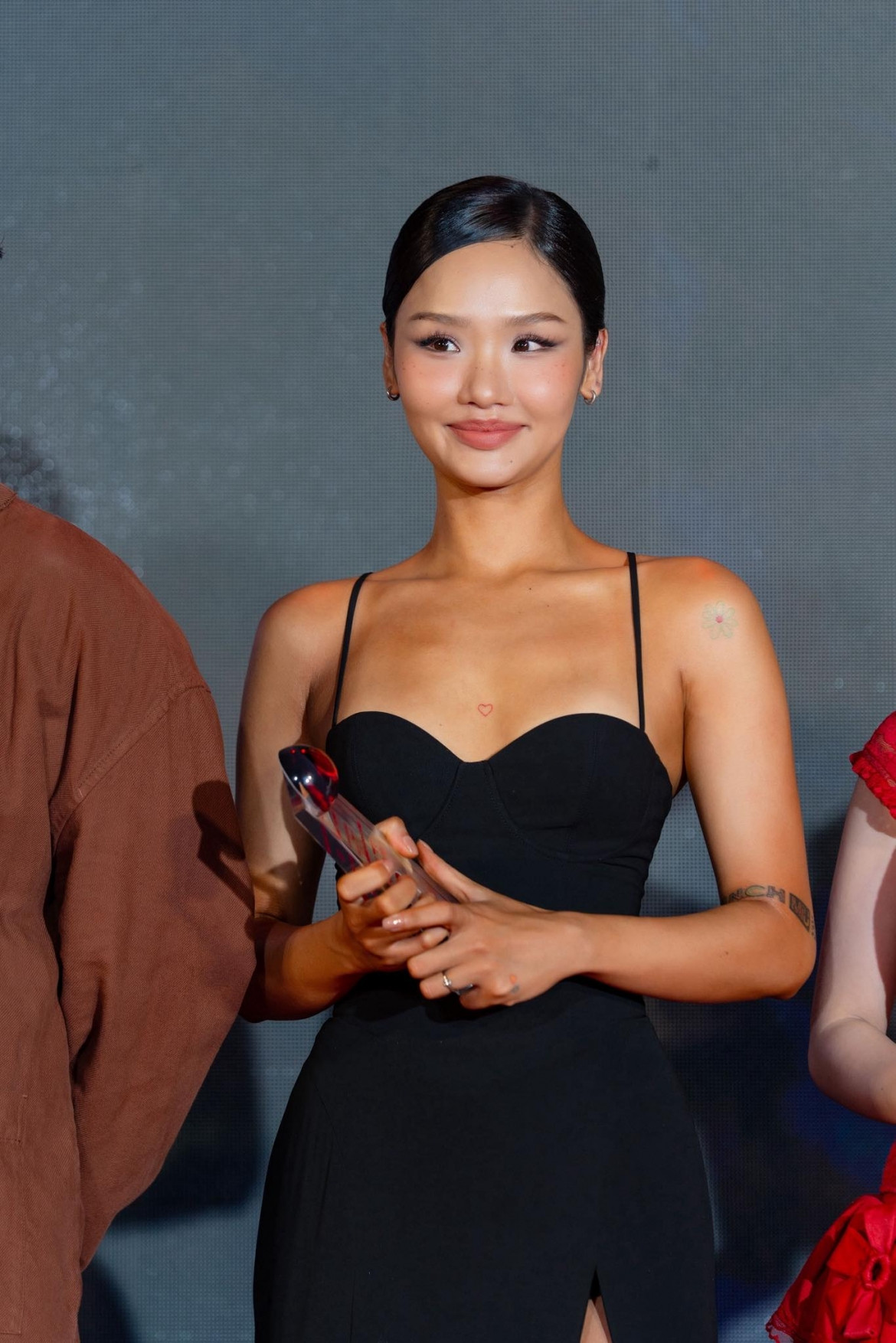
Artists do not benefit from any immunity.
Sharing information is either complicity or a choice. When the public learns to shy away from subterfuge, to avoid blind idolatry, to refrain from turning misdeeds into entertainment, and to no longer tolerate deviant lifestyles simply because someone is famous, then the “culture of scandal” will naturally lose its fertile soil.
From a management perspective, over the years we have implemented regulations regarding the code of conduct for artists, sanctions for violations in the fields of culture and advertising, as well as liability in cyberspace. However, experience shows that regulations only have a real impact when they are applied rigorously, quickly and consistently.
When it comes to violating the law, the principle must be clear: all citizens are equal before the law, and artists do not benefit from any immunity. Celebrity cannot be used as an excuse to cover up wrongdoing.
Regarding violations of professional ethics, inappropriate statements, misleading advertising and offensive behavior, a flexible but dissuasive mechanism is necessary to manage them.
Not all mistakes are created equal, and not all wrongdoing is irremediable, but every wrongdoing must have consequences. Any apology must be accompanied by reparation. Any return to public must be based on awareness, a sense of responsibility and real change.
I believe it is time to consider artists and celebrities, in the digital world, as actors exercising a particular social influence. They don’t just perform on stage; They also “play” a role in every post, every live stream, every advertising deal, and every personal image they share online.
Therefore, the code of conduct must also be more specific to the digital environment: artists must be responsible for their statements, the products they promote, the content they distribute and the fan communities they influence.
No sanction can replace self-respect.
But in the end, the essential remains the cultural consciousness of the artist. No sanction can replace self-respect. No regulation is sufficiently restrictive if the artist does not understand that talent only has true meaning when placed in the context of personality.
The public can forgive someone who recognizes their mistakes, corrects them and adopts more responsible conduct. But it is difficult for him to continue to appreciate someone who flouts norms, exploits his audience and considers attention as an end in itself.
I still believe that there are many respectable artists in Vietnamese entertainment who work discreetly, contribute tirelessly and beautify life quietly. They remind us that art is not synonymous with scandal, fame is not synonymous with privilege and the stage is not a place where glamor masks the true nature of people. These artists are the true foundation of public trust.
Today’s young generation of artists enjoys more opportunities than ever before. It has digital platforms, a huge and open market, the possibility of reaching a global audience and the means to promote Vietnamese music, cinema, fashion and art throughout the world.
But with great opportunities comes great responsibilities. Young people must understand that fame is not an end in itself. Being loved is not just a question of luck, but a cultural debt that must be repaid through work, a healthy life and civic commitment. A scandal can propel a person to the forefront for a few days. But a quality work of art can stand the test of time. The life of a self-respecting artist can inspire generations.
The Vietnamese entertainment world is not lacking in glamour. What we need now is to make this glamor purer, warmer and more human. When artists learn to introspect, when the public knows how to discern values, when regulatory bodies rigorously apply the rules and when society, collectively, values beauty, then we will have a world of entertainment that is not only dynamic, but also healthy, civilized and a source of pride.
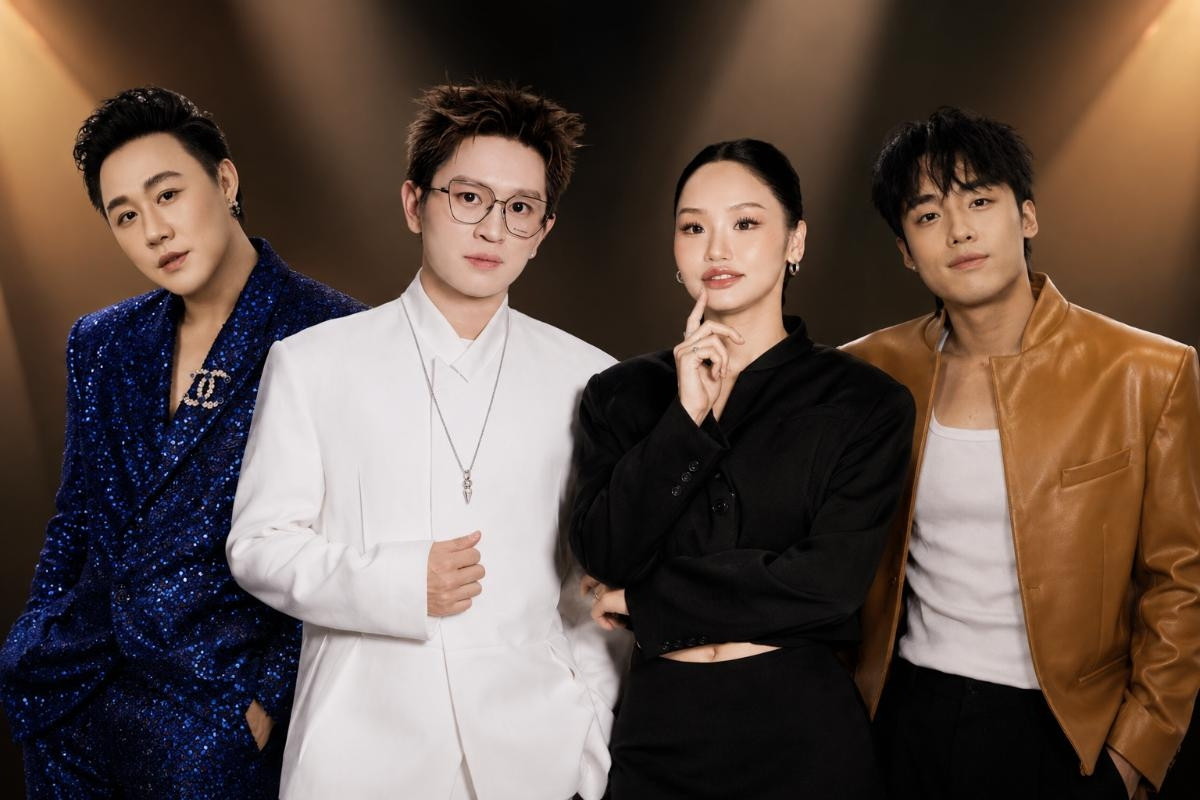
Vietnamese showbiz at the start of 2026: 4 divorces, 2 consecutive drug-related scandals . Vietnamese showbiz was the scene of a series of resounding scandals at the start of 2026: Miu Le arrested for drug possession, Hai Dang Doo suspected of using nitrous oxide; the insulting rap of B Ray; Trung Quan accused of sexual assault…
Source : https://vietnamnet.vn/khan-gia-viet-doi-showbiz-sach-nhung-lai-qua-quan-tam-doi-tu-noi-dung-doc-hai-2517764.html