In the midst of a conflict with Tehran, the U.S. administration has announced its authorization to sell and deliver Iranian oil currently circulating at sea. This move aims to increase the global supply by about 140 million barrels, in hopes to slow down the surge in energy prices fueled by the war it initiated. However, the maneuver, which benefits Iran significantly, raises concerns among experts.
While military tensions persist, Washington has made a surprising decision to address the rising oil prices. The U.S. authorized the sale and delivery of Iranian oil and its derivatives on ships. This decision is a response to the spike in oil prices due to the blockage of the Strait of Hormuz, a critical passage for global oil and gas, and attacks on energy infrastructure in the Middle East.
The easing of sanctions, announced by the U.S. Treasury, applies to barrels in circulation before March 20, extending until April 19. The Treasury Service carefully designed this authorization for short-term sales, emphasizing that it does not allow new purchases or production. This strategic move is intended to bring approximately 140 million barrels of Iranian oil quickly to the global market to alleviate pressures on supply temporarily.
The U.S. administration believes this strategy will pay off in the long run. By using Iranian barrels against Tehran to keep oil prices low, they continue their military operation while leveraging the oil market. Officials assure that this oil is now being shipped to China at lower costs and will eventually be exported to other countries. The U.S. remains committed to exerting maximum pressure on Iran despite these developments.
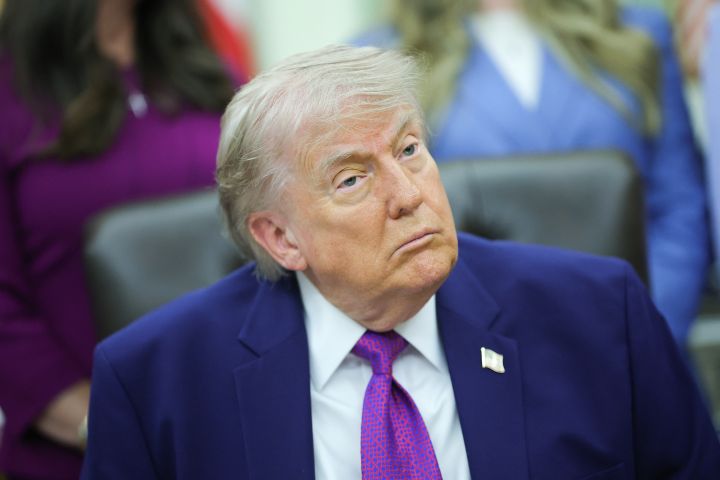
However, American media outlets see this decision as a sign of vulnerability. The Washington Post views it as aiding Iran in its war efforts against the U.S., prompting skepticism among lawmakers and analysts. The move is also seen as a desperate measure by the Trump administration. CNN reports efforts to increase oil circulation as a response to the ongoing crisis in the Middle East, but it remains uncertain how effective this will be on global oil prices.
In response, Iran claims to have no surplus of crude oil at sea, challenging the U.S. narrative. As these sanctions relief measures unfold, they stir up controversy domestically. Critics accuse the Trump administration of providing a financial lifeline to the Iranian regime while Americans bear the consequences of ongoing conflicts. Democratic Senator Jeanne Shaheen criticized the lack of a clear plan from the President regarding this decision, highlighting the political division it has sparked.
By M.L. with AFP

:fill(black)/2026/05/11/6a019e05642bf587470897.jpg "Sauerkraut Becomes a Trend in the United States")