1. The Fed maintains its interest rates unchanged despite rising inflation and anticipated economic risks: On March 18 (local time), the Federal Reserve (Fed) decided to keep its interest rates unchanged between 3.5% and 3.75%, while foreseeing an increase in inflation, stable unemployment, and only one rate cut this year. This decision comes as Fed officials assess the economic risks associated with the Israel-Iran conflict.
2. United Kingdom: Inflation accelerates with rising energy prices: Soaring energy prices are fueling inflation in the UK, putting pressure on the Bank of England and the government to both stimulate economic growth and control the cost of living. According to independent forecasts from the British Treasury, economists now anticipate inflation of 2.6% in the fourth quarter of 2026, significantly higher than the 1.9% projected by the UK’s independent budget watchdog (OBR) in early March 2026.
3. United States warns against the practice of “personnel circumvention” by tech giants: The director of the US Department of Justice’s antitrust agency declared on March 18 that companies’ attempts to circumvent antitrust control through tactics such as “personnel circumvention” are a “red flag.” The term “personnel circumvention” refers to the practice where major global technology companies spend considerable sums to acquire the technology and talent of promising startups without a formal acquisition.
4. EU takes a significant step towards implementing the trade agreement with the United States: On March 19, Members of the European Parliament took a significant step towards implementing the trade agreement with the United States, which had been stalled since the US Supreme Court rejected several tariffs imposed by President Donald Trump in April 2025. The European Parliament’s trade committee voted in favor of tariff reductions on certain American imports, in line with the agreement reached in August 2025. However, MEPs announced additional safeguards.
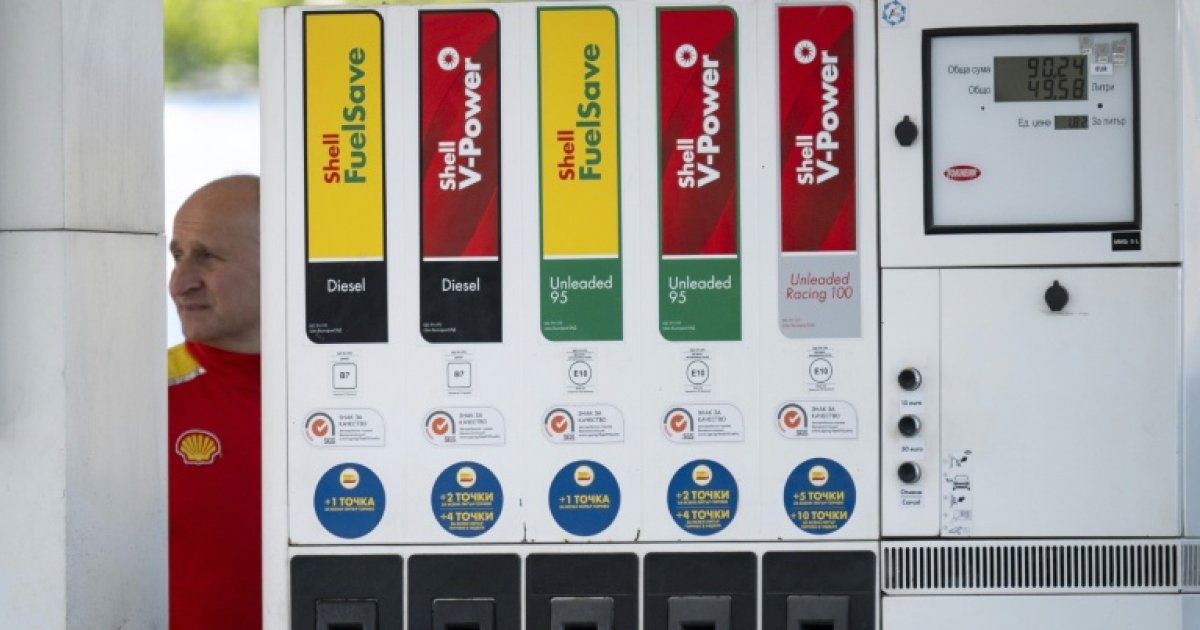
5. Global oil prices approach $120/barrel: Global oil prices continued to rise on March 19, with attacks on energy infrastructure in the Middle East raising fears of further supply disruptions. At 16:48 (Vietnam time) on March 19, North Sea Brent rose by over 10% to reach $119.13/barrel, while US WTI gained 2.6% to $98.81/barrel. On the same day, the conflict in the Middle East escalated with Iranian missile attacks on the world’s largest liquefied natural gas (LNG) facility in Qatar, and drone strikes on oil refineries in Saudi Arabia and Kuwait.
6. ECB keeps interest rates unchanged for the sixth consecutive monetary policy meeting: The European Central Bank (ECB) kept its interest rates at 2% at its meeting on March 19, for the sixth consecutive time. The bank stated that its current interest rate stance remained appropriate, while emphasizing that it would continue to manage its policy on a case-by-case basis. The ECB warned that the conflict in the Middle East could impact the region’s inflation and economic growth prospects.