On May 7, 2026 | Updated on May 7, 2026
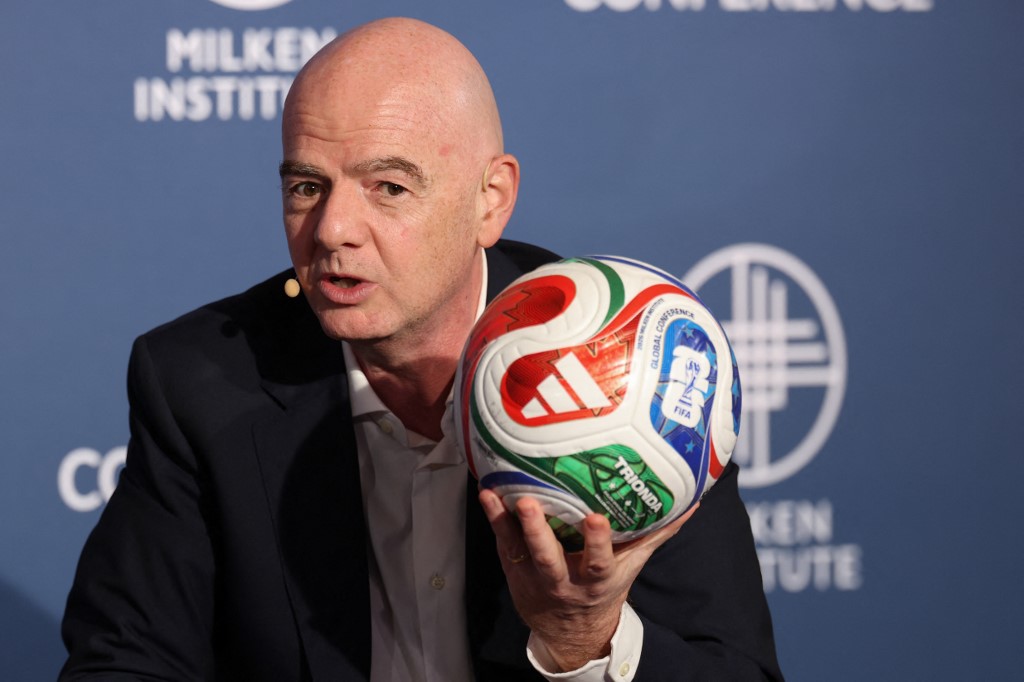
Gianni Infantino, the president of the International Federation of Association Football (FIFA), tried to justify, on Wednesday, May 6, the exorbitant prices of tickets for the World Cup football, which will start on June 11.
With just over a month to go before the start of the 2026 World Cup in North America, FIFA is facing numerous criticisms. From the prices of tickets, which can reach $11,000, to speculative resale and the high cost of accommodation and transportation (matches taking place in three different countries), supporters have many reasons to be upset about this increasingly business-oriented football that is becoming less and less accessible.
Not standing on solid ground, Gianni Infantino, the president of FIFA, tried to justify, on Wednesday, May 6, the exorbitant prices of tickets for the World Cup, which will take place in the United States, Canada, and Mexico starting from June 11. Tickets for the final indeed reach nearly $11,000, while the ticket resale market continues to soar, with four tickets even surpassing two million dollars on the official marketplace (a price set by the reseller and not the institution but on which the latter still levies a 15% commission, amounting to $690,000 in this case). “Extortion,” a “monumental betrayal,” criticized the organization Football Supporters Europe. This is a huge sum, much higher than the prices for the most expensive tickets for the final of the 2022 World Cup in Qatar, which were around $1,600.
Gianni the clown
“If someone buys a ticket for the final for 2 million dollars, I will personally bring them a hot dog and a Coca-Cola,” Gianni Infantino first joked before explaining this price surge by the need to take into account the economic situation. “We are evolving in the country where the entertainment market is the most developed in the world. We must therefore apply market rates,” he added, noting that 25% of tickets for the group stages will cost less than $300. But this overlooks the particularly high costs of accommodation and transportation, as the World Cup will be held in three different countries, forcing supporters to travel to several stadiums, which are sometimes far apart.
Above all, who can really afford a ticket to the final for $11,000? In the United States, the average annual salary is $55,000, while that of a worker barely reaches $36,500 – equivalent to the price of three tickets for the upcoming final. And if the said worker wanted to buy one of the golden-priced tickets offered by the official FIFA resale site, that would amount to fifty-four years of work. Quite a stretch!
Increasing disconnect
Behind these dizzying prices lies the question of an increasingly disconnected football. With each edition, the World Cup becomes a luxury product strictly reserved for the elite – far from the historical values defended by this sport and the lifestyle of the vast majority of supporters, over a billion of whom were watching the France-Argentina final on their TV sets in 2022.
At the same time, FIFA continues to generate more and more money. In December, it announced allocating a total of $727 million to the 48 teams participating in the World Cup, a 50% increase compared to the previous edition in Qatar (which, however, had fewer participating teams) – an unprecedented amount in the world of football.