Donald Trump announced on Saturday that he would study a new peace plan for the Middle East conflict, warning that he is unlikely to accept it and hinting at the possibility of further military operations. The situation between the two countries has been deadlocked since a ceasefire took effect on April 8, after nearly 40 days of Israeli-American strikes on Iran and Tehran’s retaliations in the region.
An Iranian military official, Mohammad Jafar Asadi, said on Saturday that a resumption of war with the United States was “likely,” as direct talks in Islamabad on April 11 proved fruitless due to strong disagreements, from the Strait of Hormuz to the nuclear issue. Iranian news agencies reported that Iran has submitted a 14-point plan to Washington via Pakistan to end the conflict within 30 days.
Donald Trump Doubts the Plan Will Be Acceptable
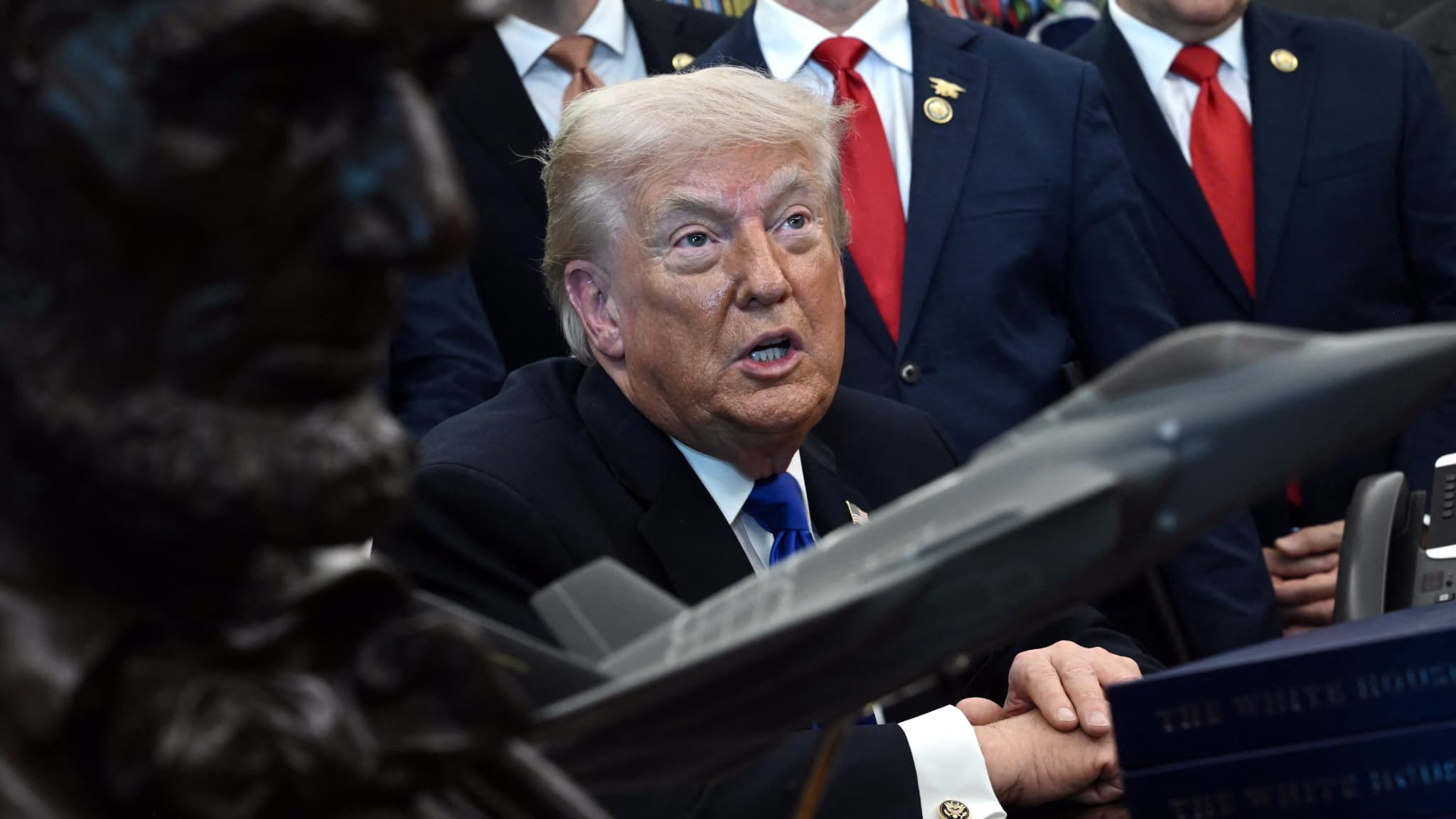
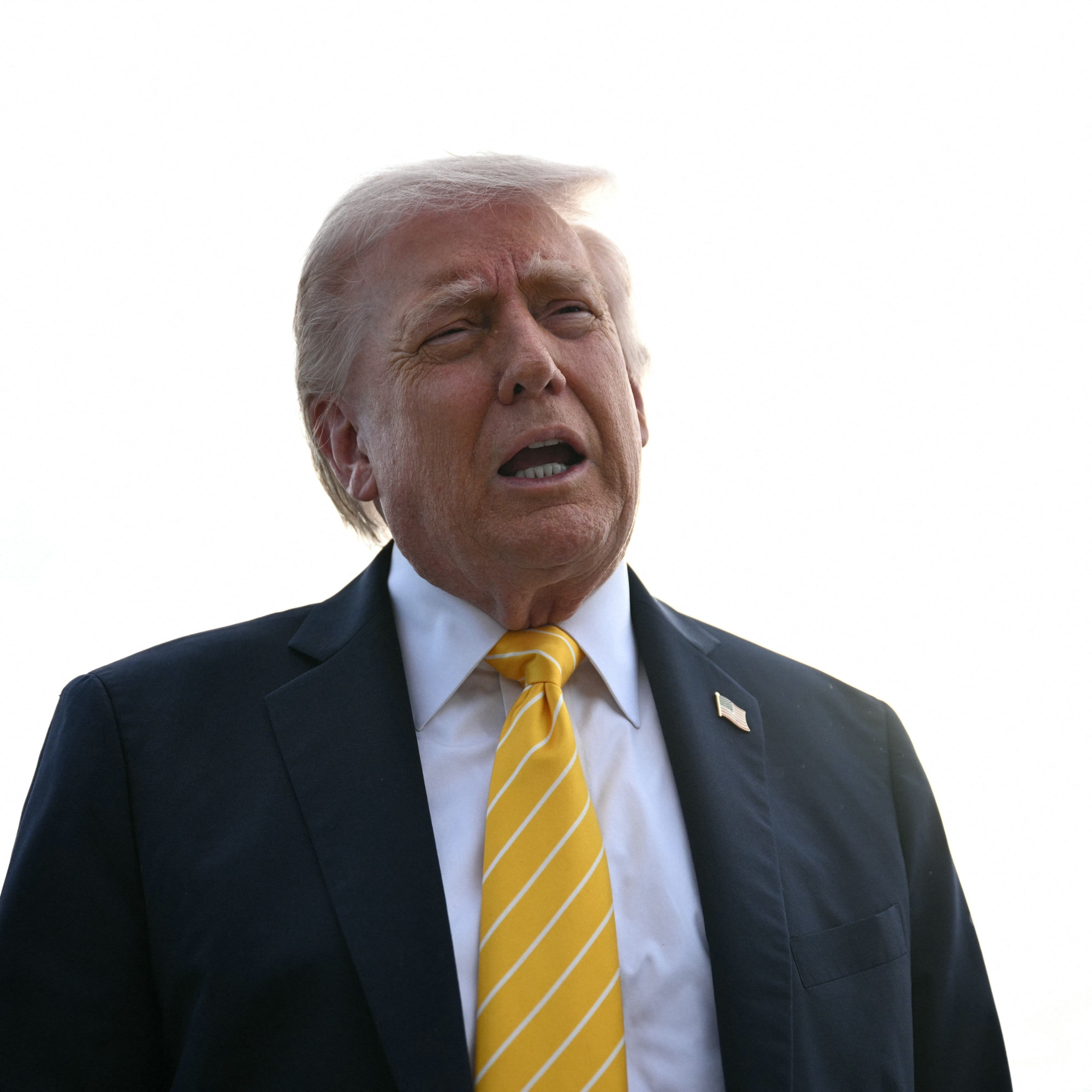
“I am going to study a plan that Iran has just submitted to us,” the American president announced on his Truth Social platform, “but I cannot imagine it being acceptable, because (the Iranians) have not yet paid a sufficient price for what they have done to Humanity and the World for 47 years” and since the establishment of the Islamic Republic. Tehran reportedly demands in this plan the withdrawal of US forces from areas near Iran, the lifting of the blockade on Iranian ports, the unfreezing of Iranian assets, reparations, lifting of sanctions, a “mechanism” regarding the Strait of Hormuz, and “the end of war on all fronts, including Lebanon.”
On the latter front, Israel conducted a series of new strikes on Saturday that killed at least three people in the south of the country, according to the official Lebanese news agency. The Israeli army claimed to have targeted dozens of pro-Iranian Hezbollah sites. Tasnim did not mention the nuclear issue, which is a central concern for the United States and Israel, who accuse Iran of seeking to acquire nuclear weapons – a claim the country denies.
Iran had already sent a new text this week via Pakistan, with no details revealed. Whether the war continues or a diplomatic path is sought, Tehran is “ready” for both scenarios, and “the ball is in the US court,” said Kazem Gharibabadi, Iran’s Deputy Foreign Minister. The war has resulted in thousands of deaths, mainly in Iran and Lebanon, with ongoing economic repercussions globally, as oil prices have surged to levels unseen since 2022.
A Letter Sent to Parliamentary Officials
While the bombings have ceased, the conflict persists in other forms: Washington has imposed a blockade on Iranian ports in response to Tehran’s blockage of the Strait of Hormuz, through which a fifth of the world’s consumed hydrocarbons used to pass. When questioned by journalists on Saturday night in Florida, Donald Trump refused to elaborate on what could trigger new military operations against Iran.
“If they behave badly, if they do something wrong, but for now, we’ll see,” he said. “But it’s certainly a possibility.” The Republican theoretically had until Friday to seek Congressional authorization to continue the war. Instead, he chose to send a letter to parliamentary officials notifying them that hostilities against Iran were “over,” even though several Democratic lawmakers noted that the continued presence of forces in the region indicated otherwise.
The war, highly unpopular in the United States, has fueled discontent against Donald Trump, who is under pressure to find a solution as the country is just six months away from crucial mid-term elections. In Iran, while the population has somewhat returned to normalcy with the ceasefire, daily life is overshadowed by soaring inflation and unemployment, in a country already weakened by decades of international sanctions.
Amir, 40, shared starting his day by “watching the news and the reports of executions.” The Iranian judiciary announced on Saturday the hanging of two men accused of spying for Israel. “People are trying to cope, but we can see that they are falling apart,” he said, recounting having “panic attacks six times a day.”