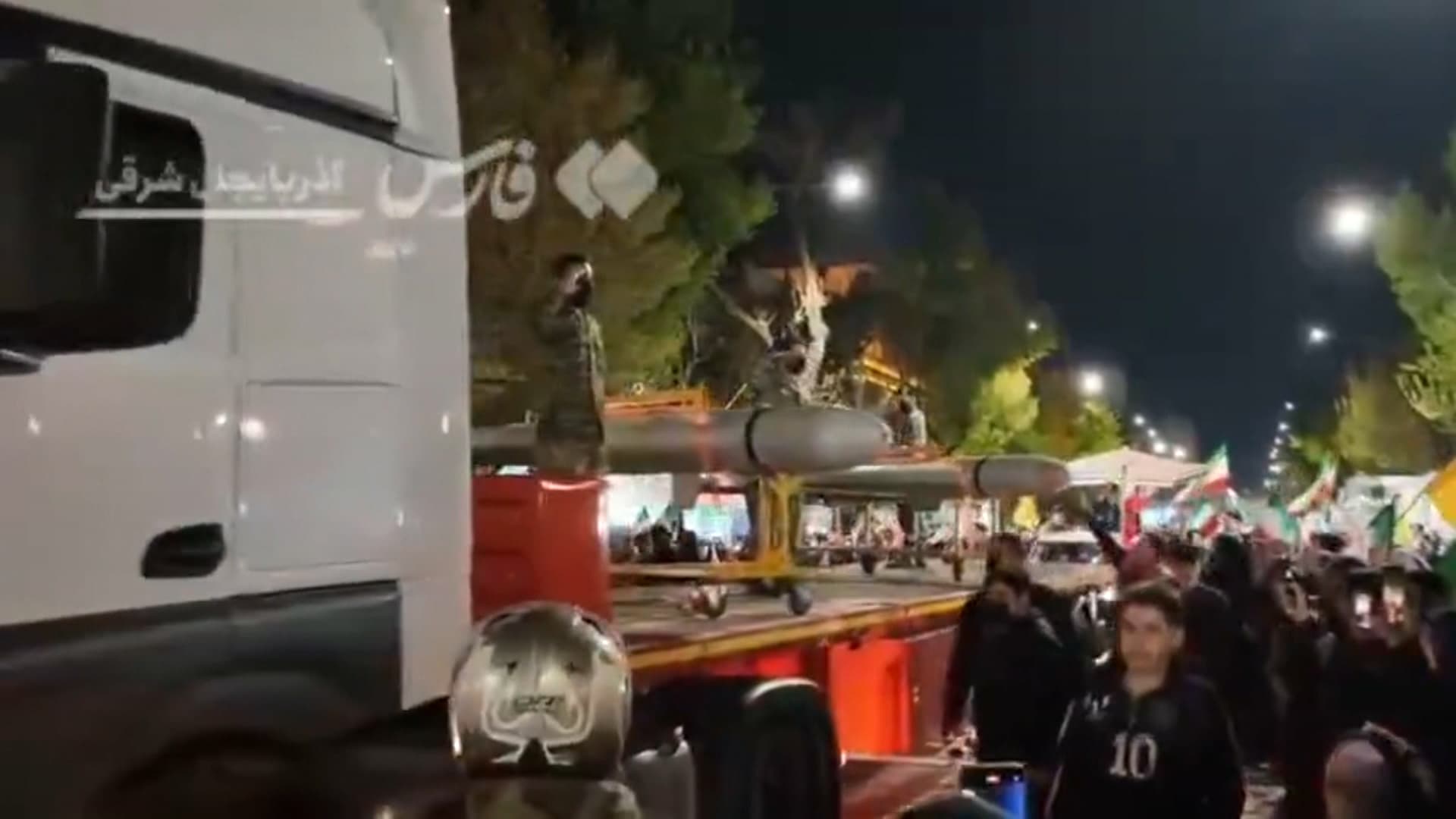
On April 18 and 19, Mali was the target of numerous simultaneous attacks on several locations in the country.
On April 18, the Support Group for Islam and Muslims (SGIM), also known as “Jamaat Nusrat al-Islam wal-Muslimin” (JNIM) affiliated with Al-Qaeda, claimed responsibility for this operation carried out in coordination with the Azawad Liberation Front (FLA) against positions of the Malian junta in Bamako and several important cities in the Sahelian country.
The GSIM justified its alliance with the FLA by emphasizing that the latter had abandoned secularism. For its part, the FLA explained its alliance with the GSIM, considering it as “a group committed to defending the people against the Bamako regime.”
It appears that this plan, prepared for months, aimed to attract maximum Malian forces to the south to prevent them from aiding the units under attack in the north. Only helicopters were able to intervene to provide air-to-ground fire support. One was shot down.
Mohamed Ould Ramdane, the FLA spokesperson, stated that Kidal fell on April 18 and operations are ongoing. In 2023, the Malian Armed Forces, assisted by the Wagner Group, recaptured the city of Kidal, ending over a decade of Tuareg separatist group dominance.
He also mentioned that several locations in the Gao region are now under FLA control.
On the ground, following an agreement via Algeria, the Africa Corps forces (accompanied by Malian army members and officials) evacuated their positions in Kidal. Their final destination is currently unknown.
The FLA also sent a message to the authorities of Burkina Faso and Niger, allies of Bamako in the Sahelian alliance, urging them to distance themselves from the events in Mali.
In a subsequent statement, Mohamed Ould Ramdane affirmed that the strategic goal of the FLA was the complete liberation of Azawad and re-establishment of control, stating readiness to cooperate with any party towards this objective, including overthrowing the current regime in Bamako.
Observers draw parallels, albeit with caution, between the situation in Mali and the events in Syria following the fall of Bashar al-Assad’s regime in December 2024.
The Russian Ministry of Foreign Affairs condemned the terrorist actions in Mali in April, warning of the negative repercussions for the region’s stability.
The Malian Armed Forces General Staff issued a statement on April 19 indicating continued pursuit of armed terrorist groups in Kidal, Kati, and other locations. Security measures have been heightened nationwide.
Currently, General Assimi Goïta, head of the junta, has not been seen since the Kati attack, with reports suggesting he has been relocated to a special forces camp near Bamako.
Historically, Mali has faced a security crisis since 2012 due to violence from jihadist groups like Al-Qaeda and the Islamic State, as well as criminal groups and Tuareg separatists.
In a significant development, the Russia-Mali agreement for resource exploitation in northern Mali may be affected by recent events, potentially impacting Russian support for the Malian junta.
The Africa Corps, established in November 2023 by the Russian Ministry of Defense, replaced the Wagner Group military company, following the demise of its leader in a plane crash in Russia.
The African Union strongly condemned the attacks, warning of significant dangers to civilian populations.
The situation in Mali remains unpredictable for the future.

/2026/04/24/69eb6bbaeb005611327839.jpg "Michelle Bachelet, Rafael Grossi, Macky Sall… Who are the four candidates in the running to lead the UN in 2027?")