By Panu Wongcha-um
More than 30 million people are expected to be plunged back into poverty worldwide due to the repercussions of the war in Iran, United Nations development chief Alexander De Croo said on Thursday.
Fertilizer shortages worsened by the blockade of cargo ships in the Strait of Hormuz have already decreased agricultural productivity, said the administrator of the UN Development Programme (UNDP) to Reuters.
This is expected to affect agricultural yields later in the year, added Alexander De Croo, former Belgian Prime Minister.
“Food insecurity will reach its peak in a few months – and there is not much that can be done to remedy it,” he said, also listing other consequences of the crisis, including energy shortages and a decrease in remittances.
“Even if the war ended tomorrow, these effects are already in place, and they will push more than 30 million people back into poverty,” he declared.
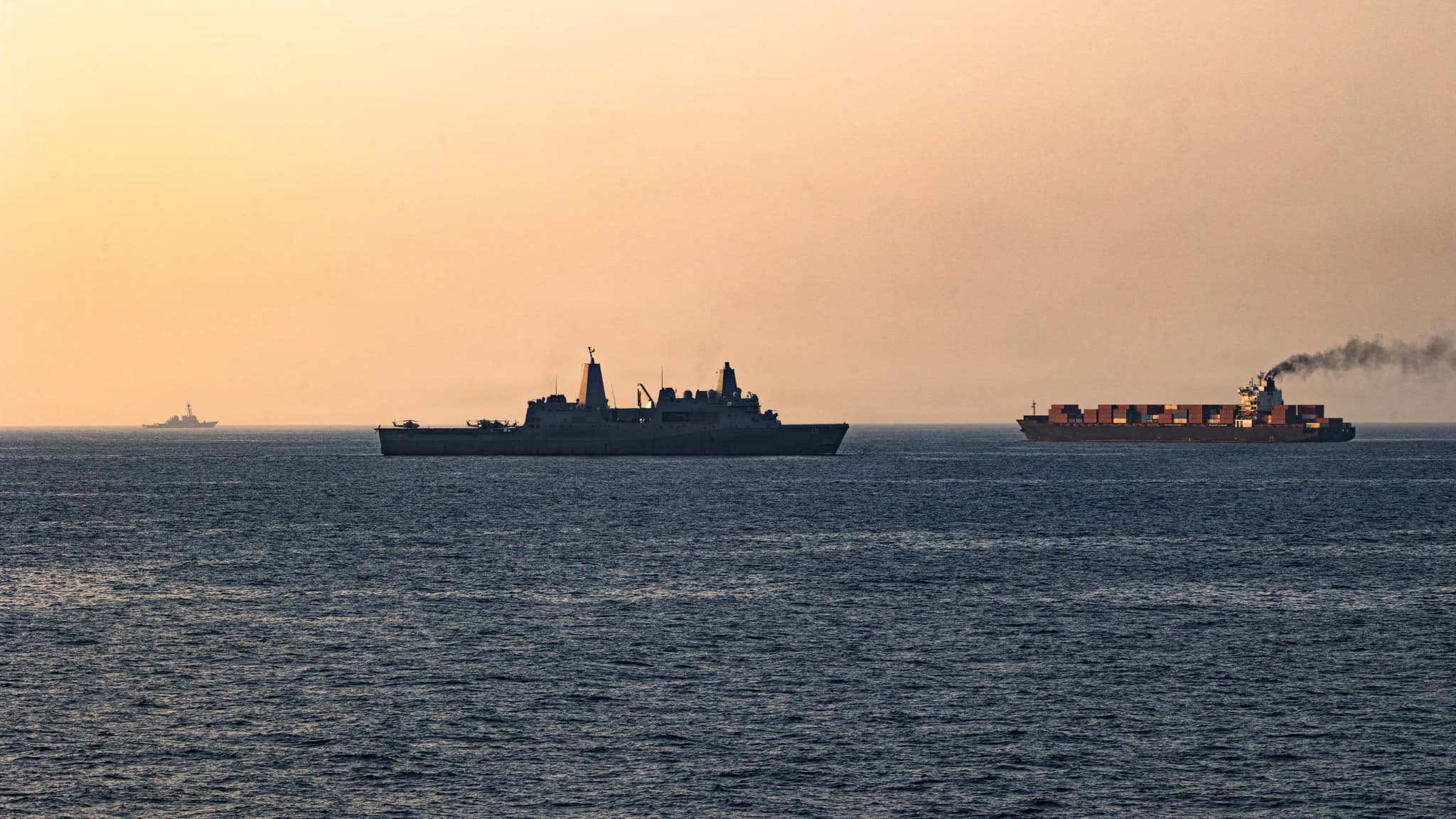
A significant portion of global fertilizers is produced in the Middle East, and a third of global supplies pass through the closed Strait of Hormuz, which is disputed by Iran and the United States.
Earlier this month, the World Bank, International Monetary Fund, and UN World Food Programme warned that the war in the Middle East would drive up food prices.
Alexander De Croo stated that the crisis had already led to a loss of about 0.5% to 0.8% of the global Gross Domestic Product (GDP).
“What takes decades to build can be destroyed in eight weeks of war.”
The conflict is also testing humanitarian efforts, as funding decreases and needs increase in regions already facing severe emergencies, including Sudan, Gaza, and Ukraine.
“We may have to tell some people: ‘We are truly sorry, but we cannot help you,'” noted Alexander De Croo.
“People who survive thanks to aid will no longer be able to rely on it and will find themselves in an even more precarious situation.”
(By Panu Wongcha-um; French version by Etienne Breban, edited by Benoit Van Overstraeten)