On a backdrop of uncertainties about their outcome, Pakistan is hosting American and Iranian representatives for talks on Saturday, April 11. American Vice President J.D. Vance has arrived in Islamabad to lead this summit meeting with the Iranian delegation, notably led by their Foreign Minister Abbas Araghtchi.
Four days after agreeing to a ceasefire, the negotiations are looking tense. Despite Donald Trump being “very optimistic” about a peace agreement, several points of the plan presented by Iran to Washington could escalate tensions between the two belligerents.
Because the gap between the parties remains huge. The American proposal, consisting of 15 points, focuses on Iranian enriched uranium, ballistic missiles, easing sanctions, and the reopening of the Strait of Hormuz. The Iranian plan in 10 points demands control of the strait, with tolls for ships passing through, the end of military operations in the region, and the lifting of sanctions.
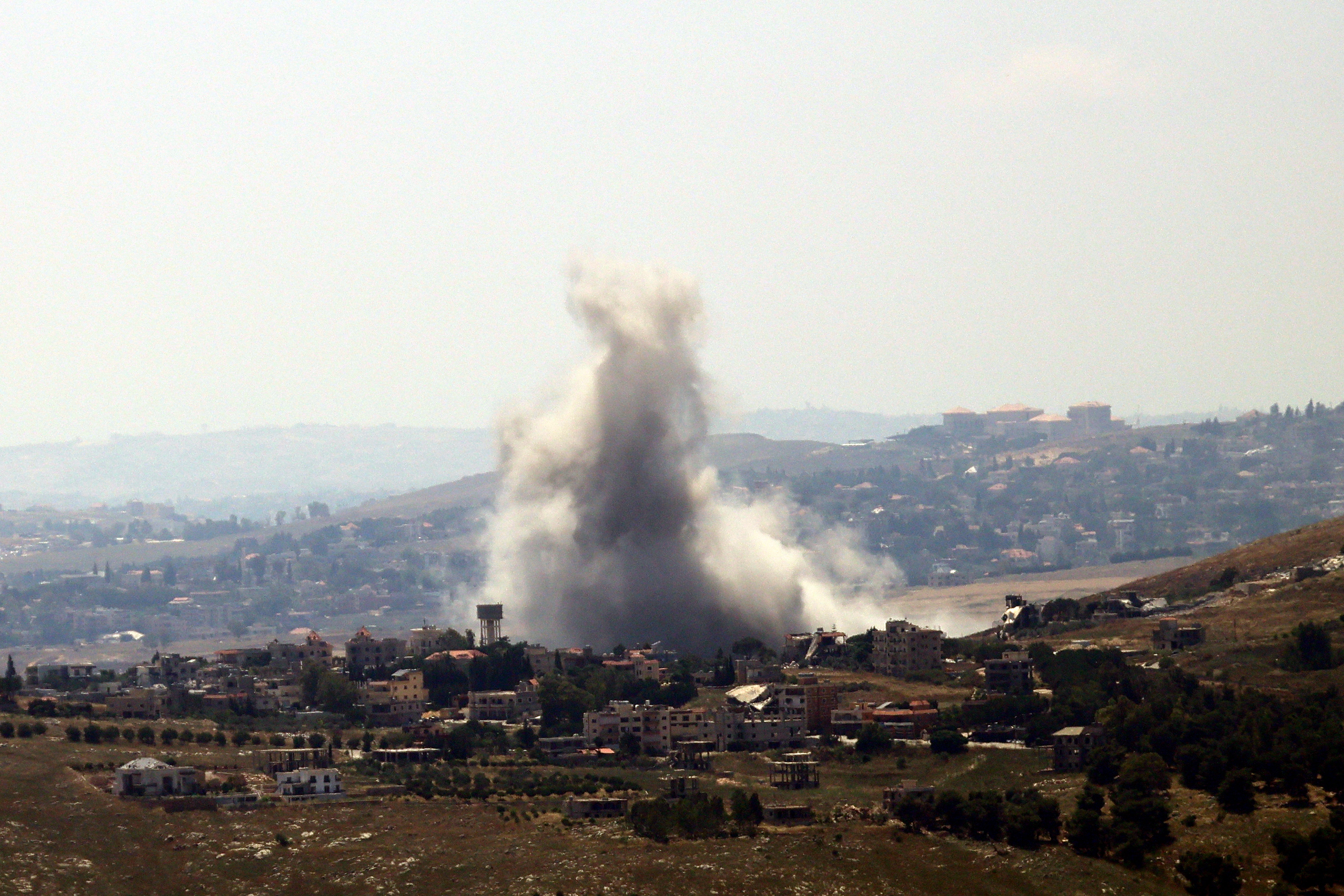
The Iranian plan in 10 points, requiring the withdrawal of American forces from the region and a guarantee of non-aggression from the United States, also calls for the “cessation of war on all fronts,” including in Lebanon. A provision challenged by Israel, who believes that the agreement “does not include” the country of cedar and continues airstrikes on the country, resulting in over 300 deaths on Wednesday alone. Strikes that render the negotiations “meaningless,” according to Iranian President Massoud Pezeshkian. Tehran also demands compensation for “all damages inflicted” on the country.
After 40 days of war, the Iranian regime emerges weakened but has not surrendered.
Revealed by the Iranian news agency Tasnim and the American network CNN, this plan has been strongly criticized by Washington, who believes it diverges from the “viable basis for negotiations” mentioned by the American president. Of the ten points it contains, eight would place Tehran in a much more favorable position than before the war started on February 28, including three highly sensitive issues.
1. The Future of the Strait of Hormuz
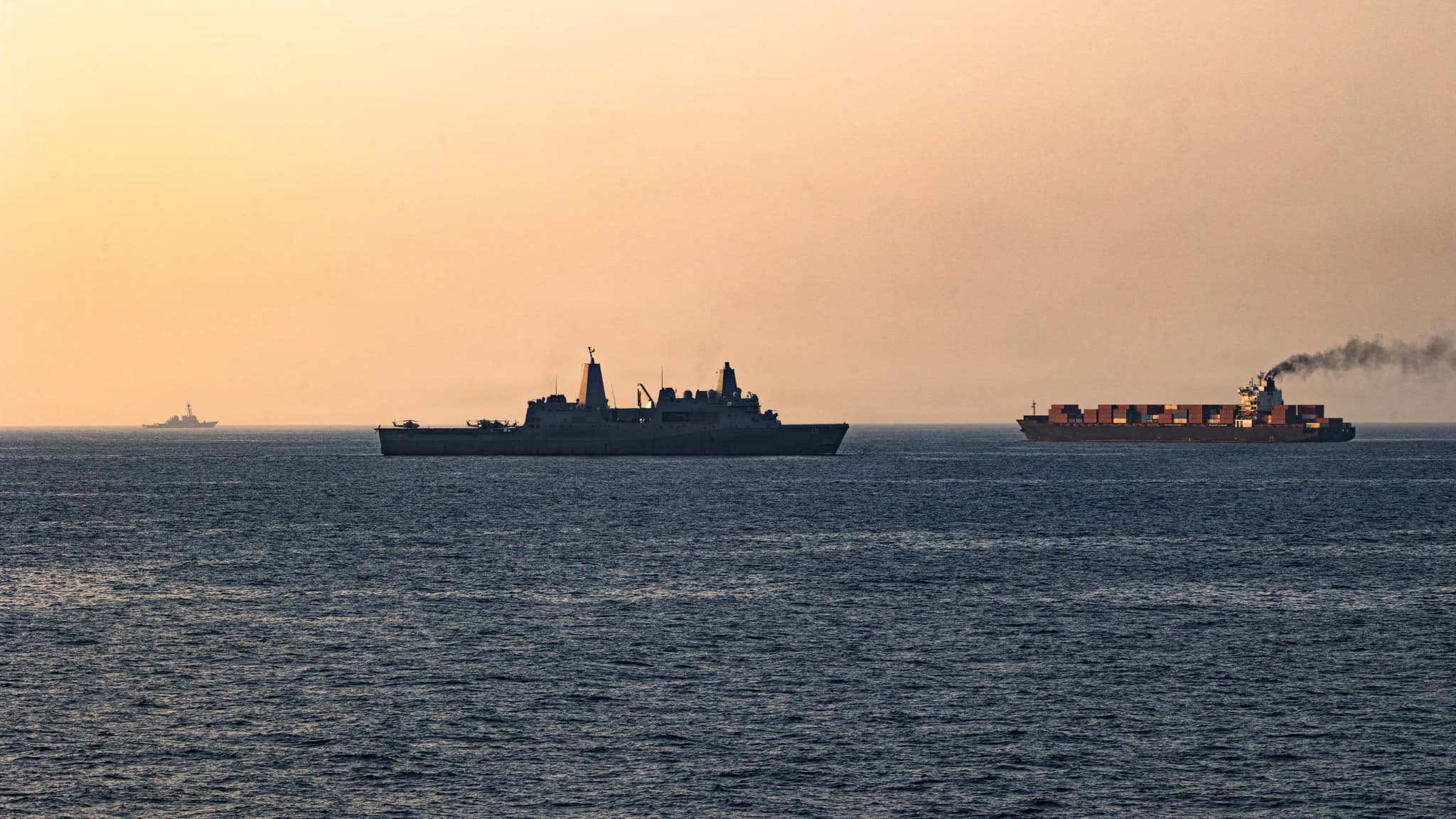
The fate of the Strait of Hormuz is a first point of contention. This maritime corridor, through which nearly a fifth of the world’s oil and liquefied natural gas pass in normal times, was among the conditions set by Washington for a ceasefire. Since the truce was announced, traffic there remains very limited, similar to that of recent days.
In its plan, Iran demands “the maintenance of control” over this strategic passage, disregarding international law. On Thursday, Tehran asked ships to take two alternative routes, closer to its coasts than the usual route, which mostly borders Oman. Surveillance that could be accompanied by a toll mechanism, estimated at “Financial Times” to be $1 per barrel of oil passing through the strait, payable in cryptocurrency.
Having praised an “excellent thing” on ABC News on Wednesday, even mentioning a possible lucrative cooperation between Tehran and Washington, Donald Trump suddenly changed course on Thursday evening. On Truth Social, the American president warned Iran, stating that it was “imperative [that these passage rights] cease immediately!” Before accusing Iran in another message of doing “a very bad job” regarding oil shipments.
2. The Crucial Question of Iranian Uranium Enrichment
Another subject of tension is Iranian nuclear issue. The plan asserts “Iran’s right to enrich uranium,” a technology that can be used to make atomic weapons. This demand clashes with the American position, which calls for the dismantlement of the Iranian nuclear program, as in its own peace plan rejected by Iran on March 25.
Especially since an inconsistency arose when the proposals were released: while the point about Iranian uranium is present in the Persian version disseminated by Iranian state media, it is absent from the English version shared by the UN.
Nuclear deterrence: why a few kilograms of uranium can weigh on global balance
On Wednesday, Donald Trump reiterated that “there would be no uranium enrichment,” citing cooperation between Washington and Tehran to unearth “all deeply buried nuclear ‘dust'”. The next day, the head of the Iranian Atomic Energy Organization, Mohammad Esclami, in an interview with the Iranian agency Isna, ruled out any restriction on the program, emphasizing that it was just “empty promises that will be buried.” Two speeches and two radically different roadmaps.
3. The Removal of All Sanctions Against Tehran
Iran finally demands the lifting of all “primary” and “secondary” sanctions against it. These measures include prohibiting the sale and transport of Iranian fuel or freezing assets.
Tehran also calls for the repeal of all UN Security Council resolutions, as well as those of the International Atomic Energy Agency (IAEA) Board of Governors, also required. In recent years, the agency has regularly called on Iran to fulfill its commitments regarding its stocks of enriched uranium by providing information about them.
“But still, the positions differ: Iran sees the lifting of sanctions as a prerequisite for lasting ceasefire, while the White House considers it as a leverage to activate in exchange for concessions. However, the United States seems to indicate an opening: Donald Trump said on Wednesday he preferred to “discuss the lifting of tariffs and sanctions with Iran.”