Ukrainian President Volodymyr Zelensky was welcomed upon his arrival in Damascus by Syrian Foreign Minister Assaad al-Chaibani, in a photograph released on April 5 by the Ukrainian presidential press service.
When the first American and Israeli bombs fell on Iran, Russia seemed poised to benefit from this war due to rising oil prices, strategic diversion from Washington, and the redirection of Western anti-aircraft defense systems to the Gulf at the expense of Ukraine.
However, Ukrainian President Volodymyr Zelensky’s diplomatic activism in the Middle East has reshuffled the deck, challenging Moscow’s influence in the region four years after Russia’s invasion of Ukraine.
Analyst Volodymyr Fessenko noted, “For the first time, to the surprise of some countries, Ukraine is acting as a state capable of providing security services, exporting defense expertise, and security.”
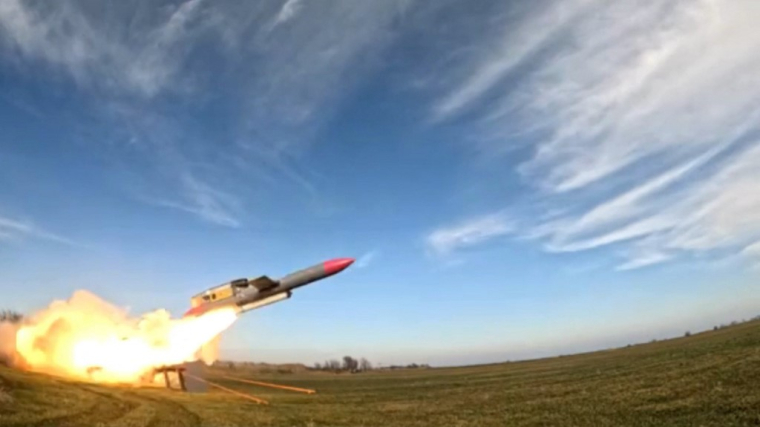
Rapid changes have occurred since 2022 when Kiev lacked modern defense systems, tanks, and artillery ammunition. The proliferation of drones on the battlefield has elevated Ukrainian manufacturers to major players in drone warfare and anti-drone efforts.
“Moscow Irritated”
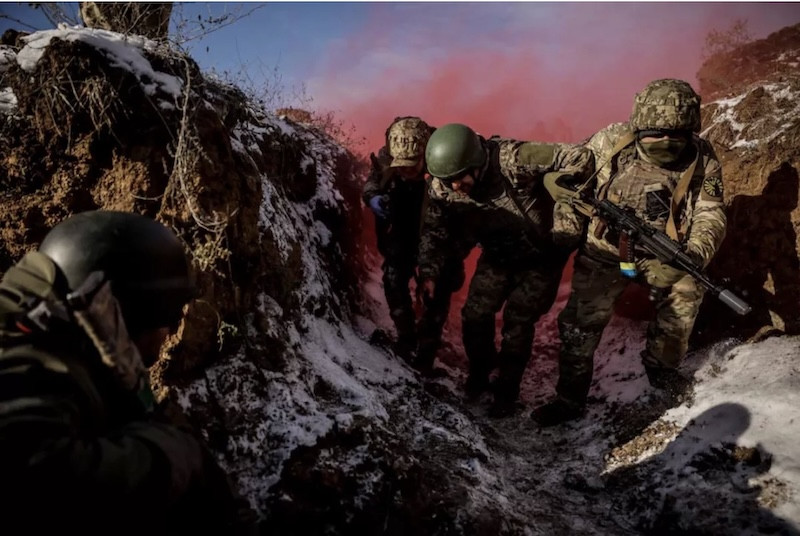
Ukrainian forces neutralize hundreds of Iranian-designed drones launched by Russia every day.
In response to Iran striking back against Israeli-American strikes by deploying drones in the Middle East, Zelensky quickly dispatched over 200 anti-drone specialists to four countries.
The Ukrainian president personally visited Saudi Arabia, the United Arab Emirates, Qatar, Jordan, and Syria, strengthening ties that have irked Moscow.
Russian disinformation campaigns aim to thwart Ukraine’s diplomatic push, spreading false claims about Iran attacking an anti-drone facility in the UAE.
While the concrete benefits of this increased visibility remain to be seen, the potential for financial support and technological advancement is significant.
No Breakthrough Yet
Zelensky believes closer ties with Gulf nations could pressure Russia to end its invasion, but analysts caution against overestimating the impact of these initiatives.
The fallout from the two-week US-Iran truce and the long-term prospects for Ukrainian technology in the region remain uncertain.
Although the region refrains from condemning the Russian invasion and imposing sanctions, many states seek to maintain good relations with both sides to mediate the conflict.
Former Ukrainian diplomat Vadym Trioukhan views the current developments as a cautious step in the right direction, noting that sustained momentum is crucial for future success.
If this pace continues, landing multi-billion-dollar contracts in the coming months may become a realistic prospect.