The Pakistani army on patrol in Islamabad on April 9, 2026, as Pakistan prepares to host high-stakes discussions involving American and Iranian representatives on the Middle East war.
Barricades, deserted streets, and armed patrols in the “red zone” of Islamabad, the capital of Pakistan, have seen heightened security as sensitive negotiations are set to begin on Saturday, April 10, between the United States and Iran. The neighborhood, which houses embassies and key institutions of the country, is now largely inaccessible.
Since Thursday, authorities have declared two exceptional holidays and blocked major routes leading to the zone. Near the Ministry of Foreign Affairs, a luxury hotel, Serena, was evacuated of its guests. It could potentially host the expected delegations this weekend. Tensions may rise in its plush lounges in a few hours, given the differences between the two countries.
On the American side, the White House announced a delegation led by Vice President JD Vance, accompanied by Special Commissioner Steve Witkoff and Jared Kushner, the son-in-law of Donald Trump. The US President has expressed optimism about reaching an agreement despite the disagreements.
Iran’s role in the talks remains uncertain. The participation of Iran’s foreign minister, Abbas Araghtchi, and the Assembly President, Mohammad Ghalibaf, has not been definitively confirmed after conflicting announcements from Tehran. The Iranian Embassy in Islamabad initially mentioned an arrival on Thursday evening but later retracted the statement without further updates.
In recent hours, Tehran has become firmer on the ceasefire issue, insisting that it should also apply to Lebanon, where Israel has carried out strikes recently. This position contradicts Washington’s reluctance to expand discussions to the Lebanese front, which it deems separate. This disagreement is just one of many expected to be at the core of the upcoming exchanges.
The Future of the Strait of Hormuz
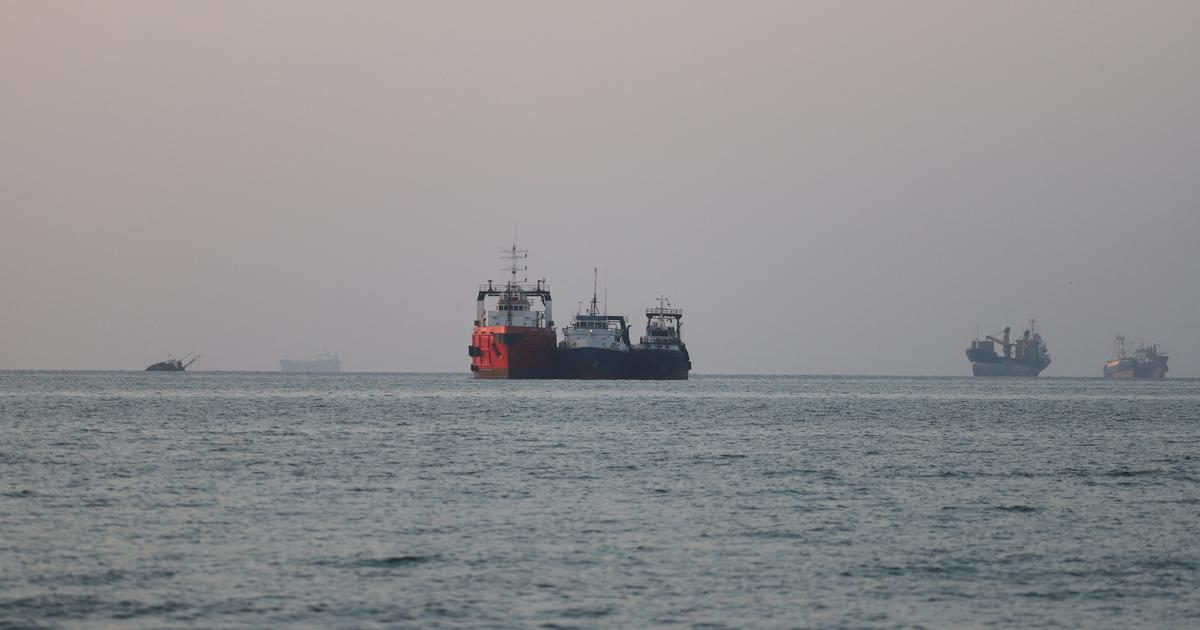
Negotiations are expected to focus on the ten-point list submitted by Tehran on Tuesday to lay the groundwork for a long-term peace agreement. Former President Donald Trump described this proposal as a “viable basis for negotiations”. One key point is maintaining Iranian control over the strategic Strait of Hormuz, through which about 20% of the world’s oil consumption passes.
Tehran suggests implementing a “toll” mechanism on ships, akin to models tested recently. Reports indicate that Iran may demand $1 per barrel of oil passing through the strait, to be paid in cryptocurrencies. Before the crisis, nearly 20 million barrels flowed through it daily.
Regarding uranium enrichment in Iran, Washington’s stance has evolved. Initially open to such mechanisms, Trump even mentioned a possible joint venture and economic benefits. However, he toughened his stance on Thursday, warning Tehran to reconsider immediately if they go ahead with uranium enrichment, stating it would be challenging for the US to portray it positively.