Dogs, rats, seagulls… the veterinary research center on diseases transmissible between animals and humans multiplies scientific studies and asserts its role in surveillance to limit the spread of global epidemics.
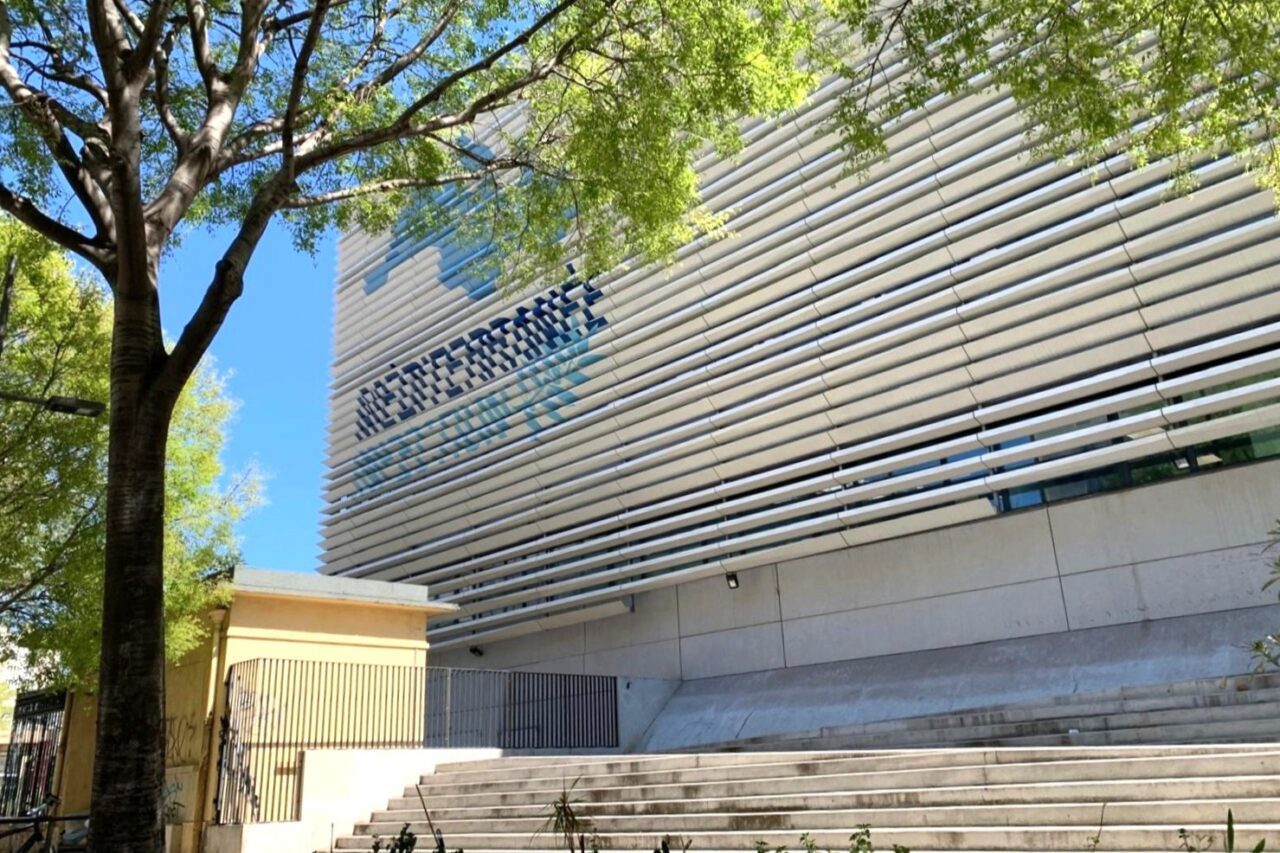
Despite a heavy legacy left by the controversial management of Professor Didier Raoult, the IHU Mediterranean Infection is restructuring since 2022. Without changing its name, the new director of the establishment, Pierre-Edouard Fournier, has chosen a new logo to “give it a new image,” assures the microbiologist.
Timid in communication in recent years, the IHU is taking advantage of the One Health Summit which will take place in Lyon on April 7 to open the doors of its veterinary research center. This global exhibition deals with human, environmental, and animal health as a whole, without opposing them.
This vision that “there is only one health” is shared by the IHU’s veterinary research center. The latter specializes in zoonoses: “diseases or infections naturally transmissible from animals to humans”; according to the WHO. Among them: AIDS, Ebola, monkeypox, or Covid-19.
“A unique center in France”
After 40 years of military veterinary career specializing in dogs, Bernard Davoust founded this laboratory in collaboration with Didier Raoult in 2017. “It is a unique center in France, as it is the only research center on animals integrated into an IHU,” praises the doctor.
Since its creation, the center has conducted both field epidemiological investigations on animals living in proximity to human cases in France and worldwide. But also epidemiological surveillance studies on reservoir animals (participating in the reproduction of a pathogen), vectors (transmitting the disease), or sentinels (preventing the disease).
Bernard Davoust manages a team of three professionals, his two deputies Younes Laidoudi and Samia Bedjaoui, and an Ethiopian doctor Zerehun Asefa Dammessa. Their studies, which have involved 45,000 samples and have led to the publication of a hundred scientific articles, therefore contribute to the reputation of the IHU.
Coypus from Borély, rats from Noailles: concrete cases in Marseille
Experts do not lack concrete examples in Marseille. Three years ago, they studied the corpse of a coypu in Borély Park carrying a disease that “the bacteria mutated to adapt to humans,” says Younes. Nevertheless, it was not transmitted by vectors (mosquitoes, midges) to humans in the region.
In Marseille, other rodents are specifically studied like street rats. The laboratory has identified cases of leptospirosis in 54% of the 132 house mice studied. This zoonosis, transmitted by rat urine, has made several people sick, such as a Marseille garbage collector and a homeless person who rummaged through garbage bins barehanded.

….
The seagulls at the heart of a partnership between the IHU and the municipal veterinary service
To be proactive, agile, and flexible, the Marseille structure also multiplies partnerships on the ground as with the new veterinarian of the City of Marseille, Gilbert Gault. The latter performs urban surveillance, collects carcasses of animals that can spread diseases to humans, and then deposits them at the laboratory.
He recently alerted the IHU to an area where several seagulls were found dead. “Without any disease being detected,” confirms the veterinarian. A study is currently being conducted on this Marseille resident about the Frioul, by collecting droppings in their nests.
The advanced veterinary center also develops international partnerships like in Algeria where they study camels carrying Crimean-Congo hemorrhagic fever. Ticks have shown traces of the disease in Corsica and the Southeast “with a risk of transmission to humans,” confides Younes, who remains optimistic about the collaboration of health actors to limit its spread.