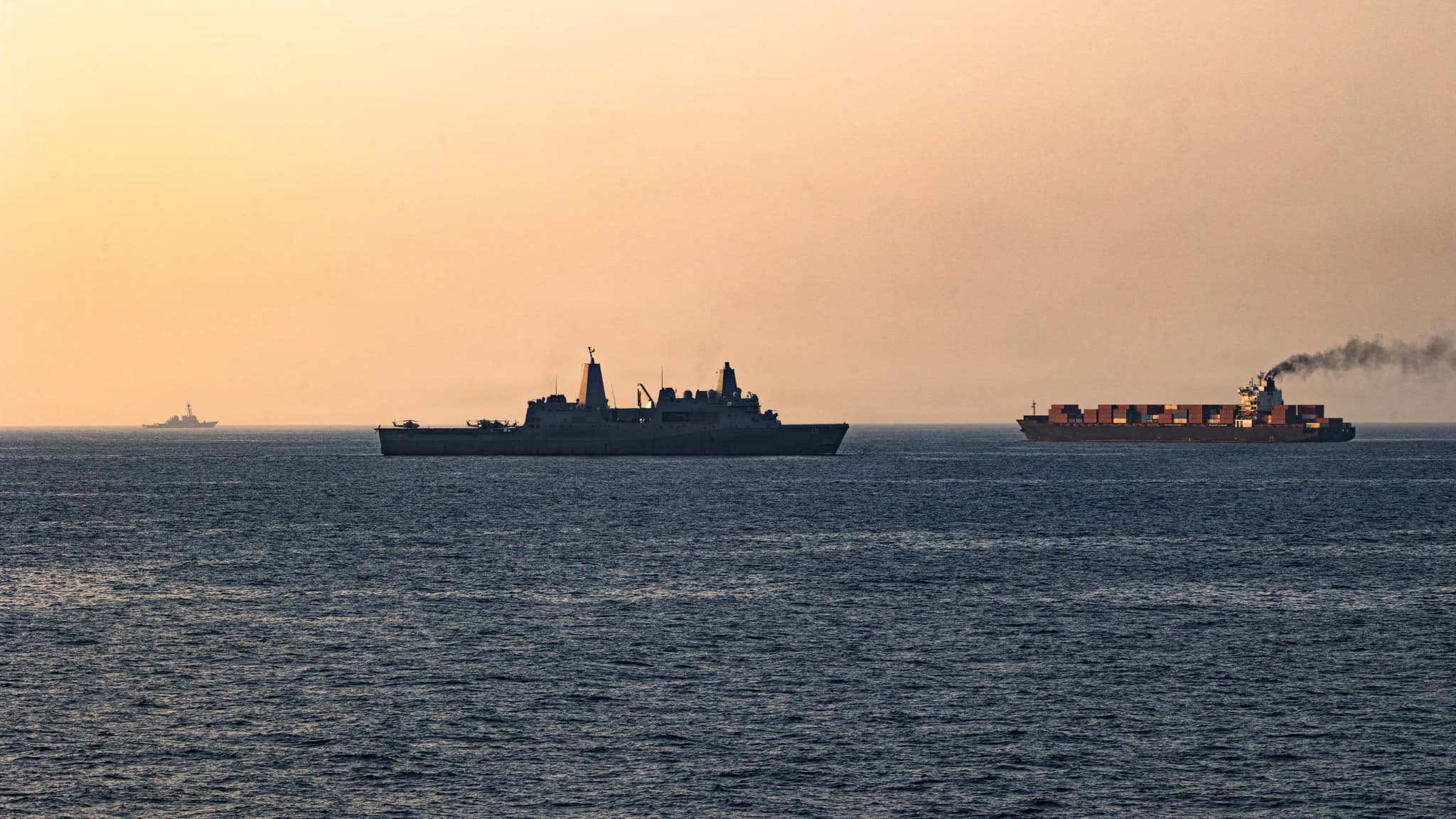
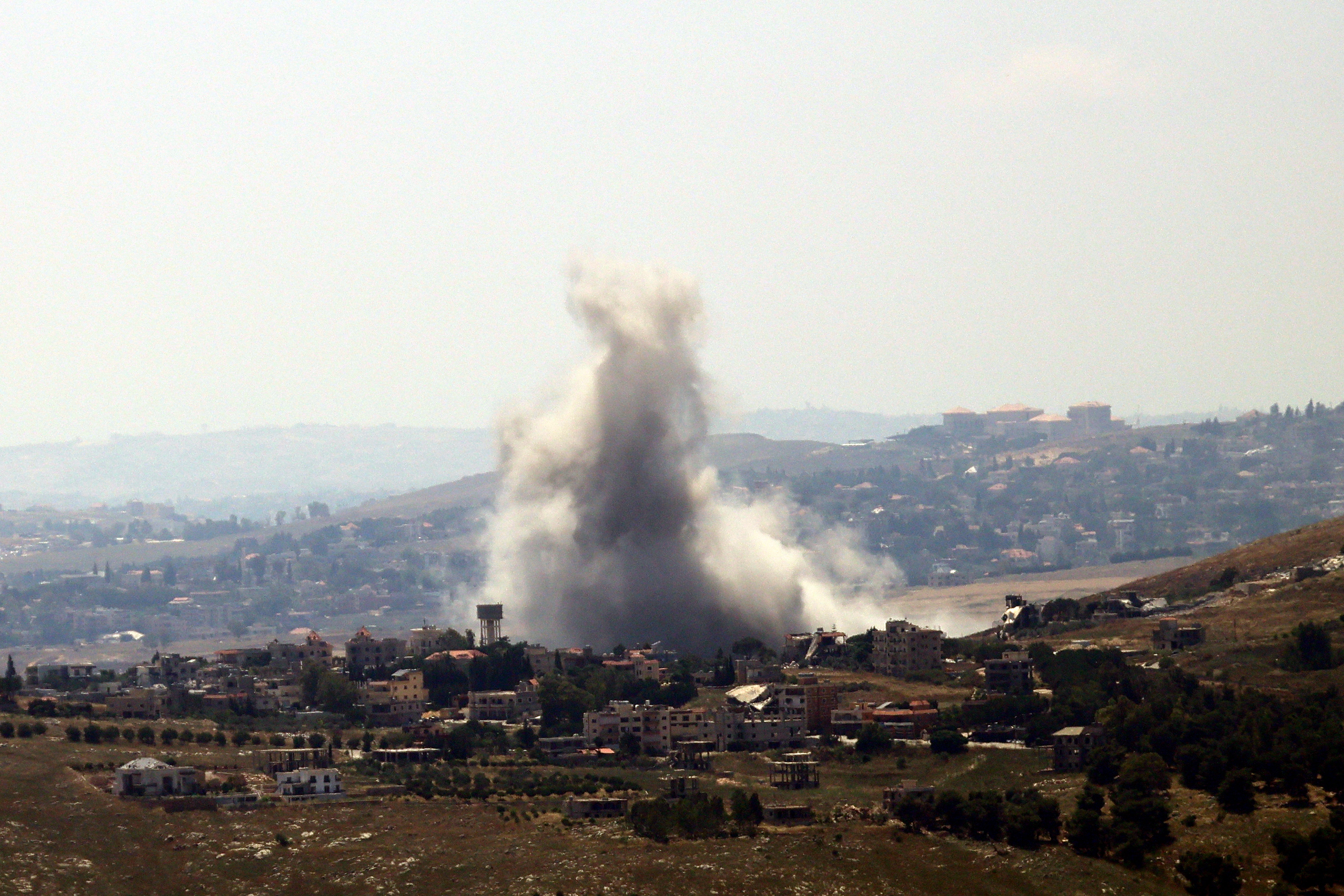
The control of the Strait of Hormuz by Iran has sidelined nearly 19 Mb/d. A decision that is paralyzing oil shipping routes. It plunges operators into an unprecedented crisis management. The analysis by Argus Media on this crisis redefines the fundamentals of maritime supply chain resilience.
The Strait of Hormuz contains approximately 19 million barrels per day (Mb/d) of crude oil and refined products. Its control paralyzes Iraqi exports from Basra, totaling 3.4 Mb/d, Iranian exports from the Kharg Island (1.6 Mb/d), and a large portion of Emirati and Kuwaiti flows. Asian refiners, who rely on the Gulf for most of their supply, find themselves without their usual supply. The situation described in the Argus Media report leaves no doubt about the current situation.
A risk of a single point of failure type
This shock reveals a well-known structural vulnerability for logisticians. They have concentrated their flows on a single point of passage. In terms of port risk management, this materializes as a global-scale risk of a “single point of failure”. To address the crisis, according to Argus Media, they are turning to alternative routes. However, putting pressure on these infrastructures with limited capacities leads to new congestions.
Iranian strikes on Yanbu
Thus, the Saudi East-West oil pipeline (Petroline, 7 Mb/d) to Yanbu, on the Red Sea, constitutes the main security valve. It has a capacity of 2.6 Mb/d. With the conflict, it now operates above its nominal capacity with approximately 4.8 Mb/d. But this infrastructure has now become a target. Indeed, the Samref refinery in Yanbu (400,000 b/d) was hit by Iranian strikes on March 18 and 19. On the other hand, the port of Fujairah perfectly illustrates the fragility of bypass solutions. Positioned outside the strait, on the Gulf of Oman, it is considered a strategic and secure hub. However, it is only 140 km from the Iranian coast. This situation exposes it to drone strikes. Its loading capacities decrease from 1.94 Mb/d to less than 1.2 Mb/d within three weeks. Argus Media projects that its bunkering volumes could drop to a tenth of its March level, according to Argus data. The port averages between 500,000 and 550,000 tons of bunkering per month.
The response of Asian refiners: urgent diversification of supplies
Asian buyers have embarked on a race to diversify their sources of supply. American WTI (composed of light Texas oil blend) has become the main safe haven. Japan has secured over 530,000 b/d for delivery in June. This doubles its previous record of imports from the United States. ExxonMobil Singapore is redirecting its Jurong refinery (592,000 b/d) to this product after years of absence. Thailand has also returned to this market. It is a step back as the country was absent since 2018. At the same time, production restrictions are increasing. Formosa Petrochemical (Taiwan) has reduced its margin rates by 60% at its Mailiao refinery. Japanese refining rates saw their largest weekly decline since May 2024. These operational adjustments reflect an unyielding logistic reality: substituting a 14 Mb/d flow cannot be guaranteed quickly or without massive additional costs.
The geographical challenge of the international response
The emergency release of 426 Mb by IEA members faces a logistical geography obstacle. Indeed, 28 of the 32 IEA members are located in the Atlantic basin. Freights overcapacity on east-west routes is constrained by high freight rates. Without destination clauses for this release mechanism, redirecting these barrels to Asia relies more on diplomacy than logistics. This crisis serves as a textbook case for any maritime logistics professional. It brutally reminds that the robustness of a supply corridor is not only measured by its nominal capacity but by its resilience to geopolitical shocks. It highlights the real availability of alternative routes and the ability of substitution ports to quickly increase their capacity. Planning for the continuity of port operations in a context of increasing geopolitical risks is no longer an option. It is becoming a strategic necessity.