BOLOGNA, Italy, April 1 (Reuters) – The conflict in the Middle East, which is affecting many sectors, is also impacting the supply chain of cosmetic products, with packaging and logistics costs soaring since the start of the Israeli-American offensive against Iran.
This issue was a hot topic at Cosmoprof, one of the largest professional trade fairs in the sector, held last week in Bologna, where 3,100 exhibitors from 68 countries showcased their products and innovations.
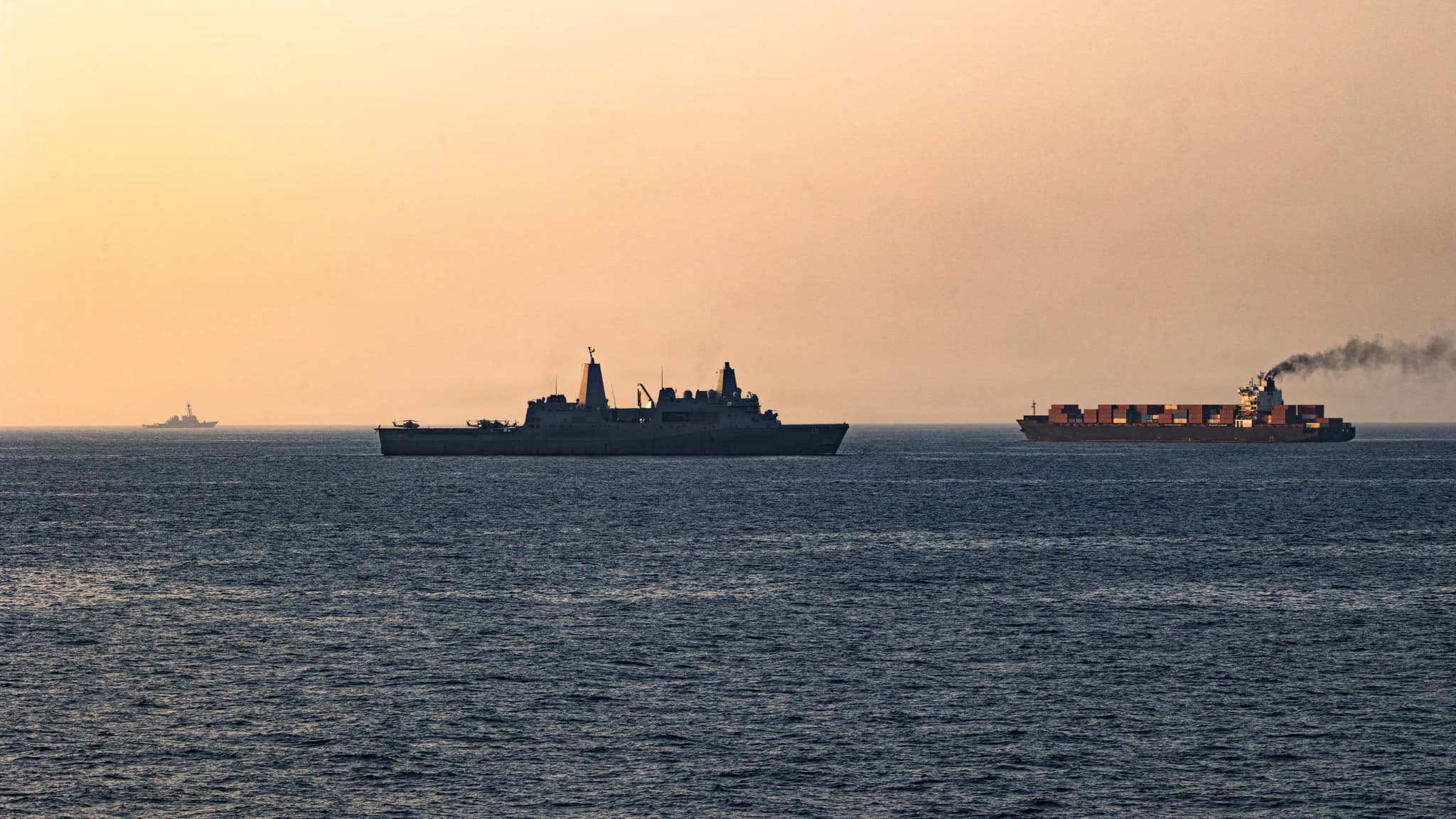
Five industry executives told Reuters they were concerned about the rising costs of raw materials and transportation, as oil prices surge and maritime transport is disrupted.
“We are starting to see cost increases related to energy price inflation, exacerbated by delivery delays,” said Simone Dominici, general manager of the Italian cosmetics group Kiko.
He estimates additional logistical costs of about 1.5 million euros for the group in 2026, compared to 2025.
Kiko, which sells lipsticks starting from 5 euros and mascaras starting from 7.5 euros, operates over 1,000 stores worldwide.
“With so many containers stuck in the Middle East, container availability is more limited…and goods are not being efficiently transported,” Simone Dominici noted, also mentioning the pressure from rising prices of certain chemical components and packaging.
As the Iranian crisis disrupts supply chains, Yonwoo Group, a manufacturer of containers for L’Oréal, said it was striving to secure plastic resin stocks to make pots used for skincare and cosmetics.
ALTERNATIVE SUPPLY CHAINS
Aside from cost increases, the sector could also face weakened consumer demand, as purchasing power is eroded by inflation, warned Simone Dominici.
Intercos and the private Ancorotti Group said they had not yet faced major supply shortages, but cited logistical cost increases, longer delivery times, and rising raw material prices as challenges.
“Delivery times have lengthened as routes have become longer and ports more congested. What used to take eight weeks may now take 12 to 14 weeks,” said Roberto Bottino, CEO of Ancorotti.
Some customers have turned to rail transport to reach Asia, the executive highlighted.
He said it was difficult to imagine that supply chain cost increases would not eventually be passed downstream.
“Customers in the Middle East value quality and are willing to pay a premium for added value; not being able to access these markets can therefore have a negative impact,” said Fabio Franchina, president of hair product manufacturer Framesi.
He mentioned that the company’s distributor in the region was exploring alternate delivery routes.
“They are considering […] (options such as) shipping to Jeddah and then road transport of goods instead of routing them through Persian Gulf ports,” he said.
Some goods are currently being shipped by air rather than sea, further driving up costs, he pointed out.
(Reporting by Elisa Anzolin; French version by Etienne Breban, editing by Sophie Louet)
by Elisa Anzolin