After a relatively stable price of gasoline per gallon throughout the year 2025, following Trump’s return to power, it dropped below 3 dollars in early December to reach 2.8 dollars by January 8.
- It was a major success for Trump, who had largely campaigned in late 2024 on the promise of better purchasing power.
In just one month, however, the price of gasoline jumped by 35% following the start of the war against Iran on February 28.
- It is the first time in over 4 years that the price of gasoline has surpassed the symbolic 4 dollars per gallon mark, according to data from the American Automobile Association (AAA) – which reveals significant regional disparities.
- In Western states (California, Nevada, Oregon, Washington, among others), where gasoline is more expensive due to higher taxes, environmental regulations, and the lack of refineries, the price is on average 32% higher than the national average (5.3 dollars per gallon).
The price of gasoline is a political issue for Trump as the midterm elections approach in November. Beyond just the perception of the cost of a tank of gas, a study by Stanford researchers indicates that every one-dollar increase in pump prices leads to a 4.5 point or more decrease in consumer confidence index, measured by the University of Michigan.
While the political cost of the war for Trump continues to escalate, Washington appears to have limited options.
- The deployment of an additional 7,000 American soldiers in the region could allow the White House to conduct limited operations in the Strait of Hormuz and on Iranian coasts.
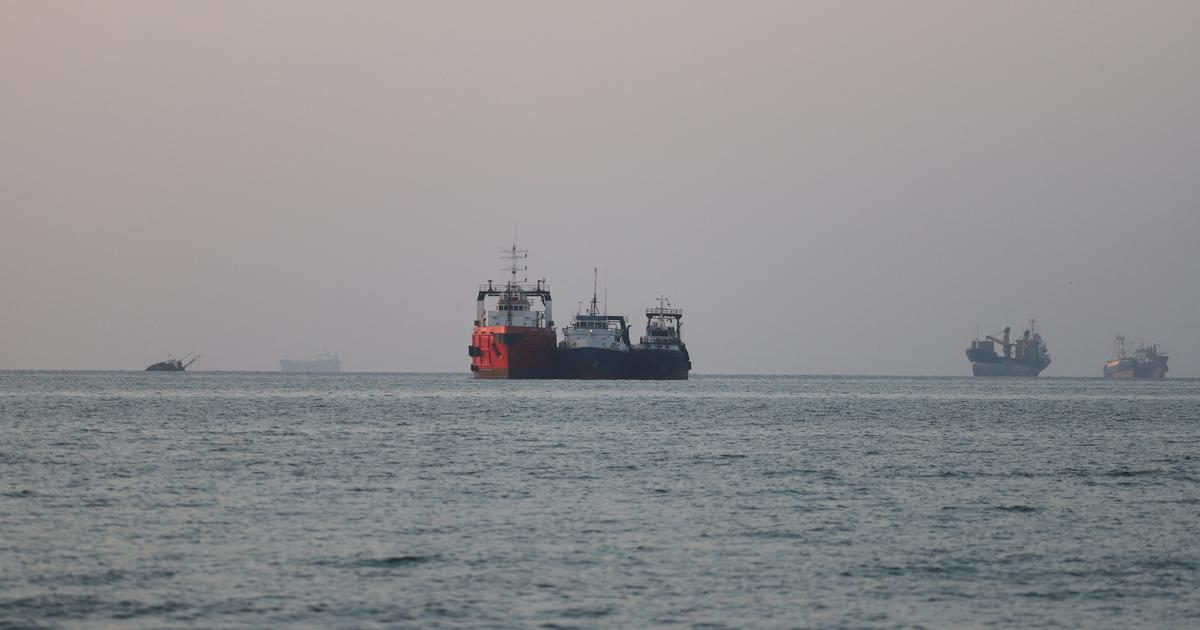
- Despite a massive aerial campaign, the Revolutionary Guards retain sufficient retaliatory capacity to deter ship owners from attempting to pass through the Strait of Hormuz without prior agreement with Iranian authorities.
- Implementing escorts by military ships would require additional resources that could take several weeks or even months to be deployed in the region. The associated costs of such an operation would also be very high.
If the war against Iran and its impact on the American economy does not seem to have sparked massive opposition within Republican ranks, more than the majority of Americans (53.5%) approve of Trump’s war, according to polling data compiled by analyst Nate Silver.
- The status quo appears to favor Iran, which now exerts de facto control over the Strait of Hormuz, which it did not enjoy before.
- Yesterday, Monday, March 30, the Iranian Parliament approved a toll collection project for ships transiting through the strait.
- At the same time, Tehran is raking in hundreds of millions of dollars in additional revenue from its oil sales, benefiting from the surge in prices and its new status as the region’s primary exporter.
According to American sources, Trump reportedly declared yesterday, Monday, the 30th, that he is ready to end the military campaign against Iran, even if the Strait of Hormuz remains largely closed.