
The White House indicated on Monday that Donald Trump was in favor, at least in principle, of Arab countries participating in the war against Iran. Responding to a question about sharing the costs with Arab states during a press conference, spokesperson Karoline Leavitt said it was “something the president would be interested in doing,” without announcing a specific mechanism or naming any countries.
This development is important as it signifies a shift from the debate towards the political and strategic financing of the conflict. According to reports from the press conference, Karoline Leavitt did not confirm that a formal request had been made to Arab capitals, but hinted that Donald Trump could publicly revisit this topic. Therefore, the idea remains, at this stage, as an option being considered by the U.S. presidency.
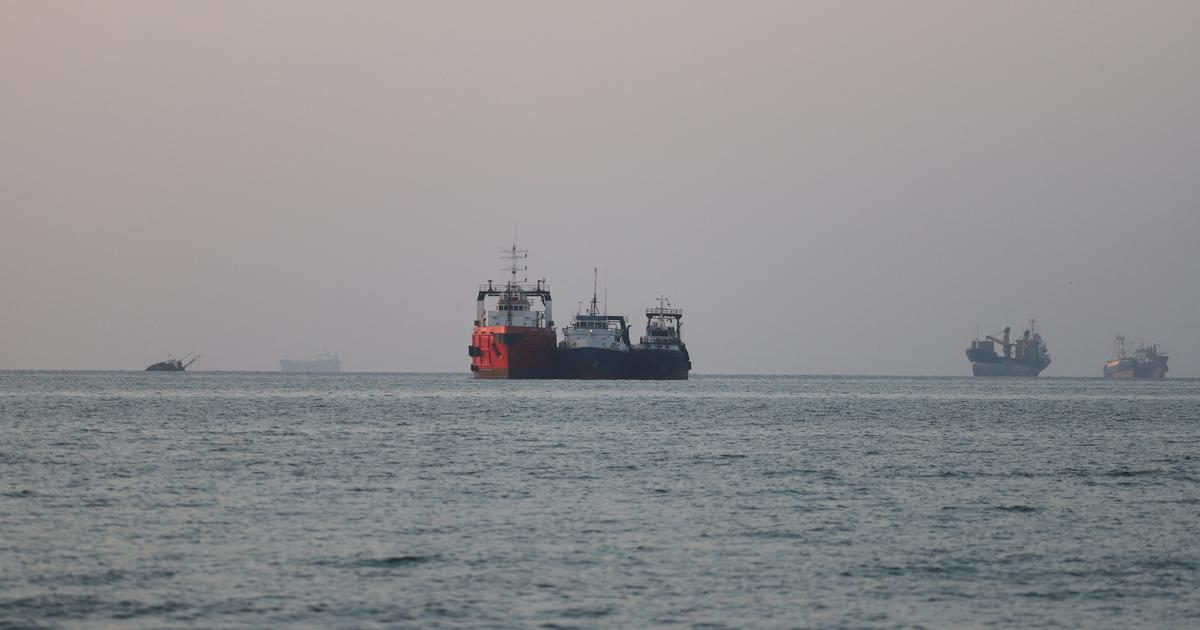
This stance comes as the Trump administration continues to mix diplomatic overtures with military threats against Tehran. On the same day, Donald Trump stated that “serious discussions” were ongoing with a “new regime” in Iran that is more “reasonable,” while also threatening to strike Iranian energy infrastructure massively if no agreement is reached quickly and if the Strait of Hormuz is not reopened.
The question of Arab contribution also recalls a well-known historical precedent in Washington: the Gulf War of 1990-1991, where a significant portion of the cost was offset by regional allies, including Kuwait, Saudi Arabia, and the United Arab Emirates. This reminder served as a pivot point for the question posed to Karoline Leavitt during the briefing, according to the Wall Street Journal.
At this point, no public commitment from Arab countries has been announced. The positions of Gulf monarchies remain complex: several regional U.S. partners support a tough line against Iran but also worry about the economic, security, and energy consequences of an extended war. Recent information indicates that Saudi Arabia and the United Arab Emirates are urging Washington not to rush into an agreement with Tehran too quickly, while remaining vigilant about the risk of escalation in the Gulf.
In the immediate future, the White House statement adds a new dimension to the Iranian issue: after diplomacy, threats to the Strait of Hormuz, and ultimatums on oil infrastructure, the financing question of the war now enters the American public debate. It remains to be seen whether Donald Trump will turn this idea into a concrete demand addressed to Arab capitals, or if it is currently a political signal sent in the context of maximum pressure on Tehran.

:fill(black)/2026/06/11/6a2ae1d75b00c920086029.jpg "Coupe du monde : immersion dans le quartier général des Bleus, aux États-Unis")


